Investing in One Piece cards: what holds value, what collapses
Investing in One Piece cards: which Japanese cards hold their value, which ones drop, and how to limit the risk before you buy.
Published on November 13, 20268 min read
Key points
- Investing in One Piece cards is collecting, not a financial investment: a card pays no return and its value depends entirely on demand when you sell.
- The One Piece cards that hold value best combine high rarity (SEC, parallel, manga rare, SP), a central character such as Luffy or Shanks, and A condition.
- One Piece cards whose value rests on release hype or on the competitive meta alone are the most exposed to price drops.
- To limit the risk, set a budget you can afford to lose, avoid buying at the release peak, and protect every card in a sleeve and a rigid frame as soon as it arrives.
You keep seeing One Piece cards resold far above their original price and Japanese booster boxes selling out within hours, and you wonder whether buying cards could become an investment. Maybe you already own a few great cards and want to know which ones to keep, or you are thinking about putting more serious money into the game. It is a fair question, and it deserves an honest answer, without hype or doom.
Our answer is clear: investing in One Piece cards is possible, but it is a collectors' market, not a financial product. What holds up over time are rare Japanese cards of strong characters, in excellent condition and carefully stored. What collapses are cards carried only by release hype or by the competitive meta. Here are the criteria to tell them apart, and the share of risk you have to accept.
In this article
- 1. Are One Piece cards a good investment?
- 2. Which Japanese cards hold their value best?
- 3. What makes a card's value collapse?
- 4. Sealed box or single card: which format keeps value better?
- 5. How do you protect a card to preserve its value?
- 6. How much should you spend, and how do you limit the risk?
- 7. Why is collecting first still the best strategy?
Are One Piece cards a good investment?
Within a few years, the One Piece Card Game has become one of the major trading card games, driven by one of the most popular franchises in the world. That popularity creates real demand for certain cards, especially Japanese ones, since sets release in Japan first. This is what explains the spectacular price jumps you see online. But strong demand today guarantees nothing for tomorrow.
A card has no yield: it pays nothing, and its value depends only on what another collector is willing to pay on the day you decide to sell. Between purchase and resale you also have to account for shipping, possible fees on resale platforms, and the often underestimated gap between an asking price and the price you actually get. A gain on paper is not a gain in your pocket.
The right mindset is that of an informed collector: buy cards you like, at a fair price, knowing they may rise, stay flat or fall. If a card appreciates, great. If it drops, you still own a piece you enjoy and display. That double reading, enjoyment first and value second, is what really protects your budget.
Which Japanese cards hold their value best?
Cards that stand the test of time usually combine several qualities. The first is rarity: Secret Rares (SEC), parallel or alternate art cards, manga rares and SPs are printed in far smaller numbers than C, UC or R cards. High rarity alone is not enough, but it is the foundation of any card that keeps its price.
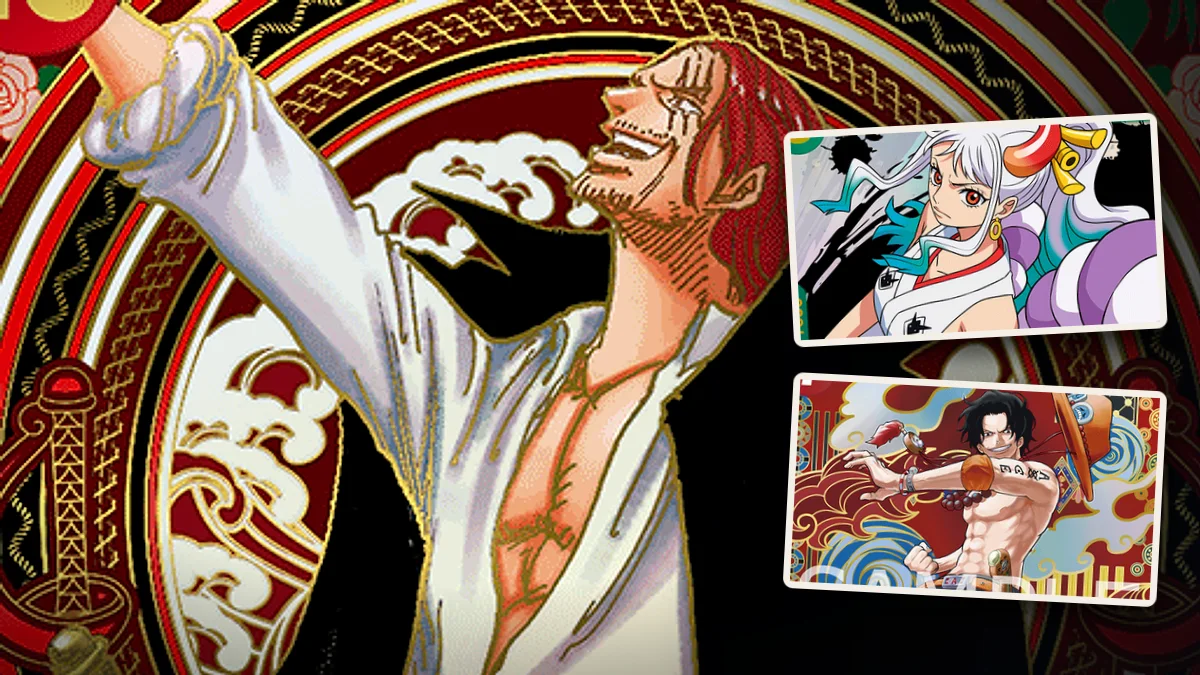
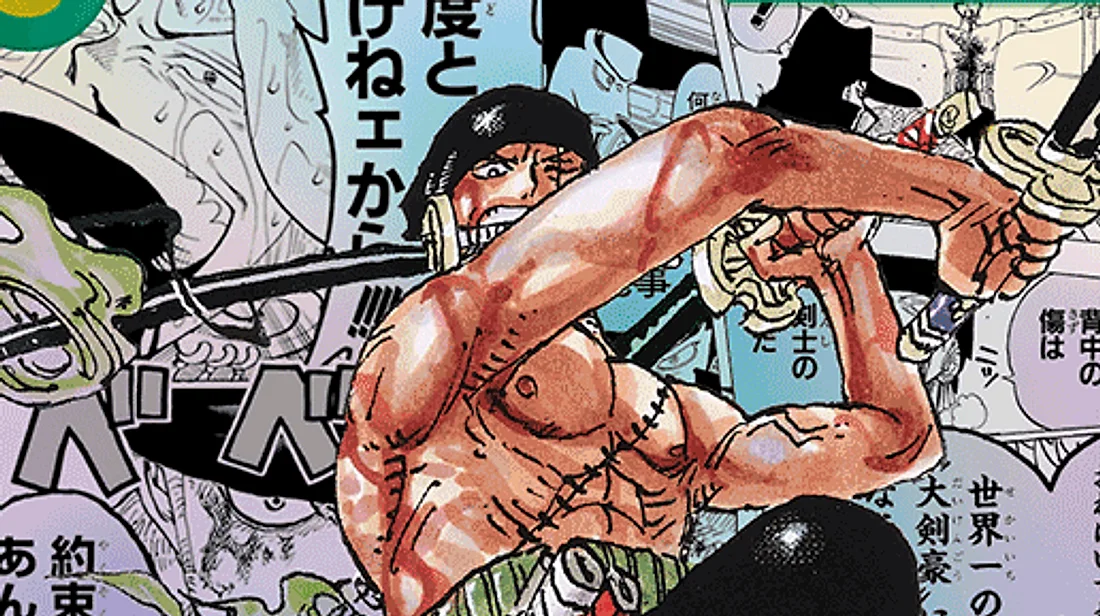
The second quality is the character. Luffy, Shanks, Ace, Zoro, Nami, Whitebeard or Yamato draw collector demand that reaches well beyond players. A striking illustration of a beloved character keeps its audience even when the card is no longer played in tournaments. A rare of a minor character, by contrast, depends much more on its usefulness in play, and therefore on the meta.
The third quality is condition. Japanese cards are valued for their print quality, and a card in A condition finds a buyer far more easily than a marked one. Add a fourth, often forgotten quality: availability. A promo handed out at an event, or a card from one of the earliest sets, does not come back to shops in identical form, which supports its rarity over time.
- High rarity: SEC, parallel, manga rare, SP
- Central character and striking artwork
- A condition, no whitened corners or scratches
- Limited availability: event promo, early set
- Demand from collectors, not only players
What makes a card's value collapse?
The first trap is release hype. In the days after a set launches, chase cards often trade at their highest, because supply is still thin and excitement is high. Over the following weeks, boxes get opened, cards flood the market and prices frequently come down. Buying at the release peak means accepting a likely loss from day one.
The second trap is the meta. A card whose value comes only from its tournament strength is exposed to every new set and every ban or restriction list published by Bandai. A card everyone plays can lose most of its demand when a better tool appears, or when the leader that made it essential stops being competitive.
The third trap is supply: a reprint, a new alternate version of the same character or a product that reuses existing cards can pull demand away. Finally, condition ruins a card more surely than anything else. A whitened corner, a scratch or careless handling drops a card from A to B, and its price follows.
| Criterion | Tends to hold | Tends to collapse |
|---|---|---|
| Rarity | SEC, parallel, manga rare, SP | C, UC, R printed in large numbers |
| Character | Central figure, striking artwork | Minor character with little attachment |
| Source of demand | Collectors and players | Meta only, exposed to bans |
| Condition | A, protected from opening | B or C, whitened corners, scratches |
| Availability | Event promo, early set | Reprint, new version of the same character |
| Timing | After the release hype fades | At the peak of release hype |
Sealed box or single card: which format keeps value better?

Two approaches coexist. The first is keeping sealed Japanese booster boxes: a box holds 24 packs of 6 cards, and once a set is out of print, an intact box becomes harder to find. This takes patience, space and real discipline, because a box only matters if it stays closed, with its wrapping and packaging in perfect shape.
The second is buying the exact card you want as a single. You pay for one specific card, you choose its condition, and you skip the luck of the draw, where you can open a whole box without pulling the parallel you hoped for. For a collector who knows what they want, it is often the most direct and controlled way to build a coherent set.
Each has its risks: sealed product can stagnate for a long time if the set was widely printed, and a single card depends on demand for one character. Many collectors combine both, with a box for the joy of opening or keeping it and a few carefully chosen singles. Our Japanese cards are sold precisely as singles, with the condition stated by the Japanese shop.
How do you protect a card to preserve its value?
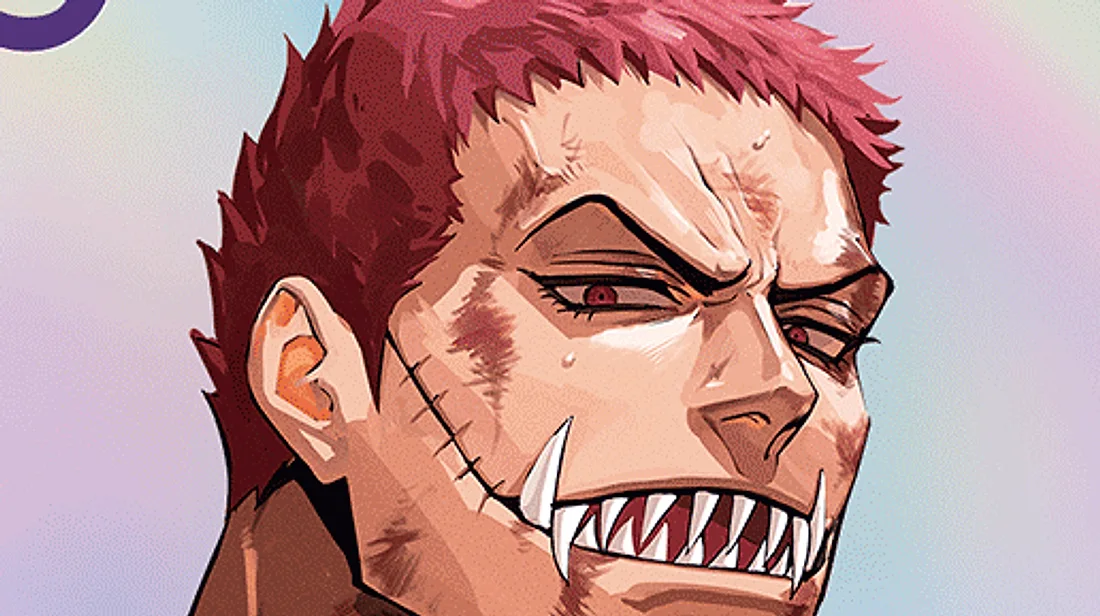
A card only keeps its value if it stays in the condition it arrived in. The basic step is immediate: slide the card into a sleeve as soon as it arrives, without laying it flat on a table or handling it bare-handed more than needed. Dust, humidity and friction are the silent enemies of a collection, and their damage cannot be undone.
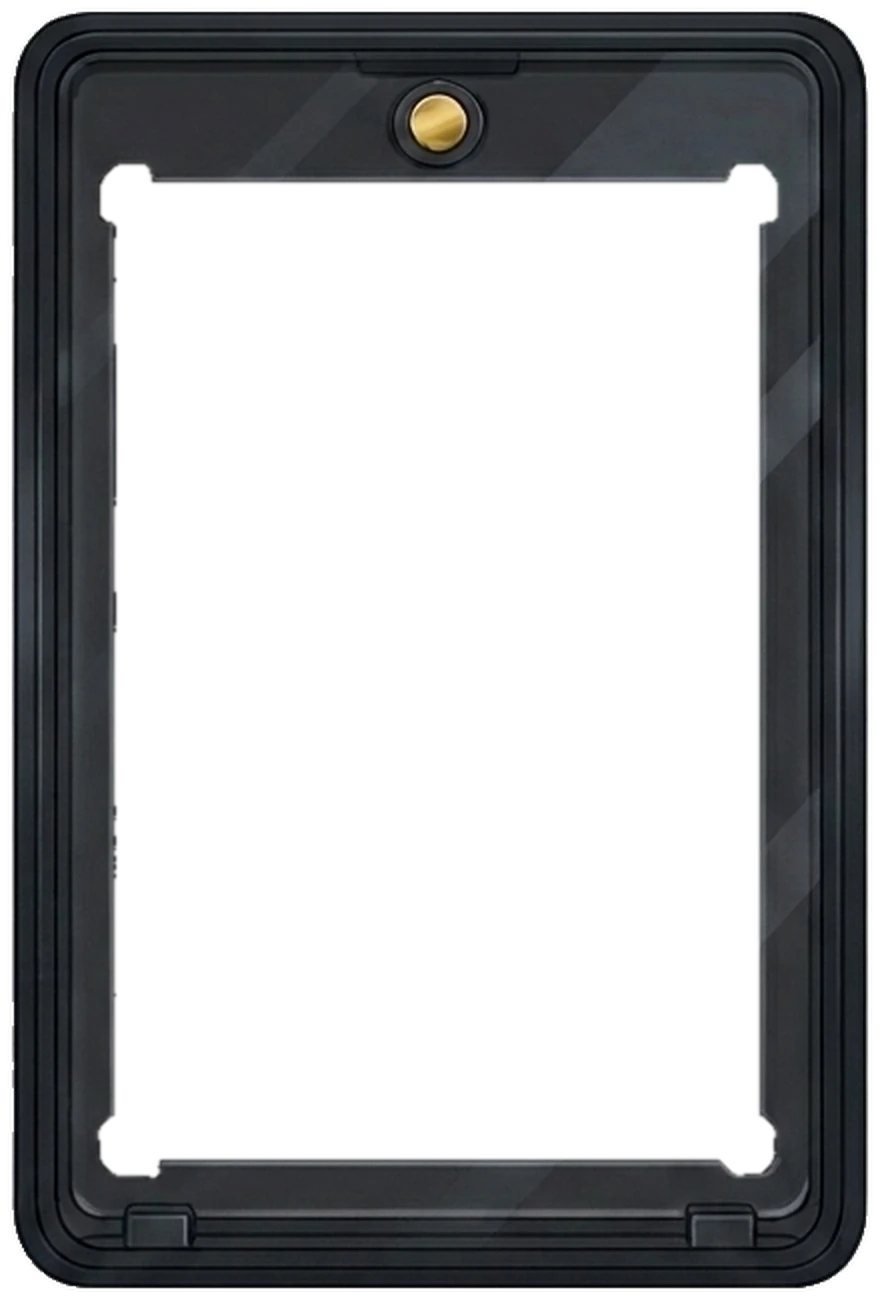
Next, the sleeved card benefits from a rigid holder. A magnetic one-touch frame protects it from knocks and bends while keeping it visible. Our aluminium frame with double glazing, in black or white, costs €24.80 each, with buy 2 get the 3rd free, and a PSA slab compatible version is available at €34.80 for graded cards (frame sold empty).
Finally, think about where you store it: away from direct sunlight, which can fade colours, and away from heat or damp. The frames snap together face to back to stack, stand upright like books, or attach to the wall with an adhesive magnetic strip, no drilling needed. A well stored collection is also one you can resell without unpleasant surprises.
How much should you spend, and how do you limit the risk?
There is no universal right amount, but there is a simple rule: only spend money you would spend on a hobby anyway. If losing that whole sum would put you in difficulty, it does not belong in cards. Set a monthly or yearly ceiling and stick to it, even when a new release is tempting you.
Then diversify sensibly: several characters, several sets, several rarity types rather than one expensive card that concentrates all the risk. Watch a card's price for several weeks before buying, so you know whether you are at a peak or a dip. And log every purchase, shipping included, so you know where you really stand.
Lastly, remember that reselling takes time and costs money. You need to find a buyer, ship carefully and sometimes accept a lower offer than planned. A card is not available like savings: if you know you will need your money back in the short term, a card is simply the wrong vehicle.
- Set a ceiling you can lose without difficulty
- Track a card's price for several weeks before buying
- Avoid buying at the release peak
- Favour rarity, a strong character and A condition
- Protect every card as soon as it arrives
- Keep a record of purchases, fees included
Why is collecting first still the best strategy?
The collectors who ride out market highs and lows best are often those who buy out of taste. They target a character, an arc or an art style they love, look for the finest Japanese versions and take the time to wait for the right price. Their collection makes sense, which makes it easier to value, and to resell when the day comes.
A coherent collection also has value as a whole: a run of cards of the same character, all in A condition and well presented, attracts more interest than a random lot. Meanwhile, your cards are not sleeping in a box: they decorate a wall, a shelf or a desk. That is a kind of satisfaction no price chart measures.
This strategy does not rule out good deals, quite the opposite. By buying after the hype fades, targeting lasting rarities and protecting every card, you put the odds on your side. But you do it without depending on a rise that may never come, and that changes everything about how you live your collection.
Our verdict: investing in One Piece cards makes sense if you approach it as a demanding collector, not a hurried investor. Target rare Japanese cards of strong characters, bought outside the release peak, in A condition and protected on arrival, and be wary of cards carried by the meta alone. Your next concrete step: pick a character you love, compare their rare versions among our Japanese single cards, and set a budget you could lose without regret.
Frequently asked questions
Which One Piece card gains the most value?
No card has a guaranteed value. The ones that hold up best usually combine high rarity (SEC, parallel, manga rare), a central character and perfect condition. Cards whose value rests only on tournament use are much more fragile.
Is it better to keep a sealed box or buy single cards?
A sealed box needs patience and flawless condition, and how it evolves depends on how much was printed. Singles let you target exactly what you want, with no luck involved. Many collectors combine both depending on their budget.
Are Japanese One Piece cards worth more than English ones?
There is no fixed rule: it depends on the card and the timing. Japanese cards are valued for their print quality and because sets release in Japan first. Always compare the specific card, in its exact version and condition.
Should I grade my One Piece cards to resell them for more?
Grading can reassure a buyer about the condition of a valuable card, but it costs money and takes time. It only makes sense for rare cards in flawless condition. A graded card then keeps very well in a PSA slab compatible frame.
Read next
 Value and investing
Insuring a card collection: protect and cover your valuable One Piece cards
November 13, 20267 min read
Home insurance, scheduled valuables, inventory and protection: the method to insure a trading card collection without nasty surprises.
 Value and investing
One Piece anniversary card value: lasting collectible or passing trend?
November 13, 20267 min read
One Piece anniversary cards: what keeps their value, what is just hype, and how to buy the Japanese version at the right moment.
 Value and investing
One Piece card ex leader value: rarity and worth of parallel leaders
November 13, 20267 min read
Parallel One Piece leaders: what really drives their value, how to check the version and which condition to target before buying Japanese.