Grading a One Piece card: when it's worth it and when it's pointless
Grading a Japanese One Piece card only makes sense for a rare card in near-mint condition. Criteria, hidden costs, preparation and alternatives.
Published on November 13, 20267 min read

Key points
- Grading a One Piece card means having a company such as PSA, BGS or CGC authenticate it, score its condition (centering, corners, edges, surface) and seal it in a hard case called a slab.
- Grading is only worth it for a sought-after card (SEC, SP, manga rare, parallel, scarce promo) in flawless condition, with a clear plan such as resale or a centrepiece for your collection.
- For common cards, cards in A- or B condition, or cards you play in tournaments, grading often costs more than it returns and can lock visible flaws onto the label.
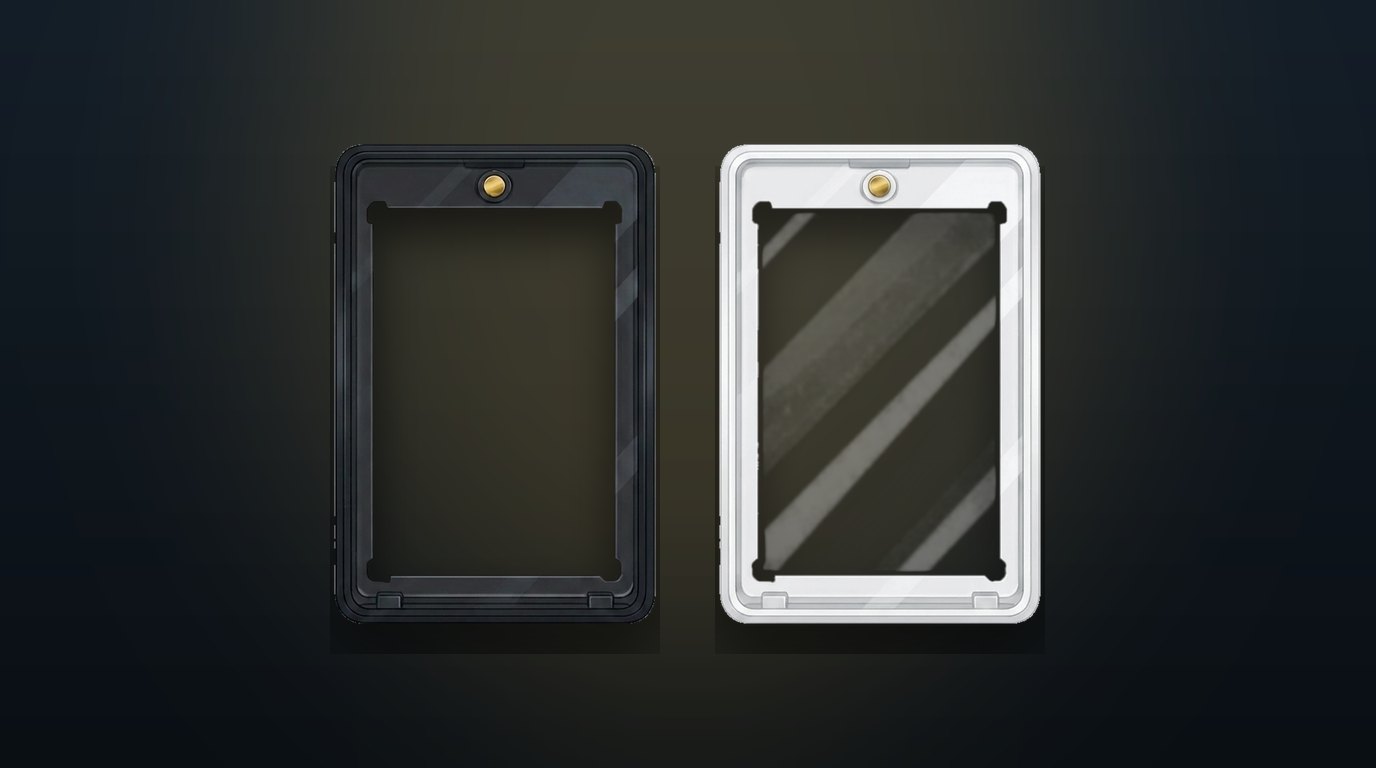
- A Japanese card is graded exactly like an English one, and most collection cards are protected just as well by a sleeve and a rigid frame, with no grading fees.
You have just received a beautiful Japanese card, an SEC, a parallel or a manga rare, and one question keeps coming back: should you get it graded? Grading a One Piece card means sending it to a specialist company that authenticates it, scores its condition on a numbered scale and seals it in a rigid case, the slab. Graded cards seem to be everywhere on social media, so it is easy to believe every rare card should go through the process.
Our answer is clear: grading is only worth it when three conditions are met at the same time, a sought-after card, flawless condition and a clear plan (resale, centrepiece, passing it on). In every other case it is money you will not get back, and good protection is enough. Here is how to decide card by card, prepare a submission from Europe and display the result.
In this article
Frequently asked questions
How long does it take to get a One Piece card graded?
It depends on the company and the service level you choose. In general, expect several weeks, sometimes several months during busy periods. Add the return shipping time from Europe.
Is a Japanese card graded differently from an English card?
No. Grading companies assess the same physical criteria, centering, corners, edges and surface, whatever the language. The Japanese version is simply noted on the label.
Is a graded card always worth more than a raw card?
No. A high grade can raise the value of a sought-after card, but an average grade officially displays its flaws and can make it less attractive than a nice raw copy. On a common card, grading costs often exceed any possible gain.
Can you take a card out of its slab?
Yes, but you have to break the case, and the card then loses its grade and certificate. If you simply want to display it, place the whole slab in a compatible frame instead of opening it.