
OP15 One Piece: the cards worth knowing and how to get them
Published on November 13, 2026 · 6 min read

Key points
- In the OP15 set of the One Piece Card Game, collector interest centres on the SEC cards, parallel leaders, parallel SRs of popular characters and any SP cards.
- To get a specific OP15 card, buying the Japanese single is more predictable than opening boosters: a Japanese display of 24 boosters with 6 cards each guarantees no particular card.
- Prices of the most visible OP15 cards are often at their highest in the first weeks after release, then settle as supply grows.
- For an OP15 card meant for display, condition A or A- is the right choice, because the difference with a B condition card is clearly visible behind glass.
You have seen OP15 among the Japanese releases and you are wondering which cards truly deserve your attention, and above all how to get them without sinking your budget into boosters. It is the question most collectors ask with every new set: should you open packs, wait, or buy the card you want directly?
Our answer is clear. In OP15, as in previous sets, the cards that matter can be spotted with three simple criteria (rarity, artwork treatment, character), and for one specific card, buying the Japanese single is almost always the safest route. A display makes sense for the joy of opening or to keep a sealed product, not to hunt a single card. Here is the full method, from reading the card list to putting your card on display.
What is in OP15 and how do you read its card list?
OP15 is a main set in the OP series, numbered like the others: each card carries a code such as OP15-001, along with its rarity. As in every Japanese set, you will find the classic rarities of the game: commons (C), uncommons (UC), rares (R), super rares (SR), secret rares (SEC) and leaders (L), plus parallel versions with alternative artwork, and sometimes SP cards or other special treatments depending on the set.
Before buying anything, take the time to check the official card list published by the publisher. It tells you which characters appear, which leaders open new strategies and which cards exist as parallels. It is your roadmap: without it, you end up buying whatever happens to be trending on social media.
Keep one principle in mind: the number does not make the value. What matters is the combination of rarity, visual treatment and demand for the character. The same card can exist as a regular and a parallel version, with very different collecting appeal.
Which OP15 cards should you look at first?
In every set, a small share of the cards carries most of the collector interest, and OP15 is no exception. Rather than following rumours, use a fixed checklist: it stops you from overpaying for a card whose hype will fade within a few weeks.
The character weighs as much as the rarity. A parallel of a central character in the saga attracts far more buyers than a parallel of a supporting role, even at equal rarity. Always cross both pieces of information before deciding, and be wary of cards whose only quality is being new.
- SEC cards and their parallels: the highest rarity in a main set, usually the most watched.
- Parallel leaders: sought after by collectors and players alike, since a leader defines a deck.
- Parallel SRs of popular characters: often the best balance between visual appeal and price.
- SP cards or special treatments, if the set includes them: check the official list, their rare pull rate sets them apart.
- Cards played competitively: demand also comes from players, which supports the price as long as they stay in use.
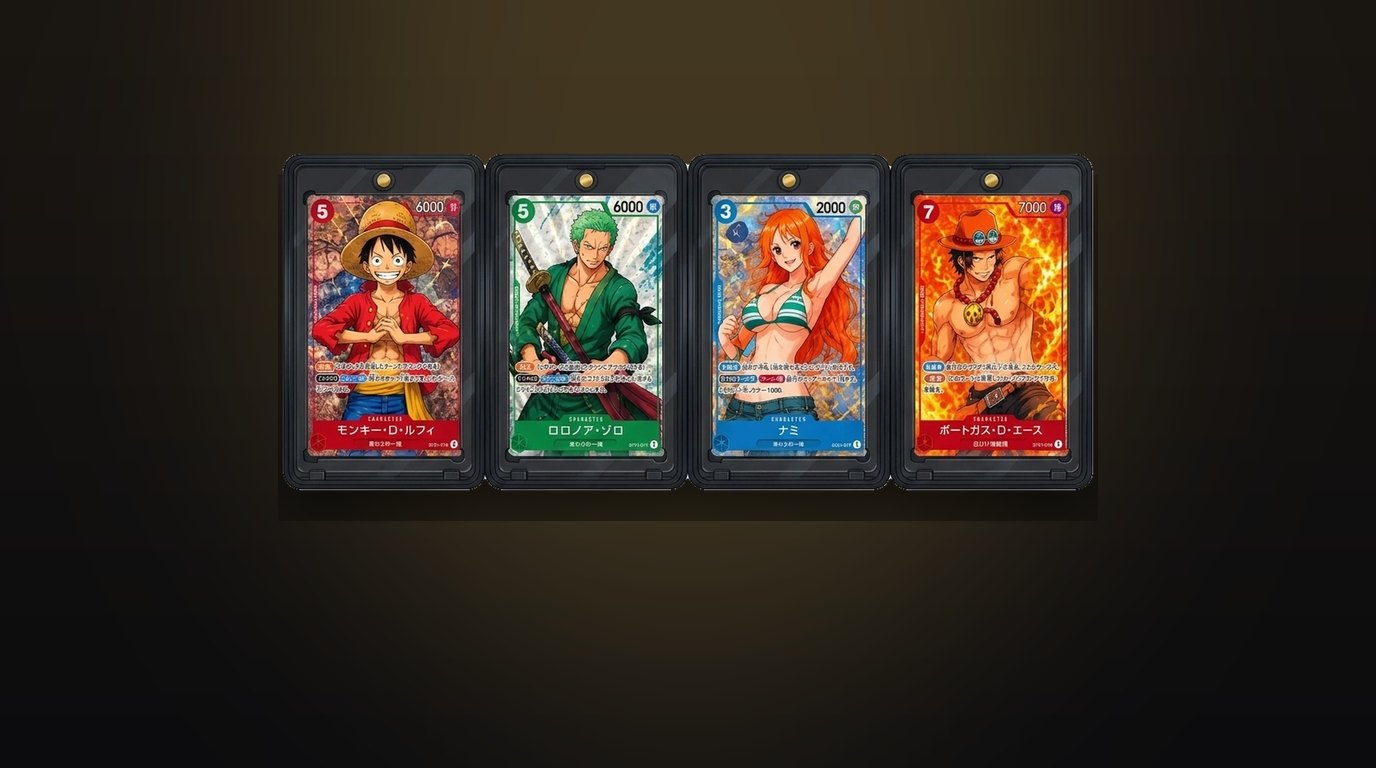
Regular, parallel or SP: which version should you target?
This question comes back with every set, and the answer depends on your goal. To play, the regular version is enough: its effect is exactly the same. To collect or display, the parallel changes everything, because its alternative or extended artwork makes it a visual piece in its own right.
The table below sums up the criteria that matter. It gives no prices, since they move quickly after release: it helps you match each version to your use.
If you are torn between a parallel SR and a regular SEC, look at the artwork rather than the rarity: that is what you will see every day in your frame.
| Version | For playing | For collecting | Price after release |
|---|---|---|---|
| Regular (C to SR) | Yes, same effect | Low, unless the character is in high demand | Usually stable or falling |
| Leader (L) | Yes, core of the deck | Medium | Depends on tournament use |
| Parallel (SR, L) | Yes | High | Often high at release, then calmer |
| SEC and parallel SEC | Depends on the card | Very high | Volatile in the first weeks |
| SP or special treatment | Depends on the card | Very high, rare pull | Worth watching, limited supply |
Boosters, display or single card: how do you get the card you want?
A Japanese display holds 24 boosters of 6 cards. That is a lot of cards, but there is no guarantee of pulling a specific SEC, let alone a particular parallel. Opening boosters to chase one card means paying for dozens of cards you were not looking for.
Buying singles flips the logic: you pay for the card you want, in the condition you choose, and nothing else. With our Japanese cards, every card shown is genuinely for sale in Japan and bought to order, with a stated condition. For one or two key OP15 pieces, it is the most economical and predictable route.
A display still makes sense if you love opening packs, want to cover a large part of the set, or wish to keep a sealed product. On OPCG.Shop, Japanese displays and pre-orders follow this logic, with shipping at €6.90, free from €199.
Should you buy an OP15 card at release or wait?
The first weeks of a set are the most hectic. Supply is still limited, excitement peaks, and prices of the most visible cards are often at their highest. Then, as displays are opened in Japan, more copies reach the market and prices of ordinary cards settle.
This pattern is not a law. A card heavily played in competition can rise after release, and a parallel of a flagship character can hold firm. But for a pure collection card, waiting for the market to settle is usually more comfortable than buying at the peak.
The right method: at release, write down the two or three cards that interest you, follow their prices over a few weeks, then buy once they stop swinging sharply. Since sets come out in Japan first, buying Japanese also gives you a head start.
Which condition should you choose for a Japanese OP15 card?
With a recent set like OP15, most cards circulate in very good condition, since they have only just come out of boosters. That does not excuse you from reading the condition stated by the Japanese shop: it determines how the card looks in a frame and how well it resells.
For key OP15 pieces, aim for A or A-. On a recent set, the price gap with a B card is often modest, while the difference is clearly visible behind glass. Keep B and C conditions for deck cards.
- A (near mint): the choice for a SEC, a parallel or any card meant for display.
- A- (very good): a sound compromise for a collection card, minimal flaws.
- B (good, visible wear): acceptable for a deck card or a tight budget.
- C (fair): for play only, or a card you cannot find otherwise.

How do you protect and display your OP15 cards?
A parallel or a SEC deserves better than a forgotten binder. The first step is simple: a sleeve as soon as it arrives, to prevent scratches and dust. After that, everything depends on use: storage, transport or display.
For display, our aluminium one-touch magnetic frame with double glass, in black or white, costs €24.80 each, with the third one free when you buy two. The frames snap together front to back to stack, stand upright like books, and fix side by side on the wall with the adhesive magnetic strip, no drilling needed.
Cards and frames share the same shipping: €4.20, free from €30, paid only once per order. Grouping your OP15 card and its frame in one order is therefore the most sensible choice.
- Sleeve the card as soon as it arrives.
- Slide it into the frame, glass clean, without forcing.
- Store frames upright or stack them front to back.
- Display away from direct sunlight, on a shelf or on the wall.
For OP15, the verdict is simple: spot the SEC cards, parallel leaders and parallels of strong characters using the official list, let the release peak pass, then buy the card you want as a single, in condition A or A-. Keep the display for the pleasure of opening or for sealed collecting. Your next concrete step: list your two or three favourite OP15 cards, compare their versions among our Japanese cards, and plan the frame that will show them off.
Frequently asked questions
What are the rarest cards in OP15?
The highest rarities in OP15 are the SEC cards, their parallel versions and, if the set includes them, SP cards or special treatments. Parallel leaders and parallel SRs round out the top of the list. Always check the full code and rarity on the official list.
How many cards are in a Japanese OP15 display?
A Japanese display contains 24 boosters of 6 cards, so 144 cards. That volume guarantees no specific SEC or parallel. For a particular card, buying the single remains the safer option.
Should I get OP15 in Japanese or English?
Sets come out in Japan first, which gives earlier access to OP15 cards. Japanese cards are also highly appreciated by collectors. If you play in tournaments, simply check the event rules.
How much is shipping for an OP15 card?
For cards and frames, delivery costs €4.20 and is free from €30. Shipping is paid only once per order, so you can group a card and a frame at no extra cost.
Read next

Sets and releases
One Piece Card Game Japan release schedule: how to read it and plan ahead
One Piece Card Game Japan release schedule: how to read it, how far ahead of Europe Japan runs, when to preorder and what reprints change.
November 13, 2026

Sets and releases
EB01 Memorial Collection: the cards that matter and how to buy them
EB01 Memorial Collection: what makes this set different, which rarities to target and why buying singles is usually the smartest move.
November 13, 2026

Sets and releases
EB02 One Piece: the most wanted cards and how to buy them right
EB02 One Piece: which Japanese cards to target (SEC, parallels, SP), how to identify them, and why buying singles is usually the safest route.
November 13, 2026