
EB02 One Piece: the most wanted cards and how to buy them right
Published on November 13, 2026 · 7 min read
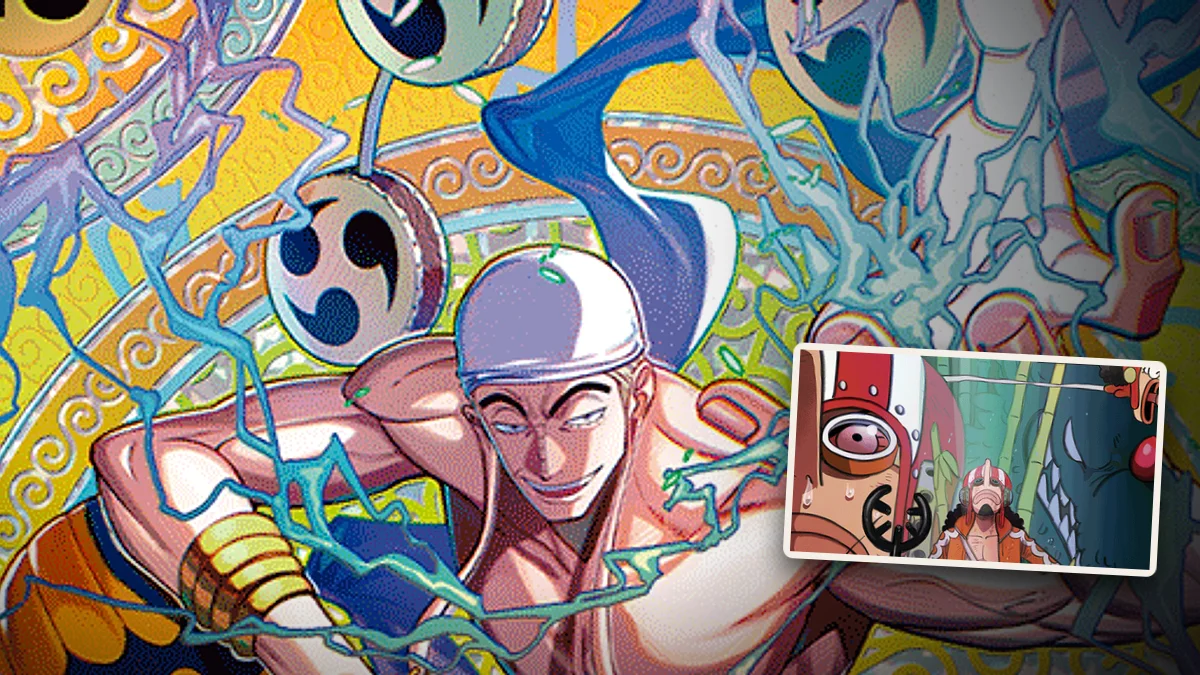
Key points
- EB02 is an Extra Booster of the One Piece Card Game: its cards carry the code EB02 followed by a number, which lets you check exactly which version you are buying.
- In EB02, as in other Japanese sets, the most wanted cards are generally the Secret Rares (SEC), the parallel versions of leaders and SRs, and any SP cards the set may include.
- A Japanese display holds 24 boosters of 6 cards but guarantees no specific card: for a targeted EB02 card, buying the single is almost always more predictable.
- For a collectible EB02 card, the stated condition (A, A-, B or C) matters as much as rarity: aim for A or A- if the card is meant to be displayed or kept.
You have spotted an EB02 card you like, or you are wondering whether to open boosters of this Extra Booster, and you want to know which cards are genuinely worth the effort. It is a fair question: an EB set is shorter than a regular OP series, so its strongest cards are concentrated on a handful of references, and it is easy to overpay for a regular version by mistaking it for a parallel.
Our answer is clear: in EB02, target the Secret Rares first, then the parallels of leaders and SRs, then the characters that matter to you, and buy them as Japanese singles in A or A- condition. This guide shows you how to identify the right card, when a booster or a display makes sense, which condition to choose and how to display the piece once it arrives.
What is EB02 and how does it differ from an OP set?
EB02 belongs to the Extra Booster line, the EB sets of the One Piece Card Game. Like every series in the game, it is released in Japan first, and Western markets follow on their own schedule. An EB differs from an OP by its nature: it is a supplementary set, usually more compact, built around a theme or a selection of characters, which complements the progression of the main series.
For collectors, this has a direct consequence: fewer references, so the chase cards are more visible and often more contested. The rarities are the usual ones (C, UC, R, SR, SEC, L, and depending on the set, parallel or SP versions), but spreading them across a shorter list changes how you should buy. Every card carries a code made of EB02 and a number, the reference to check before any purchase.
For the exact card list, artworks and rarities, the source to consult remains the official card list of the set. We will not give you invented figures here: we give you the method to target the right cards, whichever reference you are after.
Which EB02 cards are the most wanted?
In an Extra Booster, demand focuses on a small number of card profiles. The logic is the same as for OP series, only sharper, since there are fewer strong cards. Here are the categories that generally attract collectors, from the most contested to the most accessible.
The character matters almost as much as the rarity. A parallel of a secondary character can stay affordable, while an SR of a central character of the saga can be heavily contested. For a collection driven by pleasure, start from the character you love, then look for their best available version in EB02.
Finally, do not confuse rarity with price. A card's value comes from the combination of its rarity, the popularity of the character, the quality of the artwork and its condition. A rare card with little demand can stay modest, while a highly demanded card can climb without being the rarest in the list.
- Secret Rares (SEC): the highest rarity in the standard list, often the flagship card of a set.
- Parallels of leaders and SRs: the same card with alternative artwork, much rarer than the regular version.
- SP or special cards, if the set includes any: check the official list, they are generally printed in very small quantities.
- The most popular characters of the saga, when they appear in the list, in their best rarities: demand there is structurally stronger.
- Regular leaders (L): more accessible, appreciated for a collection built around a crew or a character.
| Category | What drives demand | How to spot it | Best for |
|---|---|---|---|
| Secret Rare (SEC) | Highest rarity in the standard list | SEC printed next to the code | High-end collection |
| Parallel (leader or SR) | Alternative artwork, rarer print | Same code, different artwork | Demanding collector |
| SP or special | Very small quantity, if present | Check the official list | Centrepiece, larger budget |
| Regular SR | Character and artwork | SR printed, standard artwork | Character-based collection |
| Regular leader (L) | Role in play and character | L printed and life value | First purchase, gentle budget |
How do you identify the right version of an EB02 card?
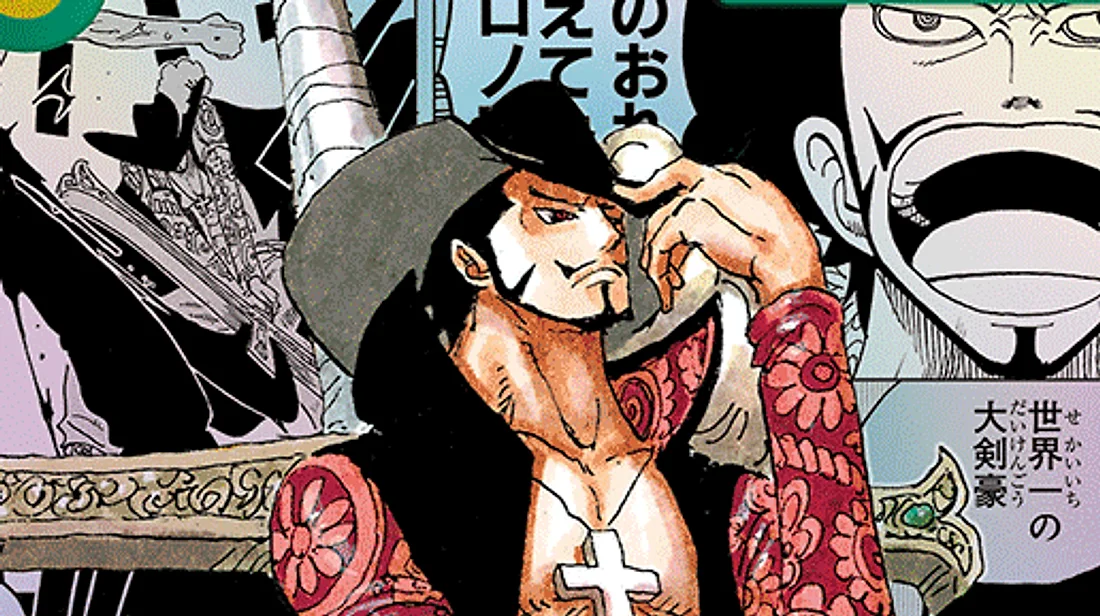
This is where most mistakes happen. The same EB02 card can exist as a regular and as a parallel version, with the same code. The code alone is therefore not enough: you have to cross-check it with the rarity and the artwork, in that order.
On our site, every card is shown with its code, its rarity and the condition stated by the Japanese shop selling it. That trio is what you should read, not just the character's name.
If you hesitate between two versions, the rule is simple: a parallel costs more than a regular card, so a listing at parallel price must show the alternative artwork. If it does not, you are looking at the regular version.
- Read the code at the bottom of the card: it starts with EB02, followed by the card's number in the list.
- Find the rarity printed next to the code: C, UC, R, SR, SEC, L, or a special mention.
- Compare the artwork with the regular version: a parallel has alternative art, often wider or more elaborate.
- Check that the card really is Japanese: its text is entirely in Japanese.
- Check the stated condition (A, A-, B, C) before confirming.
Singles, boosters or a display: what should you choose for EB02?
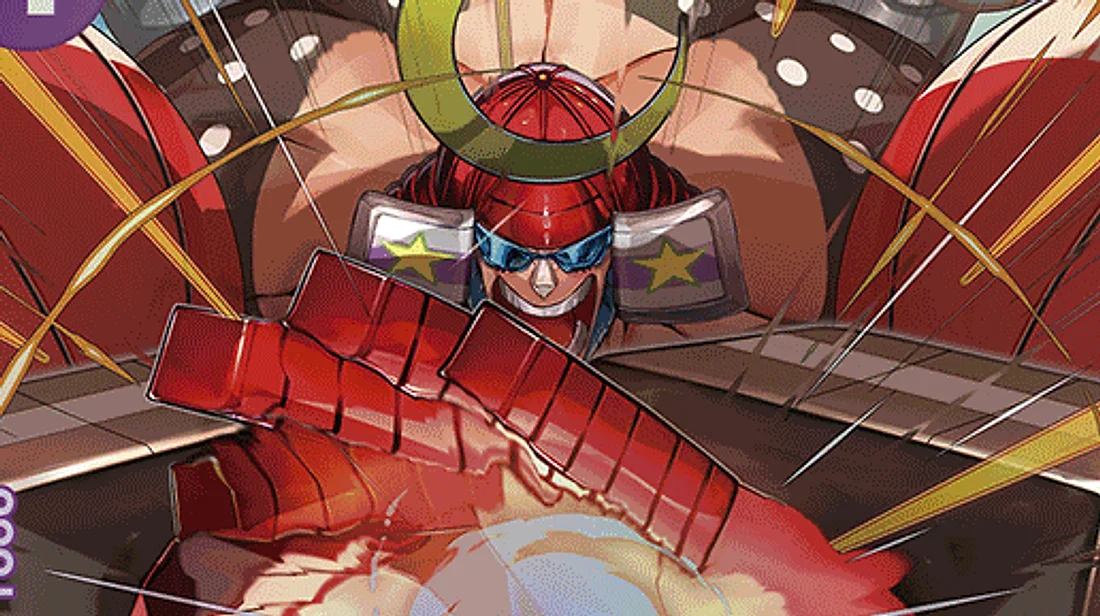
A Japanese display holds 24 boosters of 6 cards. It is the choice of people who love opening packs: the thrill of the pull, a pile of cards to sort and the hope of a SEC or a parallel. But a display guarantees no specific card, and in a short set like an EB, the gap between what you want and what you pull can be frustrating.
Buying singles reverses the logic: you pay for the card you want, in the condition you choose, with no luck involved. For an identified EB02 card, it is almost always the most predictable route. Our Japanese cards are bought in Japan to order, and shipping costs 4.20 €, free from 30 €.
A display still makes sense if you enjoy opening, if you want a base of cards to play with, or if you are looking for a sealed product to keep. In that last case, think in terms of long horizon and risk, never in terms of promised gains. Japanese displays and boosters are on OPCG.Shop, with shipping at 6.90 €, free from 199 €.
When should you buy an EB02 card?
Set prices often follow a cycle. At release, demand is high and supply still thin, which pushes sought-after cards up. Then, as boosters get opened, supply grows and the prices of less wanted cards settle. The truly sought-after cards generally hold up better.
For a collectible card you like, there is no need to wait for the perfect low point. Set a budget, follow the card for a few weeks and buy when the price feels fair for its condition. Keep in mind that a possible reprint can ease supply on some cards: it is worth checking before a significant purchase.
For high-end cards, patience pays more than haste. A SEC or a parallel regularly shows up in several conditions, and waiting for an A copy rather than grabbing the first B copy that comes along is often the best trade-off.
Which condition should you aim for on a collectible EB02 card?
On a Japanese single, the condition stated by the shop is as important as the rarity. It determines how the card looks on display, and also how easy it will be to part with it one day if you wish.
For a strong EB02 piece, a moderate price gap between A and B is almost always worth paying for A. Conversely, on a common card meant for play, B condition is perfectly reasonable and leaves budget for the card that really matters.
- A, near mint: the default choice for a SEC, a parallel or a card to display.
- A-, very good: an excellent compromise, often slightly cheaper for a barely visible flaw.
- B, good, visible wear: acceptable for a playing card or a first purchase on a small budget.
- C, fair: best kept for cards you want to use, not display.
How do you protect and display your EB02 cards?
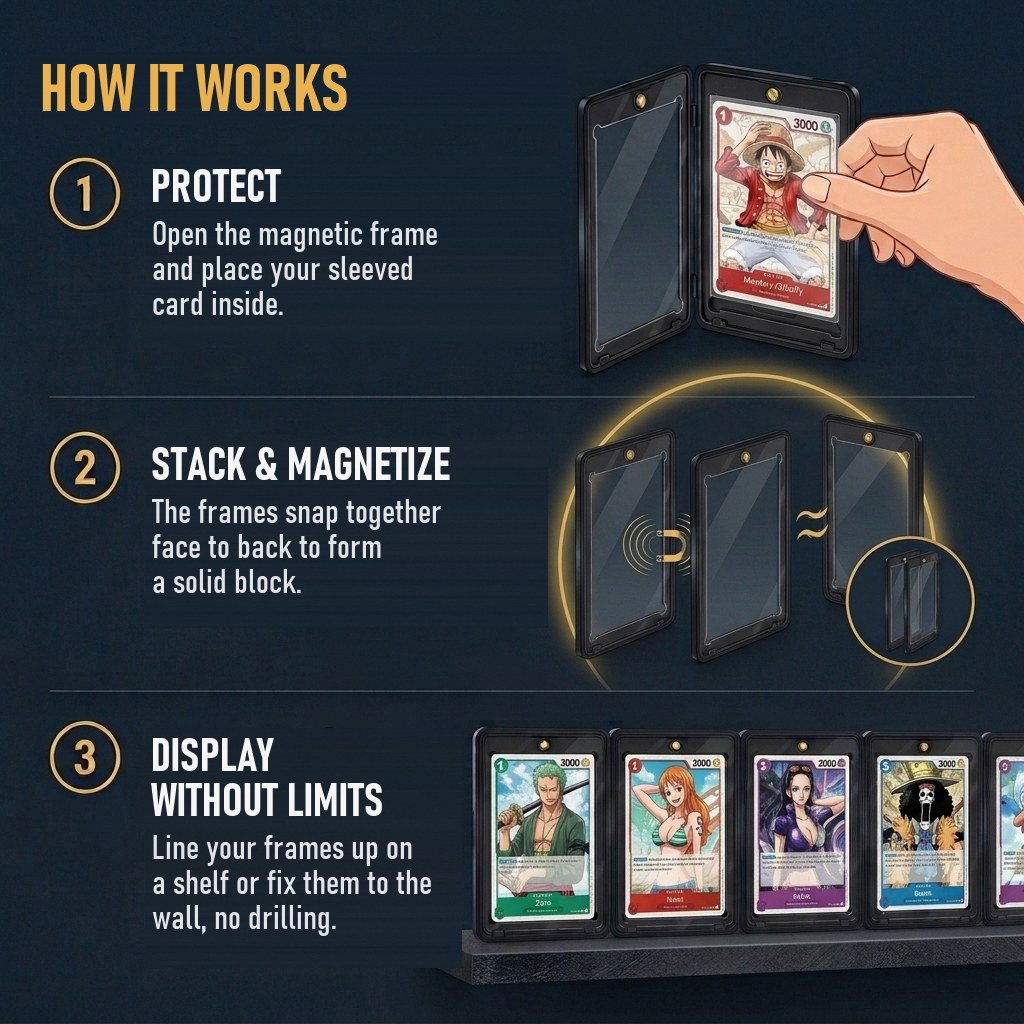
A sought-after card deserves protection as soon as it arrives: a sleeve first, then rigid storage. For a piece you want to see every day, the magnetic one-touch frame is the simplest solution: the card is held between two panes, safe from dust and knocks.
Our aluminium magnetic frame, in black or white, costs 24.80 € each, and when you buy 2 the 3rd is free. The frames snap together face to back to stack, stand upright like books, and attach side by side on the wall without drilling thanks to an adhesive magnetic strip (1 m for 15 €, 3 m for 29 €).
For a consistent EB02 set, for example a SEC, two parallels and a leader, a row of frames in the same colour gives a real collection look, and each card remains accessible in one move.
Verdict: EB02 is better collected card by card than blindly. Target the Secret Rares and the parallels of leaders and SRs first, then the characters you care about, always check the trio of code, rarity and artwork, and favour A or A- condition for any piece you plan to display. The next step is simple: note the EB02 card you want, browse our Japanese singles to compare available versions and conditions, then plan its frame so it shines as soon as it arrives.
Frequently asked questions
What is EB02 in the One Piece Card Game?
EB02 is an Extra Booster, a supplementary set of the One Piece Card Game, more compact than a regular OP series. Its cards carry the code EB02 followed by a number. Like every set in the game, it is released in Japan first.
What is the most wanted card in EB02?
Generally, the Secret Rares and the parallels of the most popular characters concentrate demand. The exact ranking moves with the market, so check the rarity and artwork of the card you want rather than relying on a fixed top list.
Is it better to buy an EB02 display or singles?
For a specific card, singles are more predictable, because a display of 24 boosters of 6 cards guarantees no card. A display suits you if you enjoy opening or want a playing base. Always compare with the single price of your target card.
How can I tell if my EB02 card is a parallel?
Read the code and the rarity, then compare the artwork with the regular version. A parallel shares the same code but has alternative artwork. If a listing shows a parallel price without that artwork, it is probably the regular version.
Read next
Sets and releases
One Piece Card Game Japan release schedule: how to read it and plan ahead
One Piece Card Game Japan release schedule: how to read it, how far ahead of Europe Japan runs, when to preorder and what reprints change.
November 13, 2026

Sets and releases
EB01 Memorial Collection: the cards that matter and how to buy them
EB01 Memorial Collection: what makes this set different, which rarities to target and why buying singles is usually the smartest move.
November 13, 2026

Sets and releases
EB03 One Piece: what the set contains and which Japanese cards to target
EB03 One Piece in Japanese: what this Extra Booster contains, which rarities matter, and why singles beat a display for a specific card.
November 13, 2026