
OP13 One Piece: the standout cards and how to buy them as singles
Published on November 13, 2026 · 8 min read

Key points
- In OP13, as in every main set of the One Piece Card Game, value is concentrated on parallel leaders, Secret Rares (SEC) and the parallel SRs of popular characters.
- To get one specific OP13 card, buying the single is almost always safer and cheaper than opening boosters, because no display is guaranteed to contain the parallel you want.
- A parallel card and its regular version share the same code, so compare the artwork and finish before judging the price of an OP13 card.
- For an OP13 standout card meant for display, aim for condition A or A-; condition B suits a playing card or a tight budget.
You have seen OP13 cards on social media, maybe a parallel leader or an eye-catching Secret Rare, and you are wondering which ones are really worth it and how to get them without buying boosters at random. It is the right question. In a main set like OP13, most of the value sits on a handful of cards, while the rest of the set can easily be found for a few euros. Opening boosters to chase one specific card is a gamble, not a method.
The short answer: OP13's standout cards are, as in every OP set, the parallel versions of the leaders, the Secret Rares (SEC) and their parallels, the parallel SRs of the most popular characters, and special cards (SP, manga rare) when the set includes them. To own one, buying the Japanese single is almost always the safest and cheapest route. Here is how to identify them, read their price, choose the condition and receive them well protected.
What makes an OP13 card valuable?
Three factors explain the price of an OP13 card, as for any set of the Japanese One Piece Card Game. First, the rarity printed on the card: C, UC, R, SR, SEC, L and the special versions. Second, the treatment: a parallel card, recognisable by its alternate artwork and often a more elaborate finish, is pulled far less often than its regular version. Third, the character: at equal rarity, Luffy, Zoro, Shanks or Ace almost always sell for more than a supporting character.
A fourth, quieter factor affects leader cards: player demand. A leader that dominates tournaments pushes up the price of its parallel version, because players want to play the best looking version of their deck. Conversely, a leader that drops out of the meta can see its price settle. For a collector, that is a signal to watch, not a reason to panic: over time, artwork and character matter more.
So keep one simple rule in mind: an OP13 card's value is read where rarity, treatment and character meet. A parallel SR of a flagship character can be worth more than an SEC of a minor one. That is why a ready-made list is not enough: you need to know how to read each card.
| Rarity | Pull frequency | Collection interest | Buy as a single? |
|---|---|---|---|
| C / UC | Very common | Low, except to complete a set | Rarely useful |
| R | Common | Moderate, mostly for players | Yes, for a specific need |
| SR | Less common | Good, depending on the character | Yes |
| L (leader) | Uncommon | Good, very good as a parallel | Yes, especially the parallel |
| SEC | Rare | Very good | Yes, almost always |
| Parallels (and SP if present) | Very rare | The showcase piece | Yes, the only sensible route |
Which OP13 standout cards should you target first?
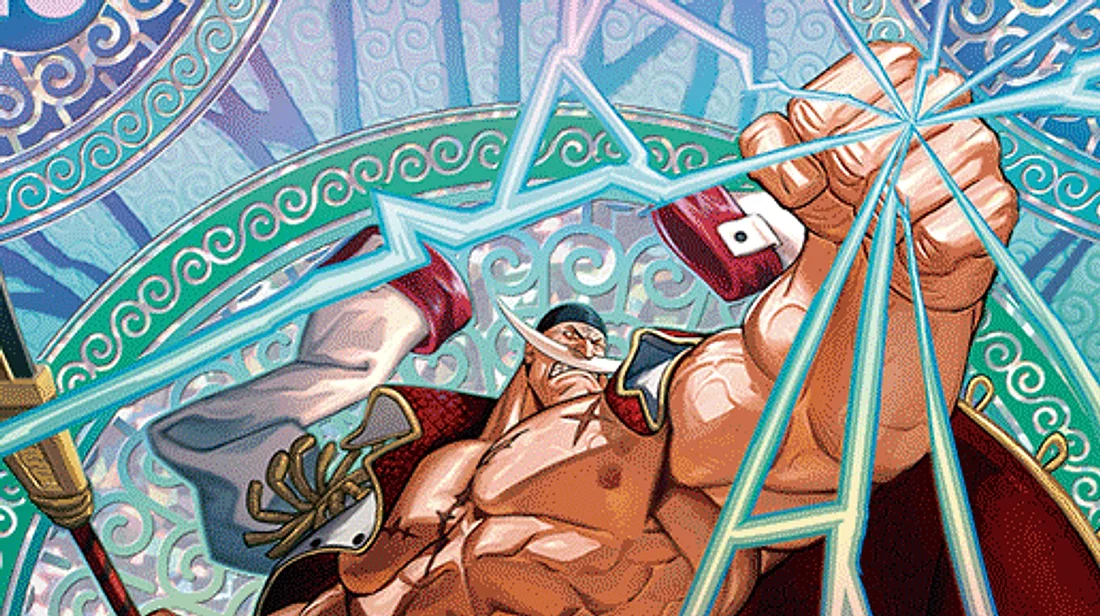
In OP13, the cards that draw the most interest follow the usual hierarchy of main sets. At the top are the parallel versions of the leaders and Secret Rares: these are the cards you see framed and that collectors look for first. Right behind them come the parallel SRs of the best loved characters, often more affordable and just as striking on a shelf.
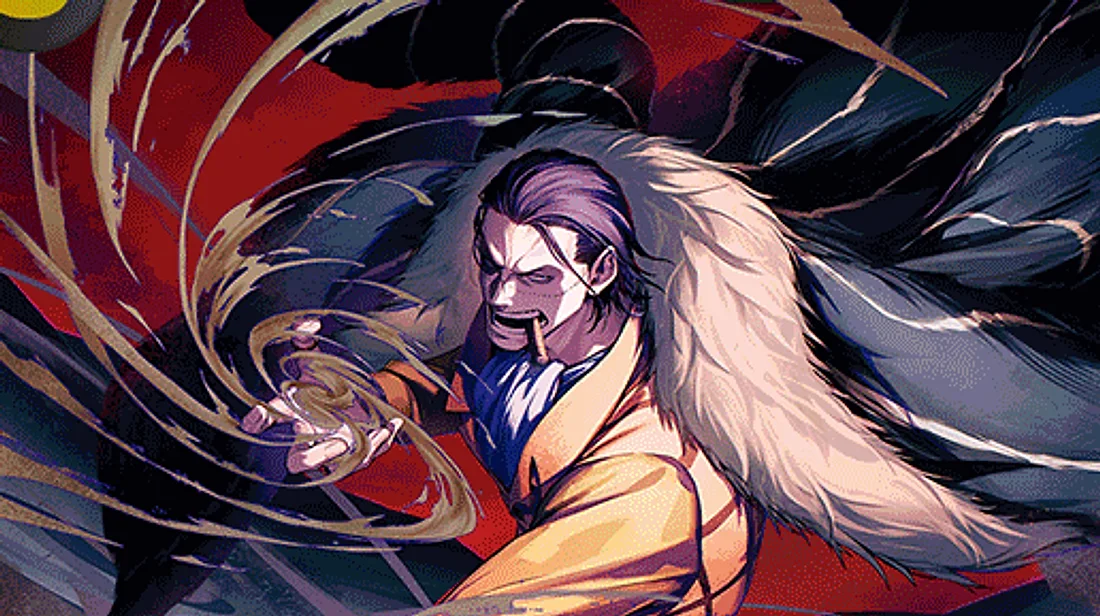
Depending on the set, Bandai adds special cards such as SPs or manga rares, which immediately become the most expensive pieces of the set. Before chasing one, check the official set list to confirm that it really exists in OP13 and under which code. Many listings mix sets up, and a card reprinted in another set does not have the same value.
To rank your wishes, start from how you will use the card: a display card is chosen for its artwork and character, a playing card for its role in current decks. The two sometimes overlap, but rarely, and that is exactly where prices take off.
- Parallel leaders: the signature piece of the set, valued by players and collectors alike.
- SEC and parallel SEC: the highest rarity of the regular pull, best on an iconic character.
- Parallel SRs of flagship characters: the best balance of beauty and price for a display.
- Special cards (SP, manga rare): only if they appear on the official OP13 list, to be checked card by card.

Why buy OP13 as singles rather than boosters?
A Japanese display contains 24 boosters of 6 cards. That sounds like a lot, but parallels and special cards are rarely pulled, and nothing guarantees that a given display holds the card you want. You can open several displays without seeing the parallel leader you are after, and end up with dozens of duplicate commons.
Buying singles flips the logic: you pay for the exact card, in the exact version, at a price known in advance. For a collector targeting two or three OP13 pieces, it is almost always cheaper than trying your luck, and above all it holds no surprises. The thrill of opening is real, but it belongs to leisure, not to a buying strategy.
A display still makes sense if you enjoy opening, if you want to complete the whole set, or if you play and need lots of base cards. For those cases, OPCG.Shop offers Japanese displays and boosters; for one specific card, our Japanese singles remain the direct route.
How do you read the price of a Japanese OP13 card?
The price of an OP13 card is not a fixed number: it moves with demand, tournaments and possible reprints. To judge a price, always compare identical versions: same code, same treatment (regular or parallel), same language and same condition. A parallel and a regular version share the same code, and that is the most common mix-up in listings.
Language matters too. Japanese cards come out first, are known for their print quality, and are generally priced more gently than their English equivalents at the same point in time. On a set that has been out for a while, like OP13, the Japanese market is deep: plenty of copies are in circulation, which steadies the prices of common cards and makes the fine pieces easier to find.
Finally, look at the total cost, not just the listed price. With us, cards are shown in euros including VAT, and card shipping costs €4.20, free from €30, paid only once per order. Grouping two or three OP13 cards in a single order often makes the shipping cost disappear.
Which condition should you choose for an OP13 standout card?
The cards we offer are bought in Japan, and their condition is the one stated by the Japanese shop: A (near mint), A- (very good), B (good, visible wear) and C (fair). For a standout piece meant for display or possible grading, aim for A, or A- if the price gap is significant.
For a playing card or a piece you simply want to own, condition B can be an excellent compromise: the wear is visible up close, much less so once the card is sleeved and framed. Keep condition C for cards you want just for the fun of it, with no presentation requirements.
- Condition A: display, grading, a piece you want to keep for a long time.
- Condition A-: a very good compromise when the price gap with A is large.
- Condition B: playing card or tight budget, wear visible up close.
- Condition C: a just-for-fun card, to avoid for a valuable piece.
How do you buy an OP13 single, step by step?
Every card shown on our site is genuinely for sale in Japan: we buy it to order, then ship it to Europe. You see the version, condition and price before paying, with no intermediary to manage and no foreign platform to figure out.
The method that avoids bad surprises takes just a few steps. It applies to any OP13 standout card, from the parallel leader to the SR of your favourite character.
If you do not have a specific card in mind yet, the Mystery Box is another way in: a draw of real Japanese cards bought in Japan, for the fun of discovery without the total randomness of a booster.
- Choose the card by its OP13 code and check its version (regular or parallel).
- Compare the available conditions and choose according to use: display or play.
- Group your cards to reach €30 and enjoy free shipping.
- Plan protection when ordering: a sleeve, then a frame if the card is meant to be seen.
- On arrival, check the card and store it straight away out of direct light.
How do you protect and display your OP13 pieces?
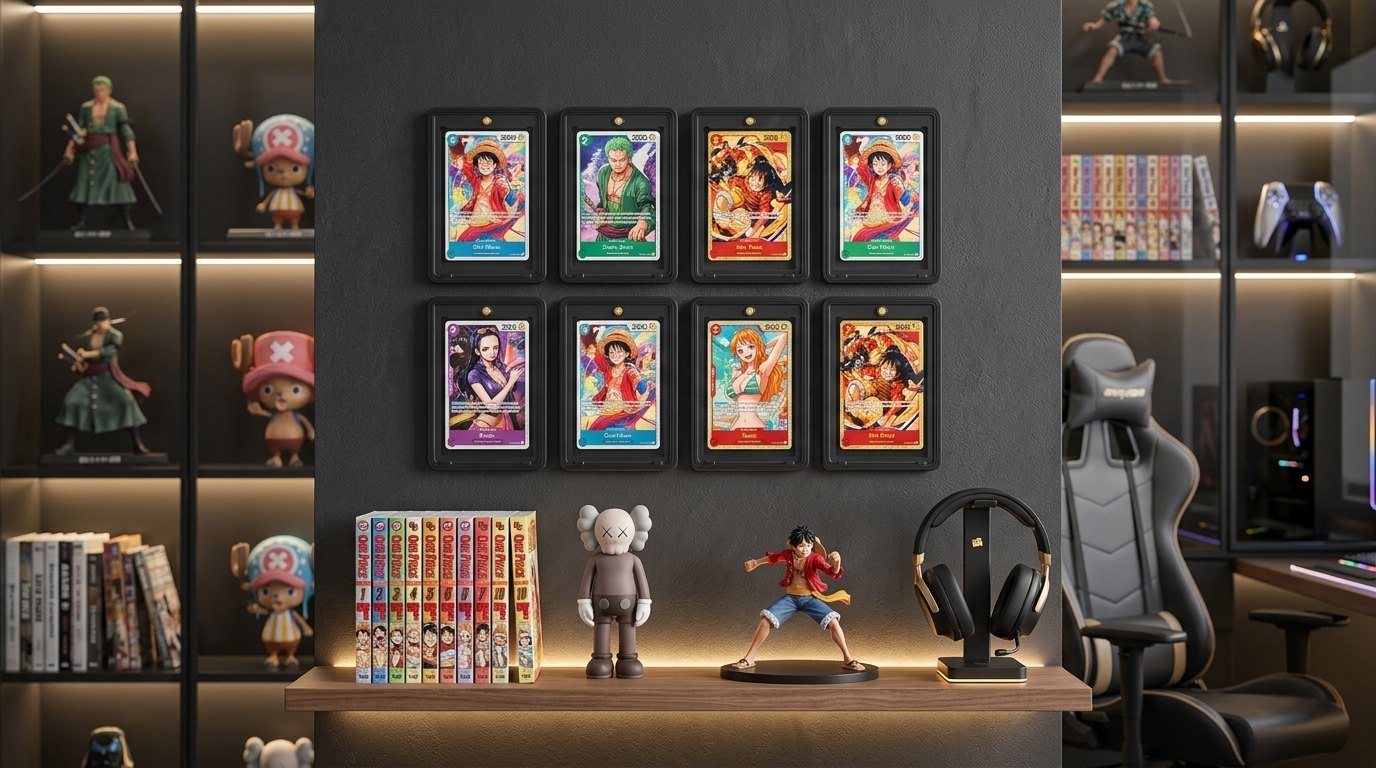
A standout card deserves better than a binder at the back of a drawer. The basics are simple: a fitted sleeve as soon as it arrives, then a rigid holder. For pieces meant to be seen, our one-touch magnetic frame in aluminium, with double glass, protects the card while showing it off. It comes in black or white at €24.80 each, and the third one is free when you buy two.
The frames snap together face to back to stack, stand upright like books, and fix side by side on the wall with the adhesive magnetic strip (1 m for €15, 3 m for €29), without drilling. If you have a piece graded, a PSA slab compatible version is available at €34.80, sold empty.
Displaying cards from the same set together creates a coherent showcase: a parallel leader in the centre, the SECs and parallel SRs around it, and the whole arrangement tells the story of OP13 at a glance. Just avoid direct sunlight, which eventually dulls the colours.
Verdict: OP13's standout cards come down to a few pieces, namely parallel leaders and SECs, the parallel SRs of flagship characters, and special cards if the set includes them. Buying Japanese singles remains the safest way to get them at a fair price. Your next step: write down the two or three OP13 cards you really love, check their code and version, then compare the available conditions among our Japanese singles before grouping them into a single order.
Frequently asked questions
What is the most expensive card in OP13?
It changes with demand, tournaments and reprints, which is why we do not give a fixed name. Generally, it is a special card or the parallel version of a leader or SEC featuring a very popular character. Always check the code and version before comparing prices.
Are Japanese OP13 cards cheaper than English ones?
Often yes, for the same version and condition, because the Japanese market is larger and cards come out there first. The gap varies from card to card, so compare case by case. Japanese print quality is also highly valued by collectors.
Should I buy an OP13 display to get the parallel leader?
No, if that specific card is what you want. A 24-booster display guarantees no particular parallel, whereas buying the single delivers it directly. A display is still worthwhile for the fun of opening or to complete a set.
How do I recognise an OP13 card?
Look at the code printed on the card: it starts with OP13, followed by the card number, and the rarity appears next to that code. Identical artwork can exist in another set. Only the code is conclusive.
Read next
Sets and releases
One Piece Card Game Japan release schedule: how to read it and plan ahead
One Piece Card Game Japan release schedule: how to read it, how far ahead of Europe Japan runs, when to preorder and what reprints change.
November 13, 2026

Sets and releases
EB01 Memorial Collection: the cards that matter and how to buy them
EB01 Memorial Collection: what makes this set different, which rarities to target and why buying singles is usually the smartest move.
November 13, 2026
Sets and releases
EB02 One Piece: the most wanted cards and how to buy them right
EB02 One Piece: which Japanese cards to target (SEC, parallels, SP), how to identify them, and why buying singles is usually the safest route.
November 13, 2026