
OP12 One Piece: what makes the set a success and the Japanese cards to target
Published on November 13, 2026 · 8 min read

Key points
- OP12 is a main set of the Japanese One Piece Card Game: its cards carry the code OP12 followed by a number, and a Japanese display holds 24 boosters of 6 cards.
- The lasting success of a set like OP12 shows in four signals: popular characters, leaders that see play, well crafted parallel artwork and demand that holds after release.
- In OP12, the priority cards for a collection are the SECs, the leaders (L) in parallel versions and the alternate art cards of the characters you love.
- To get one specific OP12 card, buying it as a Japanese single in A or A- condition is generally far cheaper than opening boosters and hoping to pull it.
You have seen the code OP12 on a card, a listing or an opening video, and you are wondering what this set is really worth. Is it still worth your attention now that later releases, from OP13 up to the OP18 preorder, have taken over in Japan? And above all, which cards deserve your budget, without paying for hype or opening boosters blindly?
The short answer: OP12 remains an interesting set for collectors, because it belongs to the main OP series, the line that concentrates leaders, secret rares and parallel versions. But not every card in a set is equal. This guide gives you the criteria to judge its success, the rarities to target, how to check a Japanese card and the most rational way to buy depending on your profile.
What is the OP12 set of the One Piece Card Game?
OP12 is the twelfth booster of the One Piece Card Game main series, the OP line that has structured the game since OP01 Romance Dawn. Like every set, it is released in Japan first, in boosters of 6 cards sold in displays of 24. It sits after OP11 and before OP13, roughly halfway through a series that now counts eighteen main sets in our Japanese catalogue.
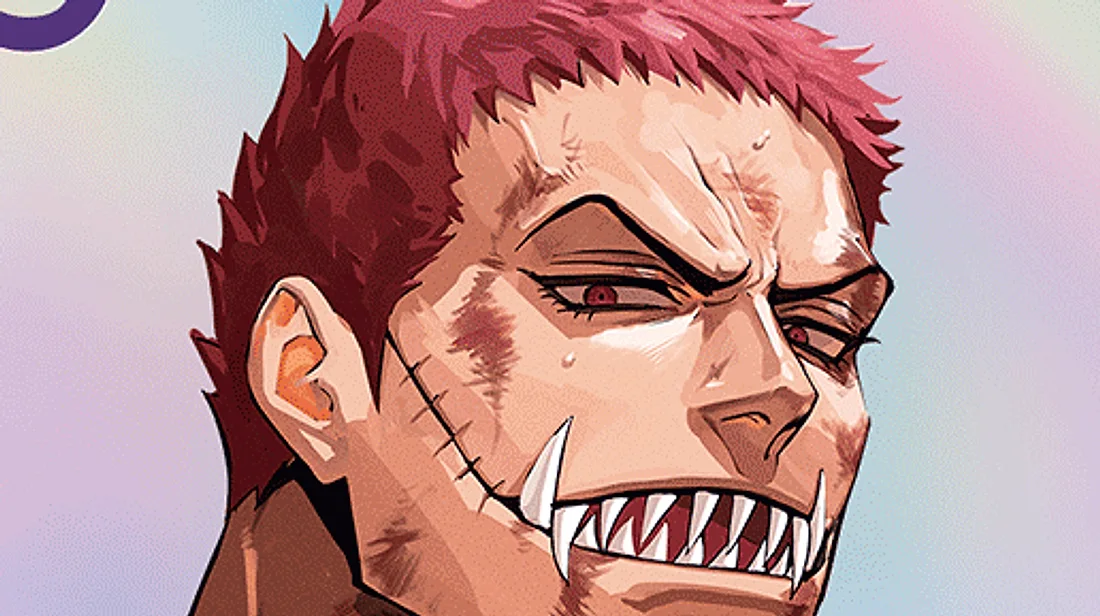
Every card in the set carries a code at the bottom, OP12 followed by a number, plus a rarity letter: C, UC, R, SR, SEC, or L for leaders. On top of that come parallel versions, also called alternate arts, which reuse an existing card with different, often extended artwork and a more elaborate finish. They are the cards that draw most of the collectors' interest.
A main set should therefore not be read as one uniform block. It mixes common playing cards, very easy to find, with a handful of rare cards that build its reputation. Understanding OP12 starts with telling those two worlds apart, then spotting within the second one the cards that keep lasting appeal, both for play and for display.
What makes a set like OP12 successful?
A set's success is not decided on release day. It shows over time, once the first wave of openings has passed and prices settle. For OP12, as for any other set, four signals let you make the call, and you can check them yourself instead of relying on social media noise.
The key point is that these signals do not affect every card in the same way. A set can be a success thanks to a few flagship cards, while most of its commons stay very affordable. That is good news for you: you do not need to buy everything to enjoy the set, you simply need to target the right pieces.
One last factor weighs on OP12: time. Newer sets grab the attention of the moment, which often eases the pressure on slightly older ones. This is frequently when you can buy a single in good conditions, once the excitement has faded, as long as you check today's price rather than relying on memory.
- Characters: a set that features central figures of the story keeps loyal buyers, even outside competitive play.
- Leaders: a leader played in tournaments sustains demand for its cards, in both regular and parallel versions.
- Artwork: well executed parallel versions become display pieces, sought after for their own sake.
- Demand after release: a card that is still wanted months after the Japanese release is a better sign than a price spike in the first week.
Which OP12 rarities deserve your attention?
Not every rarity plays the same role. Commons (C) and uncommons (UC) are mainly for play: they are plentiful, easy to find and rarely interesting for a display. Rares (R) and super rares (SR) go one step up, with a few playable cards that keep steady demand among players.
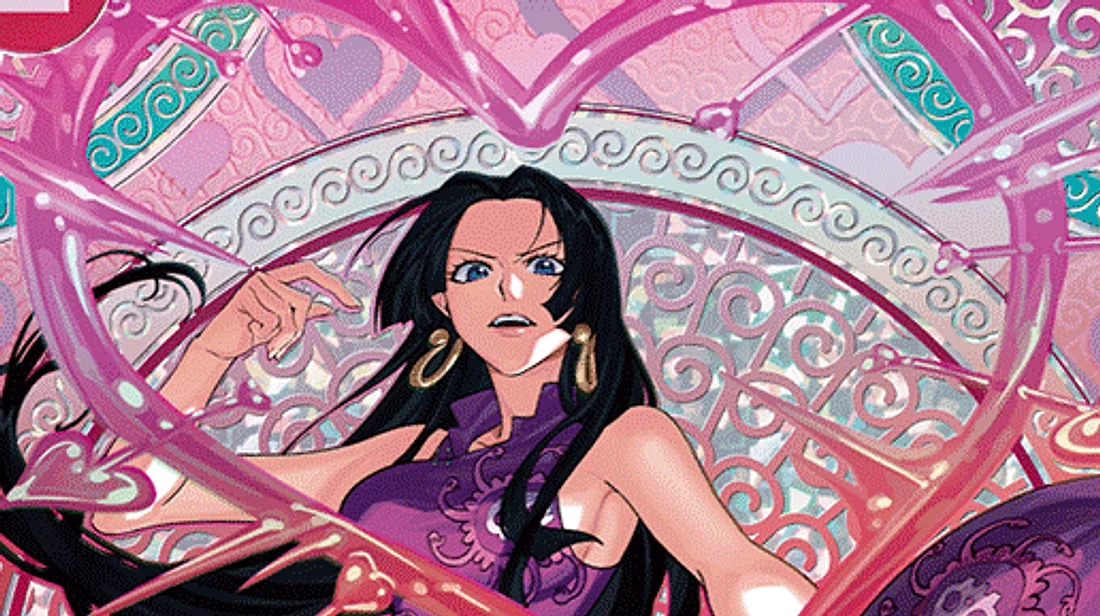
Collector interest lies elsewhere: in secret rares (SEC), in leaders (L) and above all in the parallel versions of those cards. A parallel SEC or a parallel leader from OP12 takes a strong card and adds richer artwork, which naturally makes it the collectors' target. Special cards (SP), when a set includes them, belong in the same category.
The table below sums up this logic without invented prices: it tells you what each rarity is for and what you can expect from it. Real prices are read card by card on each listing, since every card shown on our site is genuinely for sale in Japan and bought when you order.
| Rarity | Main role | Collector interest | Ease of finding |
|---|---|---|---|
| C / UC | Play, completing a deck | Low | Very easy |
| R / SR | Play, key cards | Medium, card dependent | Easy |
| L (leader) | Heart of a deck | High, especially parallel | Depends on version |
| SEC | Flagship card of the set | High | Harder |
| Parallel / SP | Alternate art version | Highest | Hardest |
Which OP12 cards should you target for your profile?
There is no single right OP12 card: there is the right card for your goal. Before looking at prices, ask yourself one simple question. Are you buying to display a character you love, to complete a run of leaders, or to own the rarest pieces of the set? The answer changes the target completely.
Whatever your profile, the rule stays the same: one strong card beats a handful of average ones. A collection is defined by its best pieces, and a single well chosen parallel will bring you more enjoyment and more coherence than ten commons sitting in a binder.
To see what is actually available, the easiest way is to browse our Japanese cards filtered on OP12: each listing shows the rarity, the condition stated by the Japanese shop and the price in euros including VAT. You can compare the versions of one character in a few minutes.
- Character fan: go for their best available version, often the parallel, rather than several average cards of the same character.
- Leader collector: look for the OP12 leader that speaks to you in its parallel version, a clear piece that fits with your leaders from other sets.
- Rarity hunter: focus on the SECs and their parallel versions, and insist on A or A- condition.
- Tight budget: pick a nicely illustrated SR or R of a strong character, in Japanese, for a beautiful card at a small price.
Why choose OP12 in Japanese?
One Piece Card Game sets come out in Japan first. For OP12 as for the others, the Japanese market is therefore served first and is the deepest: it offers the widest range of singles, from commons to parallels, and it is where you most easily find a specific card in the condition you want.
The Japanese version is also valued by collectors for its print quality and for the coherence of a collection built in a single language. For a card meant for display, the text hardly matters: artwork, finish and condition are what make the difference once the card sits behind glass.
Buying Japanese cards from Europe used to mean going through Japanese shops and platforms, with middlemen, fees and the language barrier. At OPCG Gallery, the card is bought in Japan when you order, then shipped to you: delivery costs 4.20 €, is free from 30 € and is only paid once per order.
How do you check an OP12 card before buying it?
A rare card is only worth something in good condition. Before buying an OP12 card, take a few seconds to check the points that separate a good deal from a disappointment. This applies to a cheap SR as much as to a parallel SEC.
Condition is the most overlooked criterion. Between an A card and a B card, the gap shows immediately behind glass: corners, surface and edges stand out more once the card is framed. For a card you plan to display, A or A- condition is almost always worth the price difference.
Also keep in mind that card prices move: a reprint, a shift in the meta or the arrival of a new set can push them up or down. Look at today's price, not the price from six months ago, and never think in terms of guaranteed gains.
- Code: OP12 and the right number, matching the card you are looking for.
- Rarity: the letter (SR, SEC, L) and, for a parallel, the mention of the alternate version on the listing.
- Condition: A (near mint) or A- (very good) for a display piece; B (good, visible wear) or C (fair) for a playing card or a small budget.
- Price: compare the same card, in the same condition and the same version, never a parallel against a regular one.

Boosters, display or singles: how should you buy OP12 today?
Opening OP12 boosters is still fun, but it is a poor way to get a specific card. A Japanese display holds 24 boosters of 6 cards, and the parallels or SECs you are after are never guaranteed. For a set that has been out for a while, a sealed display also becomes harder to find, and is often more expensive than at release.
If your goal is one particular card, buying singles is the most rational method: you pay for the card you want, in the condition you choose, with no random pull. Keep the joy of opening for new releases, available for preorder on OPCG.Shop, or for the Mystery Box, a draw of real Japanese cards bought in Japan.
Once the card arrives, protect it in a sleeve and put it on display. Our magnetic one-touch aluminium frame, with double glass, in black or white, costs 24.80 € each, with the third one free when you buy two. The frames snap together face to back to stack, stand upright like books and attach side by side on the wall with the adhesive magnetic strip, no drilling needed.
Verdict: OP12 deserves your attention, but not as a whole. Its value for collectors rests on its leaders, its SECs and its parallel versions, not on its commons. The right method is to choose the character or leader that matters to you, compare its versions, then buy it as a Japanese single in A or A- condition. Your next concrete step: browse our Japanese OP12 cards, pick one or two strong pieces and plan a frame to display them as soon as they arrive.
Frequently asked questions
How many cards are in a Japanese OP12 booster?
A Japanese OP12 booster contains 6 cards, and a display holds 24 boosters. The rarest cards, such as SECs and parallel versions, are not guaranteed in any given display. That is why buying singles is safer when you want one specific card.
What is the most sought after card in OP12?
Generally, the parallel versions of SECs and leaders concentrate demand in a main set like OP12. The exact ranking changes with the game, reprints and later releases. Check the listings and today's prices rather than a fixed ranking.
Japanese or English OP12: which should you choose?
Sets come out in Japan first, and the range of singles is widest there. For a display collection, the Japanese version is a solid choice thanks to its print quality. If you play tournaments in Europe, check the event's language rules.
Is it too late to buy OP12 cards?
No: once later sets are out, the pressure on OP12 cards often eases. It is a good time to buy singles, as long as you check the condition and current price of each card. A sealed display, however, is generally harder to find.
Read next

Sets and releases
One Piece Card Game Japan release schedule: how to read it and plan ahead
One Piece Card Game Japan release schedule: how to read it, how far ahead of Europe Japan runs, when to preorder and what reprints change.
November 13, 2026

Sets and releases
EB01 Memorial Collection: the cards that matter and how to buy them
EB01 Memorial Collection: what makes this set different, which rarities to target and why buying singles is usually the smartest move.
November 13, 2026
Sets and releases
EB02 One Piece: the most wanted cards and how to buy them right
EB02 One Piece: which Japanese cards to target (SEC, parallels, SP), how to identify them, and why buying singles is usually the safest route.
November 13, 2026