Investing in One Piece cards: what holds value, what collapses
Investing in One Piece cards: which Japanese cards hold their value, which ones drop, and how to limit the risk before you buy.
Published on November 13, 20268 min read

Key points
- Investing in One Piece cards is collecting, not a financial investment: a card pays no return and its value depends entirely on demand when you sell.
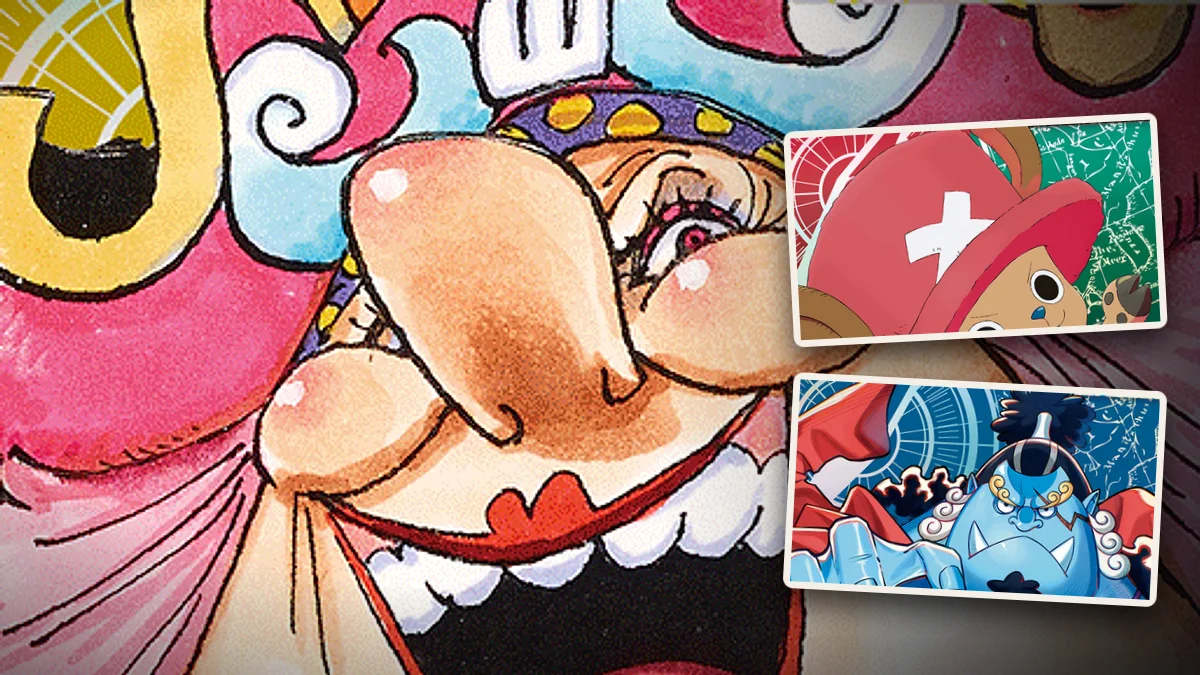
- The One Piece cards that hold value best combine high rarity (SEC, parallel, manga rare, SP), a central character such as Luffy or Shanks, and A condition.
- One Piece cards whose value rests on release hype or on the competitive meta alone are the most exposed to price drops.
- To limit the risk, set a budget you can afford to lose, avoid buying at the release peak, and protect every card in a sleeve and a rigid frame as soon as it arrives.
You keep seeing One Piece cards resold far above their original price and Japanese booster boxes selling out within hours, and you wonder whether buying cards could become an investment. Maybe you already own a few great cards and want to know which ones to keep, or you are thinking about putting more serious money into the game. It is a fair question, and it deserves an honest answer, without hype or doom.
Our answer is clear: investing in One Piece cards is possible, but it is a collectors' market, not a financial product. What holds up over time are rare Japanese cards of strong characters, in excellent condition and carefully stored. What collapses are cards carried only by release hype or by the competitive meta. Here are the criteria to tell them apart, and the share of risk you have to accept.
Frequently asked questions
Which One Piece card gains the most value?
No card has a guaranteed value. The ones that hold up best usually combine high rarity (SEC, parallel, manga rare), a central character and perfect condition. Cards whose value rests only on tournament use are much more fragile.
Is it better to keep a sealed box or buy single cards?
A sealed box needs patience and flawless condition, and how it evolves depends on how much was printed. Singles let you target exactly what you want, with no luck involved. Many collectors combine both depending on their budget.
Are Japanese One Piece cards worth more than English ones?
There is no fixed rule: it depends on the card and the timing. Japanese cards are valued for their print quality and because sets release in Japan first. Always compare the specific card, in its exact version and condition.
Should I grade my One Piece cards to resell them for more?
Grading can reassure a buyer about the condition of a valuable card, but it costs money and takes time. It only makes sense for rare cards in flawless condition. A graded card then keeps very well in a PSA slab compatible frame.