One Piece display as an investment: logic, risks and holding horizon
Keeping a sealed Japanese One Piece display as an investment: why it can work, the real risks and the holding horizon to aim for before selling.
Published on November 13, 20268 min read

Key points
- A sealed Japanese One Piece display can gain value because the stock of unopened boxes shrinks with every opening, but that rise is never guaranteed.
- The main risks of holding a display as an investment are reprints, resealed boxes, poor storage and slower resale than a single card.
- A realistic holding horizon for a sealed display is measured in years: right after release, supply is plentiful and prices often stall or dip.
- To own one specific card, buying it as a single is more direct than a display. Sealed product suits patient collectors who buy at release price and store flawlessly.
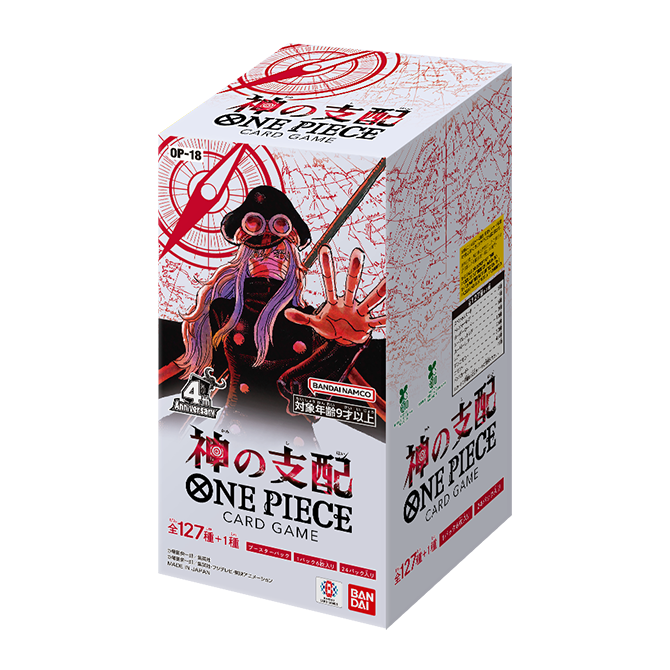
Are you wondering whether to open your next Japanese One Piece display, or keep it in its shrink wrap and forget about it for a few years? Many collectors ask the same thing: is a sealed display a sound investment, or a gamble dressed up as one? Between videos of old boxes resold far above their release price and reprinted sets sliding back down, it is hard to separate the logic from the noise.
Our answer is clear: keeping a sealed One Piece display can make sense, but only as a modest part of a collection, on a set chosen for lasting demand, bought at release price, stored flawlessly and held for several years. It is neither a savings account nor a sure gain. Here is the logic that pushes some displays up, the risks people underestimate, the realistic horizon and a method to choose, store and buy without falling into traps.
Frequently asked questions
Does a One Piece display always gain value?
No. Some older displays resell above their release price, others stay flat or drop, especially after a reprint. Any rise depends on lasting demand for the set and on how many boxes remain sealed.
Is it better to keep a Japanese or an English display?
Both markets exist and move separately. Japanese releases first, is known for its print quality and is highly sought after by European collectors, but its resale depends on international interest in the game. Choose the version whose resale market you know.
How long should you keep a sealed display?
Think in years rather than months: the first months are often the least favourable because supply is plentiful. Set a minimum holding period and a resale threshold when you buy, and accept that some boxes never rise.
How can you tell whether a display has been resealed?
The safest route is to buy at release, from an identified seller, and keep the invoice. On an older box, inspect the wrap, its seams and folds, compare with photos of an authentic box from the same set and be wary of a price well below the market.