Japanese One Piece card resale value in Europe: the real market
A Japanese One Piece card resells well in Europe when it is a collector piece. Which cards find buyers, who buys them, and the math to do first.
Published on November 13, 20268 min read
Key points
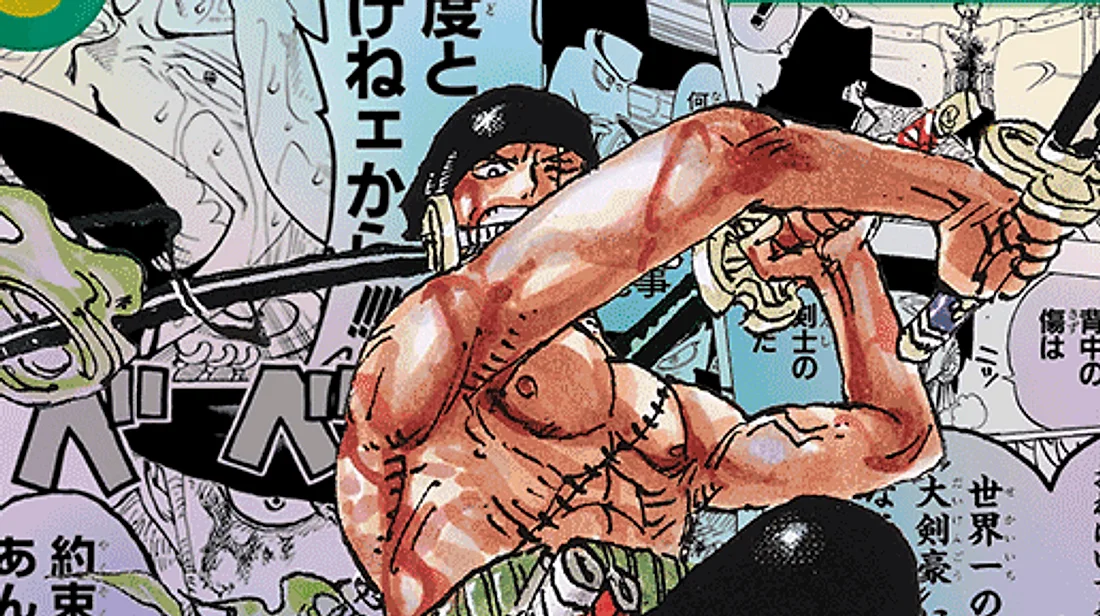
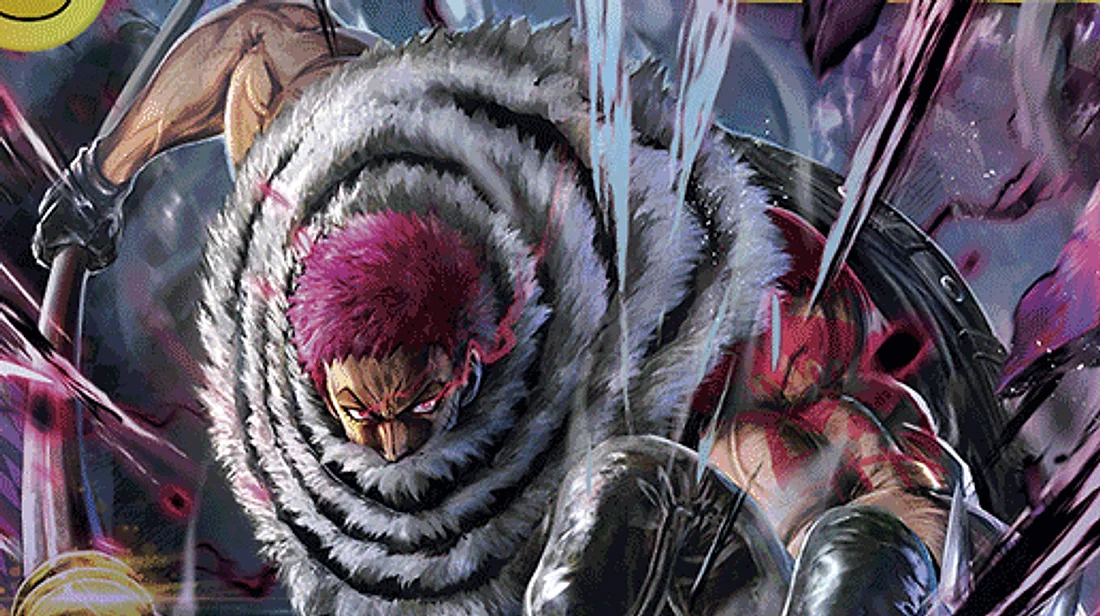
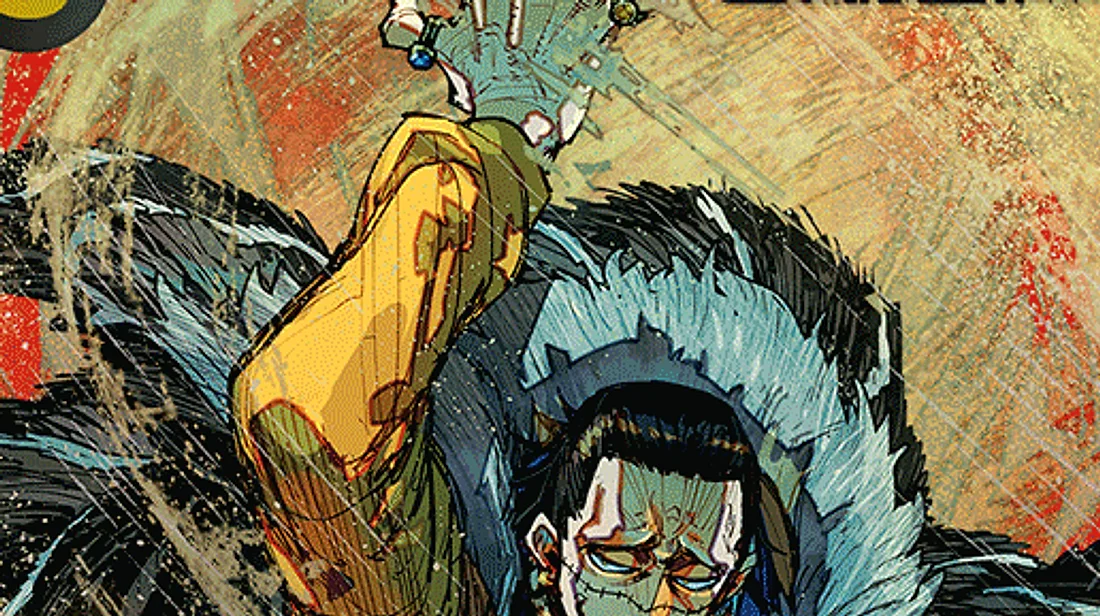
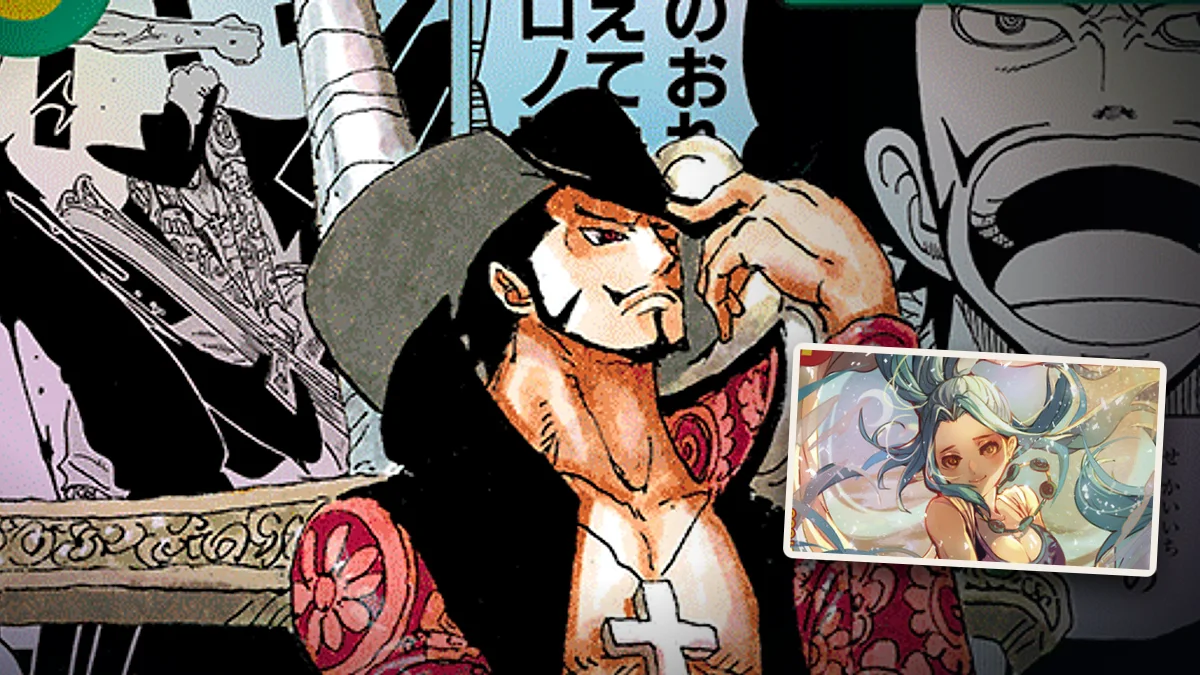
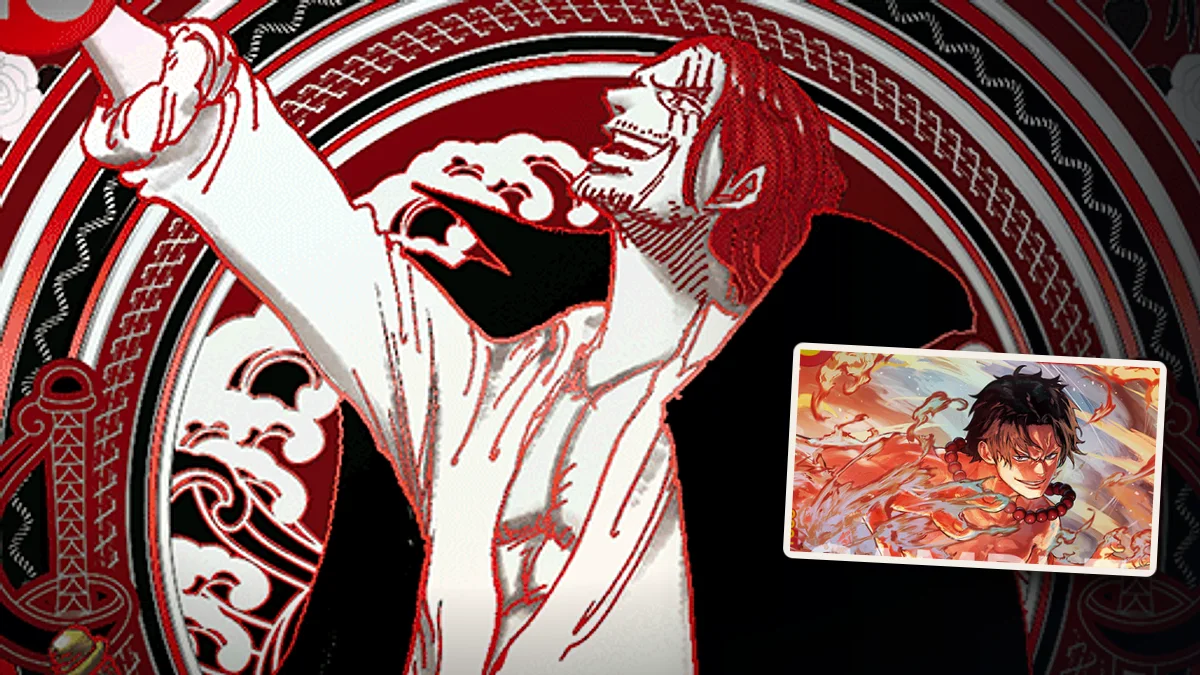
- A Japanese One Piece card resells well in Europe when it is a collector piece: manga rare, SP, alternate art, SEC or parallel leader of a popular character.
- Japanese commons, uncommons and standard rares resell poorly in Europe, because European players generally play with the English edition.
- The resale value of a Japanese card is measured on completed sales in Europe, not on active listings, then compared with the purchase cost including shipping and selling fees.
- Condition directly drives resale: a Japanese card in A condition, kept in a sleeve and a one-touch holder, sells faster and better than a card in B or C condition.
You have spotted a beautiful Japanese One Piece card, or you already own a few, and one question keeps coming back: if you ever want to sell it, will you find a buyer in Europe, and at what price? The worry is fair. The text is in Japanese, most European players use the English edition, and listings show prices all over the place. You hear everything and its opposite, from 'Japanese cards never resell' to 'Japanese cards are always worth more'.
The short answer: yes, a Japanese card resells well in Europe, provided it is a collector card and not just a playing card. The European market for Japanese cards is real, it is driven by collectors, and it rewards three things: the character, the visual rarity and the condition. Here is who buys, which cards find a buyer, how the English version compares and the math to do before you buy, so you never pay for a card you could not sell properly.
Frequently asked questions
Is a Japanese One Piece card worth less than an English one in Europe?
Not systematically. Depending on the card, the Japanese version sells for less, the same or more than the English one, especially for manga rares and alternate arts. Compare completed sales of both versions, in the same condition, before drawing a conclusion.
Can you play Japanese cards in tournaments in Europe?
Official tournaments held in Europe are generally played with the English edition, and you should always check the event rules. Japanese cards remain perfect for casual play with friends. This explains why European players buy few Japanese cards for their decks.
Should you grade a Japanese card before reselling it in Europe?
Only for a high-end card in flawless condition, where the grade reassures buyers and widens the audience. For most cards, a raw sale with good photos and honestly described condition is enough. Grading has a cost and a delay that must be justified.
Which Japanese cards should you avoid if you are thinking about resale?
Commons, uncommons and standard rares, which have almost no buyers in Europe as singles. Also be wary of cards listed at high prices that almost never actually sell. Aim instead for collector pieces of popular characters, in A condition.