
Kaido One Piece card: which Japanese versions to buy and why
Published on November 13, 2026 · 7 min read
Key points
- For a display piece, the Japanese Kaido card to target first is the OP05-118 SEC in alternate art, the rarest of his versions.
- The Kaido leader OP01-061 comes from the very first One Piece Card Game booster set and exists as a parallel, sought after by collectors.
- A single Kaido card code can exist in several alternate artworks, so you need to compare the photos, not just the reference.
- For a rare Kaido card meant for display, condition A or A- and a double-glass frame are the recommended minimum.
You are looking for a One Piece Kaido card and you keep running into a dozen different codes: ST04-001, OP01-061, OP04-044, OP05-118, OP08-079, OP17-062, with suffixes such as _p1, _p2 or _p3 that mean little at first glance. The Emperor of the Beasts Pirates is one of the most frequently printed characters in the Japanese One Piece Card Game, both as a leader and as a character, and that abundance makes the choice harder than it looks.
Our answer is clear. For a display piece, go first for the OP05-118 SEC in alternate art. For a card with history, choose the OP01-061 leader in its parallel version. On a tighter budget, look at the alternate artworks of the characters OP04-044, OP08-079 or OP17-062. This guide explains why, how to read the codes, which condition to insist on and how to display your Kaido without ever damaging it.
Which Kaido cards exist in the Japanese One Piece Card Game?
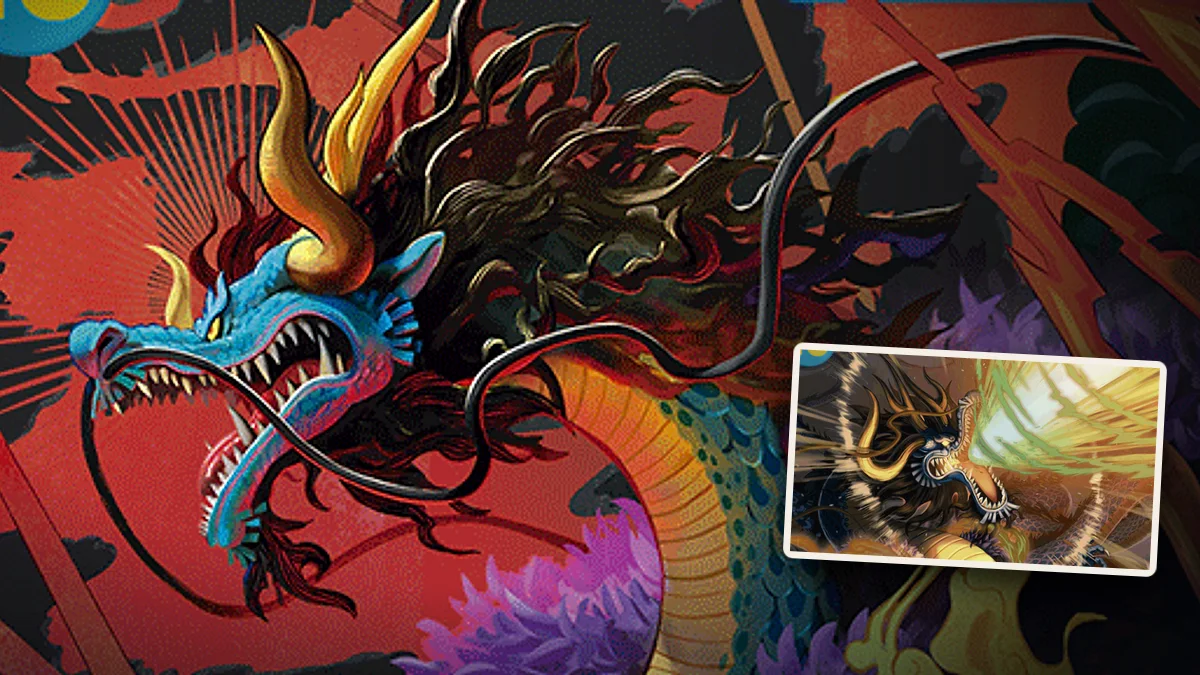
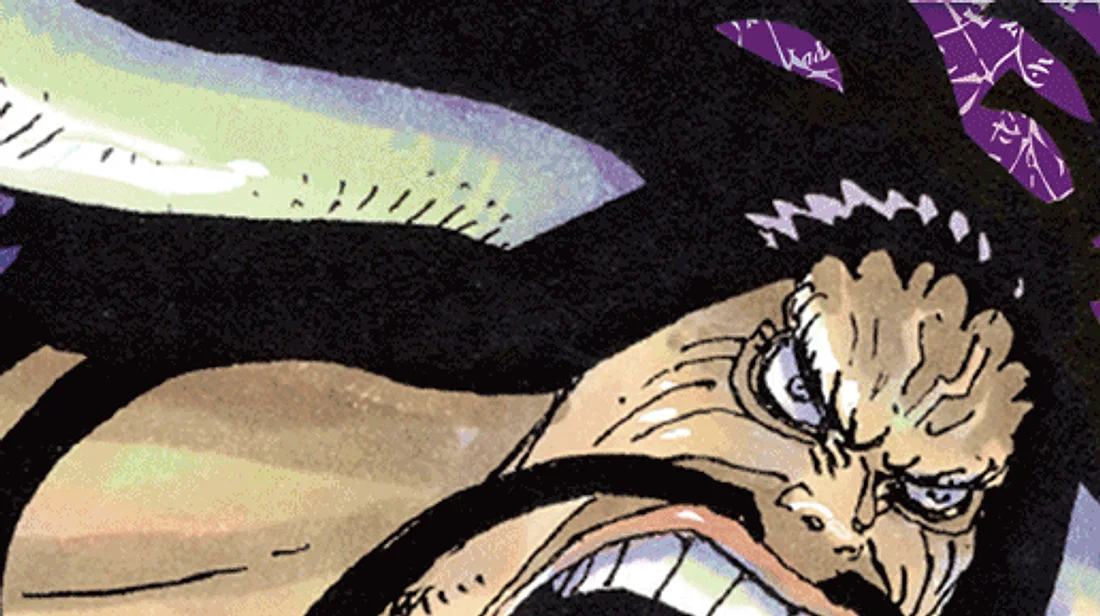
Kaido appears in two main forms. First as a leader, the card that defines your deck and sits apart on the playing area: you will find him in the ST04 starter deck, dedicated to the Beasts Pirates, and in the game's very first booster set under the code OP01-061. Second as a character, a card played from your hand, with versions in several sets, notably OP04, OP05, OP08 and OP17.
On top of these base cards come the alternate art versions, also called parallels. They keep the same code and the same game effect, but change the artwork, the framing or the finish. This is where collector interest is concentrated: a parallel is harder to pull from boosters, and it usually looks far more spectacular in a frame than the standard version.
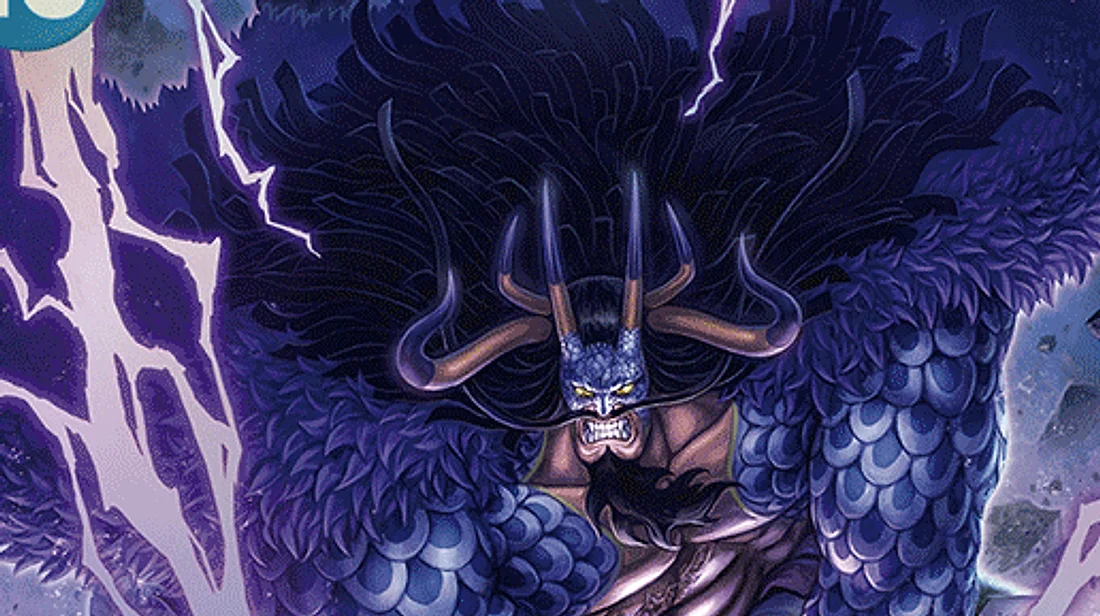
Finally, the SEC, short for secret rare, is the highest rarity in a set for character cards. Kaido has one with OP05-118, which also comes in alternate artworks. It is the most coveted card in our Kaido selection, and the one we recommend first for a display.
- ST04-001: Kaido leader from the starter deck, rarity L
- OP01-061: Kaido leader from the first booster set, rarity L, also exists as a parallel
- OP04-044, OP08-079, OP17-058, OP17-062: Kaido character cards with alternate artworks
- OP05-118: Kaido as a SEC, with several alternate artworks
Leader, character or SEC: which Kaido card for which goal?
The right card depends on what you want to do with it. A player building a deck around Kaido needs a playable leader, and the standard version is more than enough, since its effect is identical to the parallel's. A collector, on the other hand, looks for the rarity of the object and the strength of the artwork, two criteria where the SEC and the parallels clearly dominate.
For a gift or a first display piece, the best compromise is often a character in alternate art: it delivers the look of a rare card at a price that is generally more accessible than the SEC. The table below sums up our criteria without any invented figures. These are trends on the Japanese market, to be checked card by card on each product page.
One last criterion matters: the consistency of your collection. If you already collect the Emperors, a Kaido with the same finish as your other pieces will look better on a wall than an isolated card, even a rarer one. Think series before thinking single card.
| Version | Best for | Rarity of the object | Display impact | Watch out for |
|---|---|---|---|---|
| Standard leader (ST04-001, OP01-061) | Playing, starting out | Low | Decent | Little appeal for a display |
| Parallel leader (OP01-061_p1) | Historical collection | High | Very strong | Check the artwork |
| Character in alternate art (OP04-044, OP08-079, OP17) | Gift, first piece | Medium to high | Strong | Compare the _p1, _p2, _p3 variants |
| SEC (OP05-118 and its alternates) | Centrepiece | Very high | Outstanding | Insist on condition A |
Which Kaido card should you buy first for a collection?
Our verdict: the OP05-118 SEC in alternate art is the Kaido card to target first if your budget allows. It combines the two criteria that keep a card desirable over time, the highest rarity of its set and a major character from the Wano arc, one of the most popular arcs of the saga. Its _p1 and _p2 variants each have their own artwork, so pick the one you will enjoy looking at every day.
Second choice: the OP01-061 leader in its parallel version. It comes from the game's very first booster set, which gives it symbolic value for collectors who like to go back to the origins of a card game. It is an original card in the literal sense, and that status cannot be replaced by any later reprint.
Third option: the alternate artworks of the characters OP04-044, OP08-079 or OP17-062. They give you a spectacular Kaido in a frame for a generally more moderate outlay. The OP17 versions have another advantage: several different artworks exist for the same code, which lets you build a small, coherent series on a wall.
How do you recognise the right version of a Kaido card?
The most common trap is relying on the code alone. OP17-062, for example, is available from us in three alternate artworks: the code is the same, and so is the effect, but the artwork and its appeal to a collector differ. Before buying, always look at the photo of the card and compare it with the other variants of the same code.
Do not rely on the rarity symbol alone either. Two cards with the same code can carry very different prices depending on the artwork, and a parallel can be worth far more than the standard version that shares its reference. It is the artwork, not the rarity alone, that gives a parallel its value in collectors' eyes.
Finally, make sure it really is a Japanese card: Japanese text, and a code identical to the English version. On OPCG Gallery, every card shown is a Japanese card genuinely on sale in Japan, bought when you order, with the photo and the condition stated by the Japanese shop.

What condition should you insist on for a rare Kaido card?
Japanese shops grade each card's condition on a simple scale: A for a near mint card, A- for very good, B for good with visible wear, C for fair. This information is valuable because it lets you choose with full knowledge instead of discovering a flaw when the parcel arrives.
Our rule: for a SEC or a parallel intended for display, insist on condition A, or A- at the very least. A mark on a valuable card shows under glass and weighs on resale. For a standard leader you plan to play with, condition B is perfectly reasonable, since the card will spend its life in a sleeve.
If you are thinking about grading later, you must start from condition A. The grade depends on corners, edges, surface and centring, and a card that is already marked has practically no chance of earning a high grade.
- A: near mint, for a display or future grading
- A-: very good, a sound compromise for a parallel
- B: good, visible wear, for playing
- C: fair, best kept for play
Why choose Kaido in Japanese rather than in English?
Sets are released in Japan first, which gives collectors of Japanese cards a head start. These cards are also often appreciated for their print quality, and many European collectors prefer them for the look of the Japanese text, which is more discreet and lets the artwork breathe.
On price, Japanese cards are often more affordable than their English equivalents for the same artwork, although this should be checked card by card. For Kaido, who has many rare versions, this frequently means you can aim for a parallel where the same budget would only cover a less rare version in English.
The downside: without speaking Japanese, you need a reliable intermediary to buy in Japan. That is exactly our role. We buy the card from Japanese shops and platforms when you place your order, then ship it to Europe. Shipping costs €4.20 and is free from €30.
How should you protect and display a Kaido card?
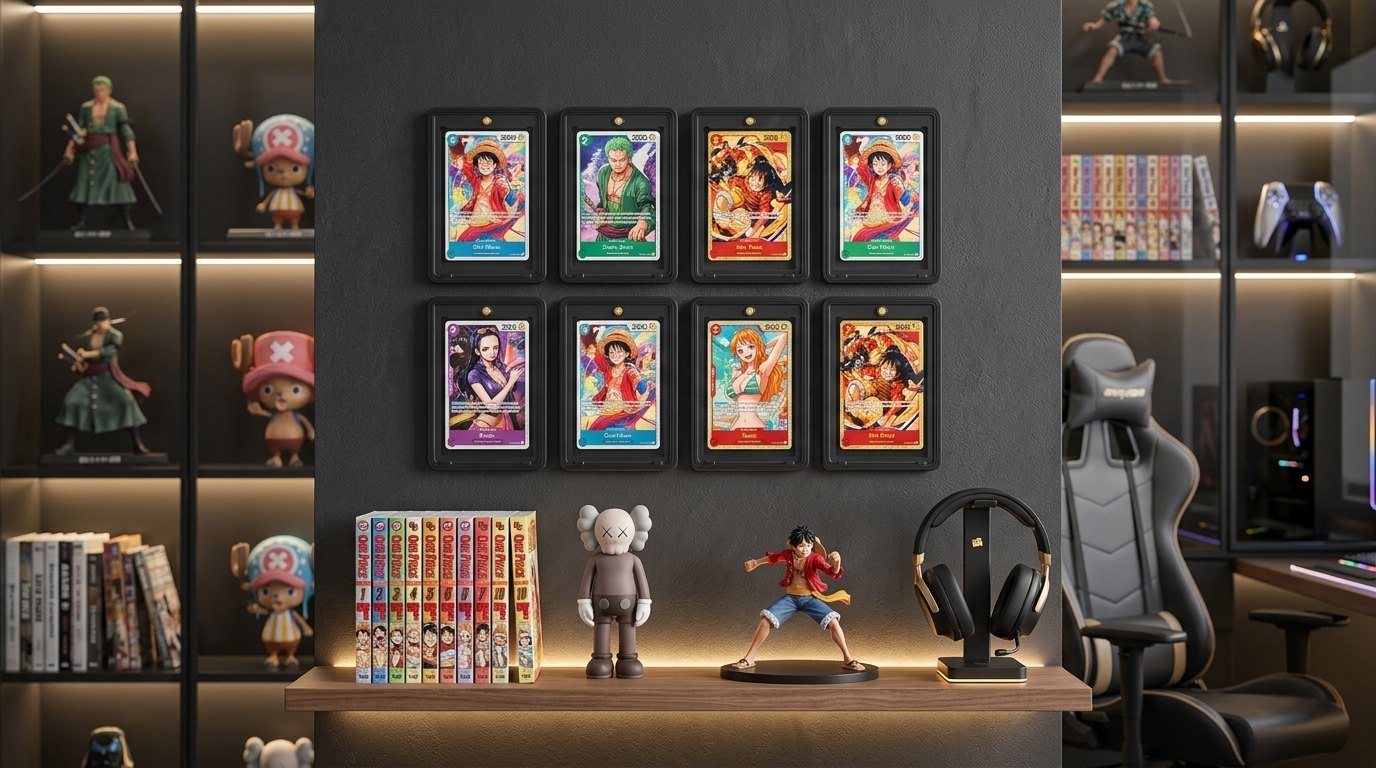
A rare card should never stay bare. Slip it into a sleeve first, then into a rigid holder. Our one-touch magnetic frame in aluminium, with double glass, in black or white, protects the card from scratches and dust while showing it off. It costs €24.80 each, and when you buy two frames, the third is free.
Black brings out Kaido's typically dark and powerful artworks, while white suits a bright interior better. The frames snap together face to back to stack, stand upright like books on a shelf, and attach side by side on a wall with an adhesive magnetic strip, 1 m for €15 or 3 m for €29, with no drilling.
If you have your Kaido graded, the PSA slab compatible version, at €34.80 and sold empty, holds the card in its case. A simple idea for a great wall: bring together the leader, a character parallel and the SEC in three aligned frames, to tell the character's story through his different artworks.
For a Japanese One Piece Kaido card, our verdict comes in three tiers: the OP05-118 SEC in alternate art as the centrepiece, the OP01-061 leader as a parallel for its historical value, and the alternate artworks from OP04, OP08 or OP17 for a first spectacular Kaido on a moderate budget. Insist on condition A for display, always compare the artworks of a single code, and protect the card as soon as it arrives. Next step: browse our Japanese Kaido cards in stock, pick the artwork that speaks to you, and add its magnetic frame to the same order so you only pay shipping once.
Frequently asked questions
What is the rarest Kaido card in the One Piece Card Game?
Among the Kaido cards in our selection, the OP05-118 SEC in alternate art is the rarest, as it combines secret rarity with a parallel version. The other Kaido parallels, such as the OP01-061 leader, are also highly sought after.
What is the difference between the Kaido leaders ST04-001 and OP01-061?
They are two separate leader cards: ST04-001 comes from a starter deck dedicated to the Beasts Pirates, OP01-061 from the game's first booster set. For a collection, OP01-061 has the advantage of existing as a parallel, which is far more sought after.
What do _p1, _p2 and _p3 mean after a Kaido card code?
On our site, these suffixes distinguish the alternate artworks of the same card. The game effect does not change, but the artwork does. Compare the photos before choosing.
How much does shipping a Japanese Kaido card cost?
Shipping for cards and frames costs €4.20 and is free from €30. You only pay shipping once per order, so you can add a magnetic frame without any extra delivery cost.
Read next

Buying guides
Buy One Piece cards as singles: the math that beats opening boosters
Buying a single One Piece card usually costs less than opening boosters to chase it. Here is the calculation, the exceptions and a clear method.
November 13, 2026

Buying guides
Buying Japanese One Piece cards from Europe: the complete guide
Where to buy Japanese One Piece cards in Europe, what they really cost once delivered and how long they take: a clear method to buy without bad surprises.
November 13, 2026
Buying guides
Japanese or English One Piece booster: differences and which to choose
Japanese or English One Piece booster? Real differences in content, price, rarity and resale, and which version to pick for your goal.
November 13, 2026