
Fake One Piece booster: the warning signs to check before you buy
Published on November 13, 2026 · 8 min read

Key points
- A counterfeit One Piece booster can almost always be spotted through several signs at once: the shrink wrap, the crimps, the print quality, the price and the seller's profile.
- A resealed booster is a genuine pack that was opened, emptied of its rare card and glued shut again. Uneven crimps, glue marks or a warped surface give it away.
- A genuine Japanese display holds 24 boosters of 6 cards under a thin, tight factory shrink wrap. Thick, wrinkled or badly sealed wrap is a warning sign.
- The safest way to avoid fakes is to buy sealed product from an identifiable seller who sources in Japan and commits to refunds in writing.
You have spotted a One Piece display at a surprising price, or a few Japanese boosters sold individually by a private seller, and something holds you back: what if it is fake? That caution is justified. For several years the One Piece Card Game has drawn collectors from all over the world, and anything in demand ends up copied, resealed or repacked. Fraudsters mostly target sealed product: to check the cards you have to open it, and then it is no longer sealed.
In short: a counterfeit booster almost always gives itself away through several signs together, rarely through just one. The display's shrink wrap, the booster crimps, the print quality, the price and the seller's profile make up a reliable checklist. This guide goes through it point by point. It also separates true counterfeits from resealed or searched packs, and shows you how to buy without taking that risk.
How do you spot a counterfeit One Piece booster at a glance?
Start with one rule: no single sign is enough to decide, but three matching signs are enough to walk away. A fake booster copies the overall design. However, counterfeiters almost always cut corners on what is expensive to reproduce: the quality of the wrap, the precision of the print, the finish of the crimps and the card stock. That is where you should look.
Keep photos of a genuine product from the same set close at hand, taken from the front, the back and the edges. Without experience, a side by side comparison is the most reliable method: colours, position of the Bandai logo, Japanese typography, set code (OP, EB, PRB, ST) printed in the right place. A different shade, a blurry logo or a slightly different font are serious red flags.
Finally, look at the context of the sale before the product itself. These signs often point to a counterfeit: a price well below market, a set not yet released in Japan offered as in stock, stock images instead of real photos.
- Price well below market with no credible explanation
- Display wrap that is loose, thick, wrinkled or badly sealed
- Booster crimps that are crooked, glued or flattened
- Dull or oversaturated colours, blurry print, misplaced logo
- Sloppy Japanese text or an unusual font
- Seller with no history, generic photos, payment without buyer protection

Counterfeit, reseal, repack: what is the difference for a buyer?
Not every scam is a counterfeit in the strict sense. A counterfeit is made without Bandai, cards included. A resealed booster is a genuine pack that was opened, stripped of its valuable card and glued shut again. A rewrapped display is a real box, sometimes partly emptied or topped up, put back under wrap that is not the factory original.
Another practice is harder to see: boosters sold individually after being sorted, for example weighed or inspected to pull out the ones with a rare card. The pack is genuine, but your odds are no longer those of a booster drawn at random from a fresh display. For you, the result is the same: you pay a sealed price for weaker contents.
The table below sums up the most common cases and what each one means for you.
| Case | What it is | Typical sign | Risk for you |
|---|---|---|---|
| Counterfeit | Product made without Bandai, cards included | Blurry print, wrong colours, flimsy cardboard | Cards with no collector value at all |
| Resealed booster | Genuine pack opened, emptied and glued shut | Uneven crimp, glue marks, warped pack | Rare card removed, worthless contents |
| Rewrapped display | Real box put back under non-factory wrap | Thick wrap, rough folds, wide visible seam | Packs missing, swapped or resealed |
| Searched booster | Genuine pack sorted before sale | Single packs sold without their original display | Much lower pull odds |
| Repack | Cards bundled in unofficial packaging | No Bandai branding, vague contents | Real value below the price paid |
What warning signs should you check on a sealed display?
The display is the favourite target: it represents a large sum, and buyers hesitate to open it in front of the seller. A genuine Japanese display holds 24 boosters of 6 cards. Its factory wrap is thin, tight and clear, with neat folds and discreet seams. Replacement wrap is often thicker, shinier or softer, with bubbles, messy folds or a wide, rough seam along one side.
Then look at the box itself through the wrap: sharp edges, precise print, colours that match the set's official images. Several details should stop you: cardboard that gives under light pressure, crushed corners under spotless wrap, a box that looks like it has been opened and closed again. Always ask for real photos of all four sides and the bottom.
When you open it, film the whole thing in one take, from intact wrap to the last pack. Check that all 24 boosters are there, all identical in appearance, with none softer or more crumpled than the others. If you ever need to file a claim, this video will be your best evidence.
Pre-order
OP18 booster display (Japanese)
129,00 €
View the productHow do you spot a resealed or counterfeit booster?
On a single booster, it all comes down to the top and bottom crimps. Straight from the factory, they show even, straight ridges of constant width. A resealed pack often shows a crooked crimp, wider on one side or flattened, or glue traces that catch the light. Gently run a finger along the edges: an area that feels too stiff, or that is coming apart, is suspicious.
Look at the surface too. A pack that has already been opened sometimes keeps small creases near the top, a slight ripple or a warped look. On a counterfeit, the print gives the forger away: a less sharp illustration, patchy colour areas, a metallic finish that is missing or too dull, a logo and set code that are off centre. The Japanese text may also contain badly formed characters, or a font that does not match other Bandai products.
If you buy several boosters, compare them with each other. In a genuine batch, the finish is strictly identical. A pack that is thicker, thinner or a different shade in the middle of the batch should be set aside, or raised with the seller before you pay.

Can the cards themselves reveal a counterfeit?
Yes, and that is often where your doubt is confirmed. A genuine card has a back of consistent colour, a clean cut, and stiff card stock that springs back into shape. A fake card is often thinner or glossier. Its back is slightly off colour, its edges may be fuzzy, and its smooth texture feels nothing like the other cards in your collection.
On rares, the difference is even easier to see. The holographic finishes of SR, SEC and parallel cards follow precise patterns. A counterfeit often replaces them with a uniform shine, too rainbow-like or dull. Compare with a genuine card of the same rarity, under the same light, rather than relying on memory. Also check the copyright line at the bottom of the card and the sharpness of the small print: forgers are rarely precise there.
Stay careful about your conclusions: genuine cards sometimes have an isolated misprint too. What matters is the pattern. If several cards from the same pack show the same flaws, there is no longer any doubt.
Price and seller: which signs can you read before even seeing the product?
Most bad deals can be spotted before you buy. A display priced well below what reputable shops charge is almost never a bargain: either the product is dubious, or the seller will vanish. The same goes for a set listed as available now when it has not yet come out in Japan, where official products always release first.
Then look at who is selling: how long they have been active, their sales history on this type of product, an identifiable address and legal details, real stock photos rather than official images. Be wary of a seller who refuses an extra photo, rushes you to close the deal or insists on a payment method with no buyer protection. A serious seller answers precisely and has no reason to hide the product.
- Compare the price across several established sellers before deciding
- Ask for real photos with a note showing today's date
- Choose a payment method that protects the buyer
- Check the set's official Japanese release date
- Read the refund terms before you pay
Where can you buy a Japanese One Piece display without the risk of fakes?
The best protection is a shorter chain of middlemen. Genuine Japanese products go first through distributors and shops in Japan. The more times a product changes hands, the higher the risk of resealing or rewrapping. So buy from an identifiable shop that sources in Japan and commits in writing to authenticity and refunds.
That is how OPCG.Shop works: it sells Japanese displays, boosters and pre-orders. A pre-order is paid in full, then refunded in full if the product does not reach us. For example, the Japanese OP18 Display is on pre-order there at 129 €. Shipping for sealed product costs 6.90 €, and it is free from 199 €. If you are after one specific card, buying singles also settles the question: you see the exact card you are buying, with its stated condition.
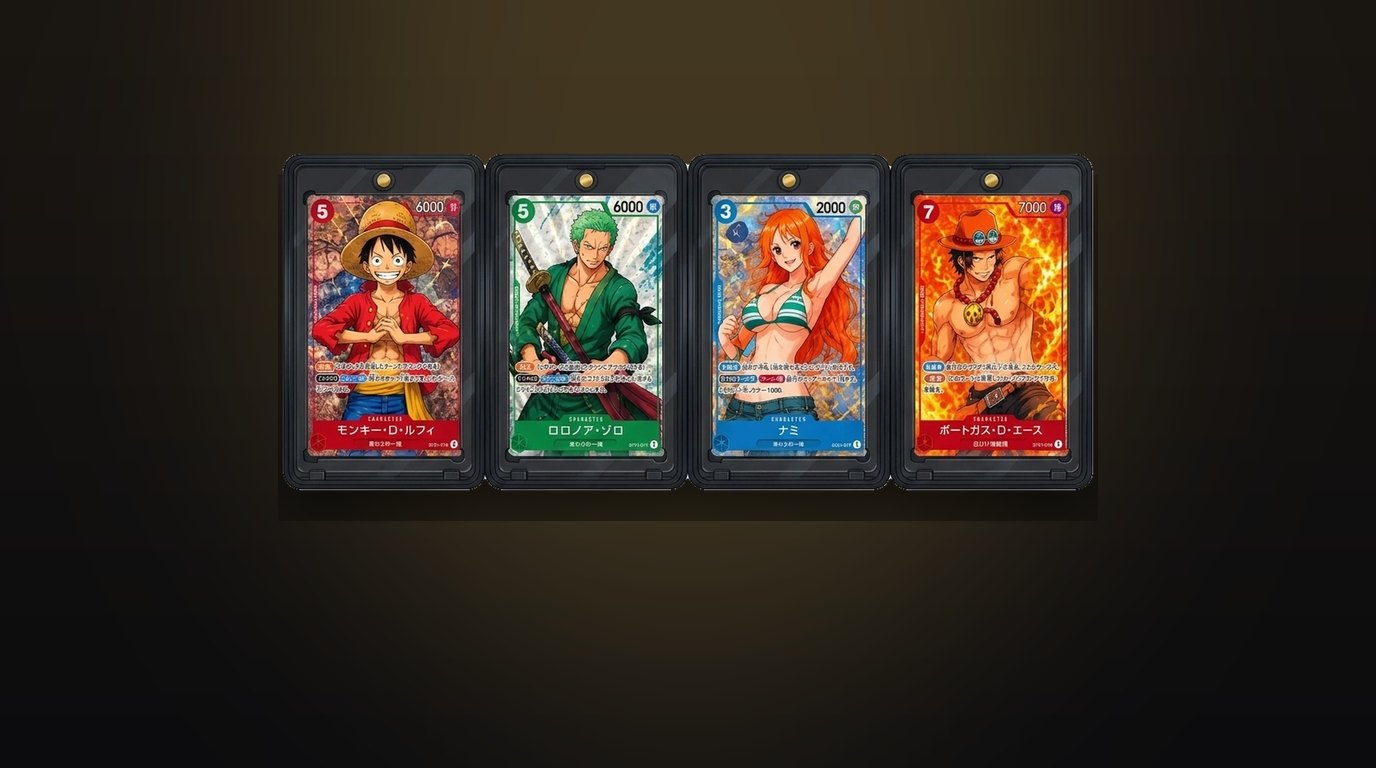
If you still think you have received a fake, do not open the other products in the batch, and keep the packaging and the video. Write to the seller first, then, if needed, open a dispute with your payment provider or the platform you used. Once you have your genuine cards, protect them: a sleeve first, then a frame such as our magnetic frame, so you can display them without damage.
The verdict is simple: a counterfeit booster or display is rarely given away by one detail, but almost always by a cluster of clues. A price too good to be true, irregular wrap or crimps, sloppy print, a vague seller: as soon as three of these signs add up, walk away. After that, three practical habits. Keep reference photos of the set you are after. Film every opening. Buy your sealed product from a seller who sources in Japan and refunds if anything goes wrong, such as OPCG.Shop, where the Japanese OP18 display is on pre-order.
Frequently asked questions
Do fake Japanese One Piece boosters really exist?
Yes. Any product in demand gets copied, and sealed One Piece product is no exception: you will find true counterfeits as well as genuine boosters resealed after being emptied. The risk grows with distance from the source and the number of middlemen.
How can I check a sealed display without opening it?
Examine the wrap (thin, tight, neat folds, discreet seams), then the condition and print of the box, comparing with photos of a genuine display from the same set. Ask for real photos of all four sides and the bottom. No outside check is foolproof, so the choice of seller remains decisive.
What should I do if I received a counterfeit booster?
Keep everything: packaging, wrap, cards and, if possible, the opening video. Write to the seller with photos attached. If they offer no solution, open a dispute with your payment provider or the platform.
Does a single card carry the same risk?
The risk exists, but it is easier to manage: you see the actual card, its front, its back and its condition. With a seller who buys in Japan and states the condition of each card, you know exactly what you will receive.
Read next

Authenticity and condition
Online card selling scams: spot the traps and buy safely
Online card selling scams: the 8 most common traps, the warning signs to watch for and a simple method to buy your cards safely.
November 21, 2026

Authenticity and condition
One Piece card centering: how to measure it and what it does to value
Centering affects a One Piece card's grade and price. How to measure it, how to read it on a listing photo, and when it barely matters at all.
November 21, 2026

Authenticity and condition
One Piece card sleeve size: the right fit and how to sleeve properly
One Piece cards measure about 63 × 88 mm: use standard or perfect fit sleeves, never small ones, and sleeve them without forcing. Here is how.
November 20, 2026