
Cheap One Piece cards: where to find beautiful Japanese cards on a budget
Published on November 13, 2026 · 7 min read

Key points
- Beautiful cheap One Piece cards are mostly found among R cards, regular SR versions and standard leaders, not among SEC, SP or manga-style alternate arts.
- For the same card, the Japanese version of a One Piece card is often cheaper than the English one, with a print quality that collectors rate highly.
- For a One Piece card meant for a frame, B condition (good, visible wear) is often a smart compromise, because small marks are hard to see behind glass.
- To get one specific One Piece card, buying singles is almost always cheaper than opening boosters, whose contents are never guaranteed.
You want a beautiful One Piece card, an illustration with real character, without paying Secret Rare or manga art prices. Good news: the Japanese One Piece Card Game is full of superb cards sold cheaply, as long as you know where to look. A card's price has little to do with how good it looks. It mostly depends on rarity, the character's popularity, tournament play and condition.
The short answer: target R cards and regular SR versions, standard leaders, well illustrated secondary characters and older or heavily opened sets, then accept B condition when the card is going on display. Buy singles rather than boosters, and group your purchases to unlock free shipping. Here is the full method, along with the traps to avoid.
What makes a cheap One Piece card actually worth buying?
A cheap card is not automatically a good deal. A good deal is the gap between what the card gives you (a strong illustration, a character you love, a clean look once framed) and what it costs. A cheap common that ends up at the bottom of a box gives you nothing. A well drawn SR, bought at a fair price and displayed on a shelf, gives you a lot.
To judge, look at the artwork full size first, not the thumbnail. Then check the exact rarity and version: the same card can exist as a regular and a parallel version, at completely different prices. Finally, compare the stated condition and the final price including shipping. A card that looks like a bargain but arrives with heavy fees is no longer a bargain.
Keep one simple rule in mind: price follows the demand from players and collectors, not the quality of the drawing. That mismatch is exactly what creates good deals for anyone who buys with their eyes rather than the market chart.
- Artwork you like at full size, not just as a thumbnail
- A clearly identified rarity and version: code, rarity, regular or parallel
- A condition that fits the use: display, play or binder
- A final price, shipping included, in line with other copies
Which rarities give the best looks for the money?
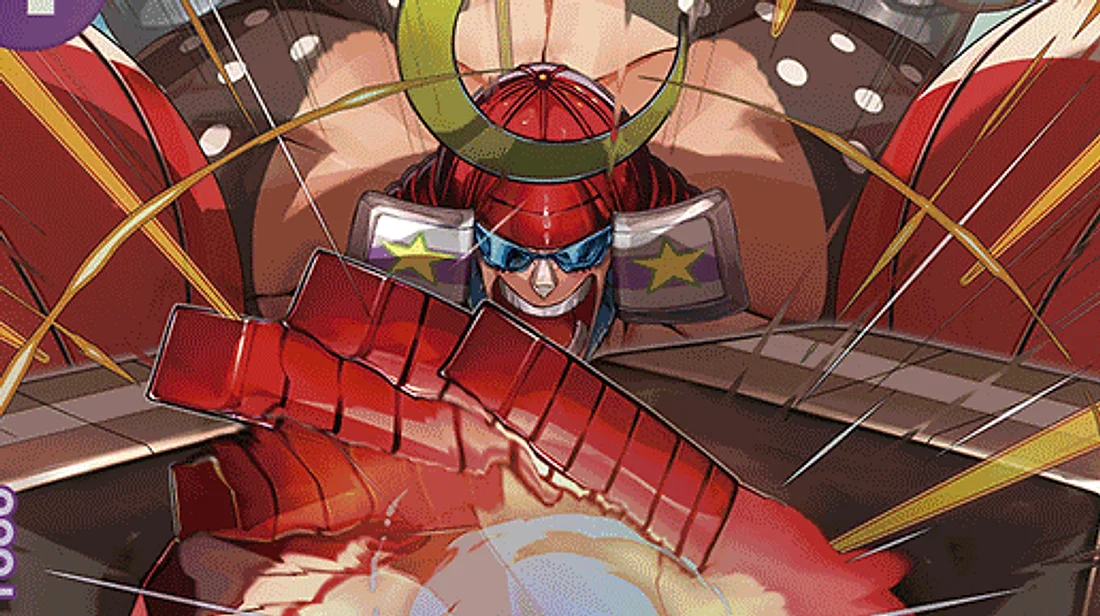
In the Japanese game, rarities range from C and UC up to SR, SEC, L and SP, plus P promo cards and parallel versions. Prices climb steeply as soon as a card is hard to pull and in demand. The sweet spot for a small budget sits just below the top: R cards, regular SR versions and standard leaders.
Regular SRs are often the best compromise: detailed artwork, a polished foil effect, and a rarity that turns up regularly in a booster box, which keeps prices in check. Leaders (L) have the advantage of showing main characters, which read very well on display. Their standard version usually stays affordable, while the parallel version climbs fast.
On the other hand, SEC, SP and manga-style alternate arts are the pieces everyone wants. They are rarely cheap, and an unusually low price on one of them should worry you rather than excite you.
| Rarity | Visual impact | Usual price | Best for |
|---|---|---|---|
| C / UC | Simple, classic artwork | Very low | Play, getting started |
| R | Clean, sometimes excellent | Low | Small budget, binder |
| SR (regular) | Detailed, foil effect | Often affordable | Budget display |
| L (standard) | Main character, very readable | Often affordable | Frame, crew collection |
| Parallel, SEC, SP | Spectacular | High to very high | Centrepiece |
Are Japanese One Piece cards cheaper than English ones?
Very often, yes, for the same card. Sets come out in Japan first, the Japanese market is deep, and the same card circulates there in large numbers. As a result, for many mid-tier rarities, the Japanese version sells for less than the English one. It is not an absolute rule and some cards are exceptions, but the trend is clear for collectors.
Japanese print quality is also highly valued by collectors, and Japanese text does not get in the way on display: people look at the artwork. If you play, card effects are easy to look up using the code printed on the card.
The real obstacle is access. Buying directly from Japanese shops and platforms means a proxy service, extra fees and sometimes import charges. That is what our Japanese singles make simple: the card, genuinely for sale in Japan, is bought when you order, with a price shown upfront in euros, VAT included.
Which characters and sets hide the best deals?
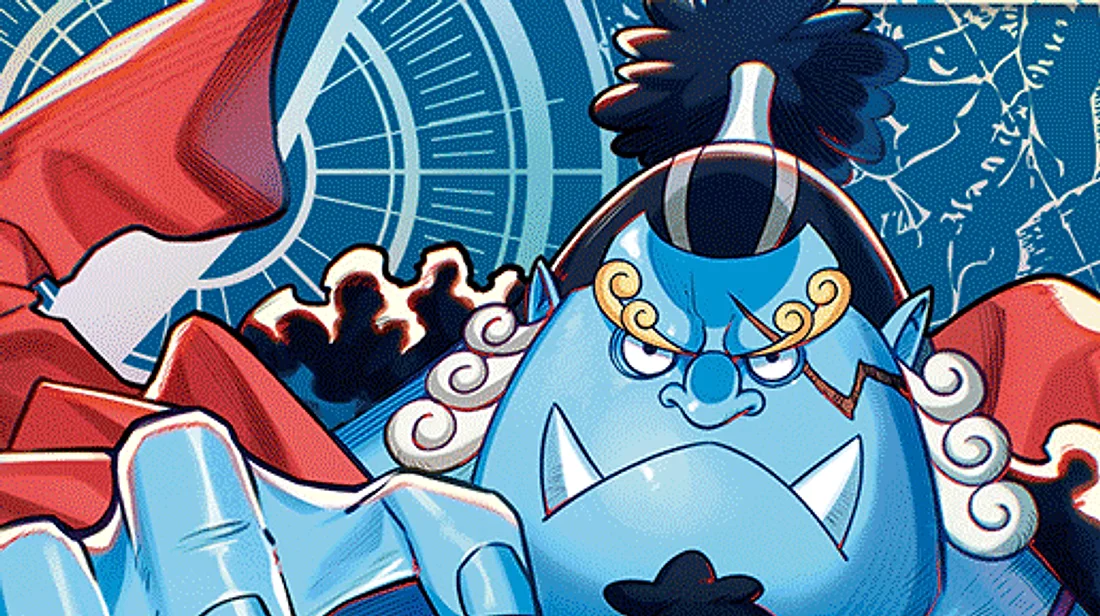
Stars like Luffy, Shanks, Ace or Yamato attract most of the demand. Their headline versions are expensive, but their R, regular SR or standard leader versions often stay affordable. If you love a very popular character, look for a modest version instead of giving up.
Secondary characters are the real gold mine. Lesser known crew members, Navy officers, Worst Generation pirates, figures from Wano: many have superb artwork and weak demand, so low prices. For a themed display, they bring variety at a small cost.
As for sets, older or heavily opened ones often see their mid-tier cards settle at gentle prices, especially when they see little tournament play. Starter decks (ST) also contain well illustrated cards that are often very affordable as singles. Finally, the meta matters: a card that drops out of competitive play often gets cheaper, while its artwork has not changed at all.
Should you accept B or C condition to pay less?
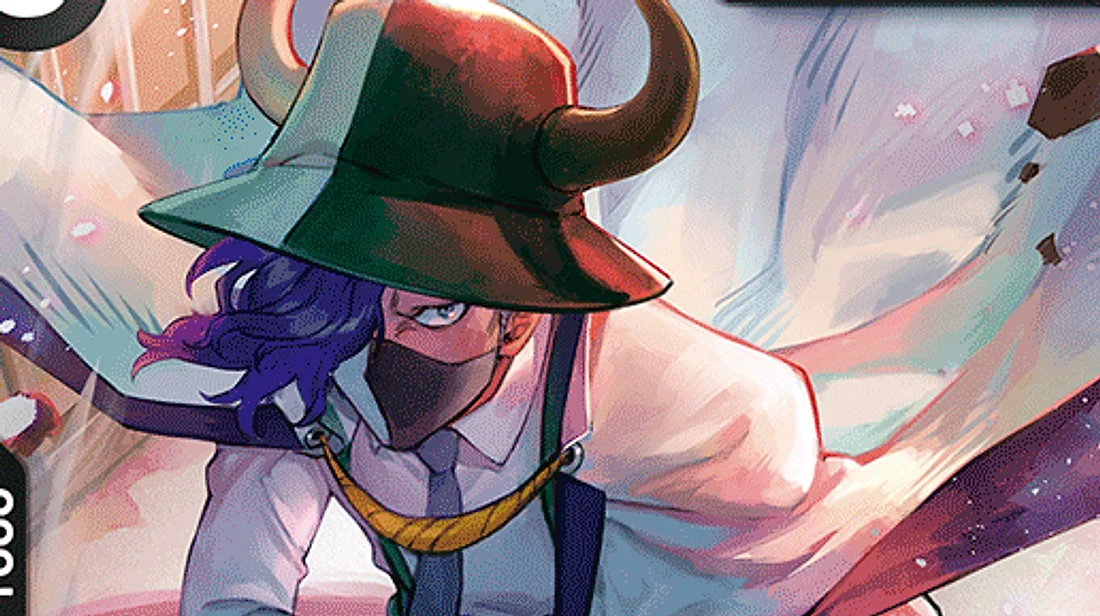
Japanese shops grade cards in four conditions: A (near mint), A- (very good), B (good, visible wear) and C (fair). A difference in condition often means a difference in price, especially on sought-after cards. For a card that will go into a frame, B condition is often an excellent compromise.
Why? The typical marks of a B card, such as light edge wear or a tiny surface scratch, mostly show up close and under raking light. Behind double glass, from a metre away, they largely disappear. However, if you plan to get the card graded or resell it later, choose A or A-.
C condition is best kept for play, or for cards you absolutely want to complete a set. For a display piece it is rarely the right call: the money saved does not make up for a visible flaw.
Boosters, booster box or singles: which is the cheapest route?
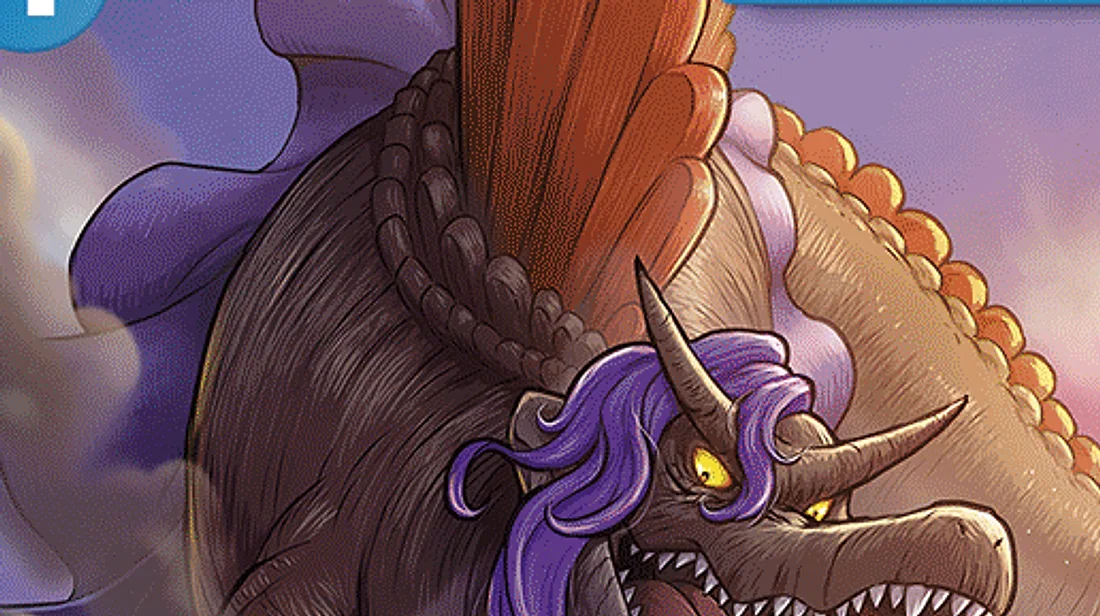
To get a specific card, singles win almost every time. A Japanese booster box contains 24 packs of 6 cards: you pay for the whole lot, and the card you want may simply not show up. Opening boosters is a pleasure, not a way to save money.
A booster box still makes sense if you enjoy opening, want to discover a whole set or collect sealed product, and OPCG.Shop is there for that. But if your goal is a beautiful card at a fair price, buy it directly as a single, choosing the version and the condition.
In between, the Mystery Box offers a draw of genuine Japanese cards, bought in Japan and then shipped. It is a fun way to discover cards with a surprise element, best seen as a treat rather than a calculation.
- Pick the character or artwork you like
- Find its most modest version: R, regular SR or standard leader
- Compare condition and price across several copies
- Group several cards to reach 30 € and free shipping
How do you make a budget card look like a collector's piece?
A cheap card gains enormously from good presentation. Sleeved and placed in a double glass one-touch frame, an SR or a leader takes on a presence a binder never gives it. On display, it is often the presentation, more than the rarity, that creates the effect.
Our aluminium magnetic frame, in black or white, costs 24.80 € each, and the third one is free when you buy two. The frames snap together front to back to stack, stand upright like books, or sit side by side on the wall using an adhesive magnetic strip, with no drilling.
A collector's tip: build a wall around a theme, whether a crew, a colour or a set. Three or four consistent mid-tier cards create a stronger effect than a single expensive card on its own, often for a much more reasonable budget.
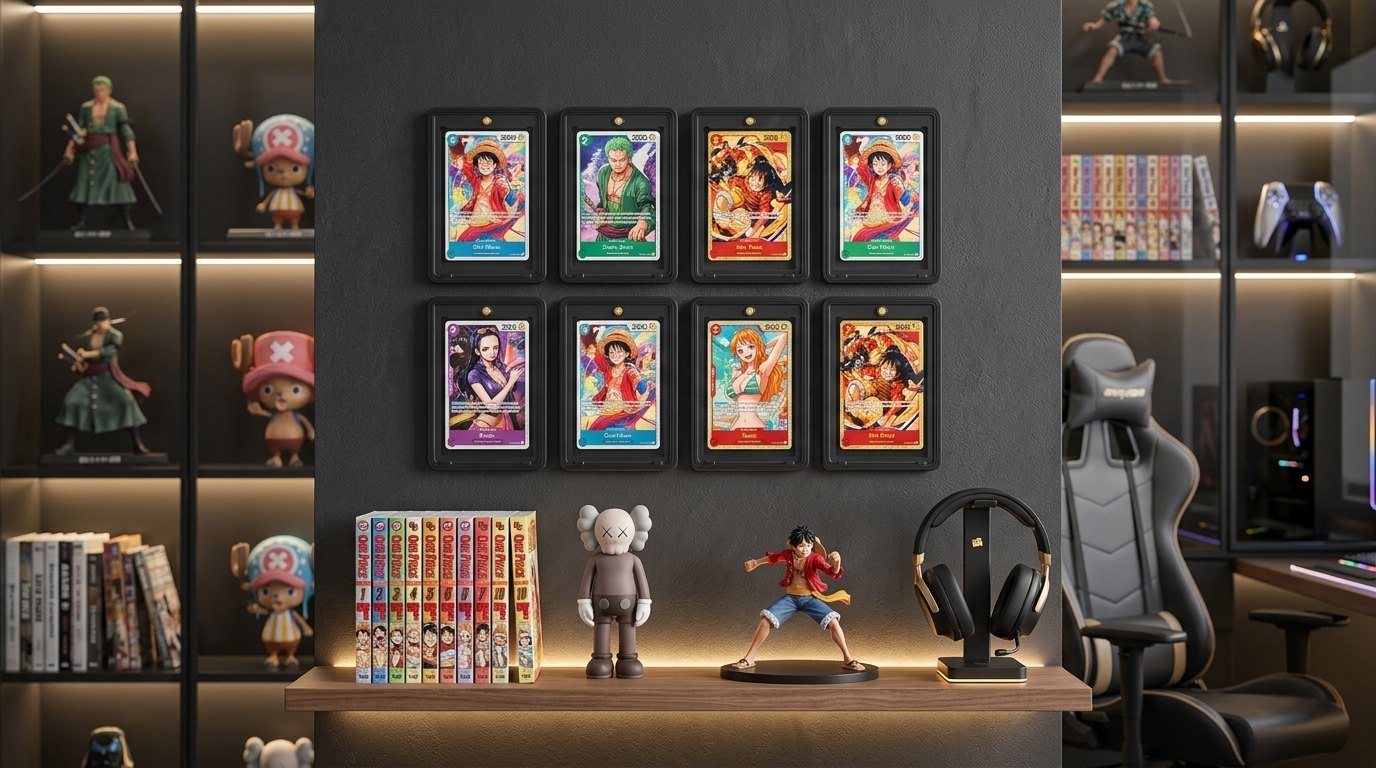
Verdict: beautiful, cheap One Piece cards do exist, and you will mostly find them in Japanese, among R cards, regular SRs, standard leaders and secondary characters, in A- or B condition if they are headed for a frame. Be wary of prices that look too good on SEC and manga cards, buy singles rather than boosters, and group your purchases to reach 30 € and free shipping. Your next concrete step: pick three characters you love, look for their most modest version among our Japanese cards, and build your first framed row.
Frequently asked questions
Where can I buy cheap One Piece cards in Europe?
The simplest option is to buy Japanese singles from a seller who sources them in Japan and shows a VAT-inclusive price in euros. You choose the exact version and condition without handling a proxy service yourself. On our site, card shipping costs 4.20 € and is free from 30 €.
Are cheap Japanese One Piece cards trustworthy?
Yes for mid-tier rarities, which are rarely counterfeited precisely because they cost little. Be most careful with SEC, SP and manga cards sold far below other offers. Always check the code, rarity and stated condition.
Which rarity should I choose for a beautiful cheap One Piece card?
The regular SR is often the best compromise: detailed artwork, a foil effect and a generally affordable price. Standard leaders are also an excellent choice for display. Parallel, SEC and SP versions cost considerably more.
Is opening boosters cheaper than buying singles?
Not if you want one specific card. A Japanese booster box contains 24 packs of 6 cards, with no guarantee of pulling the one you want. Open for fun, buy singles to hit the target.
Read next

Buying guides
Buy One Piece cards as singles: the math that beats opening boosters
Buying a single One Piece card usually costs less than opening boosters to chase it. Here is the calculation, the exceptions and a clear method.
November 13, 2026

Buying guides
Buying Japanese One Piece cards from Europe: the complete guide
Where to buy Japanese One Piece cards in Europe, what they really cost once delivered and how long they take: a clear method to buy without bad surprises.
November 13, 2026
Buying guides
Japanese or English One Piece booster: differences and which to choose
Japanese or English One Piece booster? Real differences in content, price, rarity and resale, and which version to pick for your goal.
November 13, 2026