
One Piece alternate art cards: how to spot a parallel and avoid overpaying
Published on November 13, 2026 · 7 min read
Key points
- A One Piece alternate art card, or parallel, has the same code and the same in-game effect as the regular version: only the artwork, the finish and the rarity change.
- Not all alternate arts are equal: parallel leaders and parallel SRs are the most common, while parallel SECs, manga versions and SP cards sit clearly above them.
- The price of a One Piece alternate art card depends mainly on the character, the type of parallel, the card's condition and tournament demand, the last factor being the most volatile.
- To avoid overpaying for an alternate art card, compare several offers for the same code and condition, skip the days right after release and always reason in delivered price, fees included.
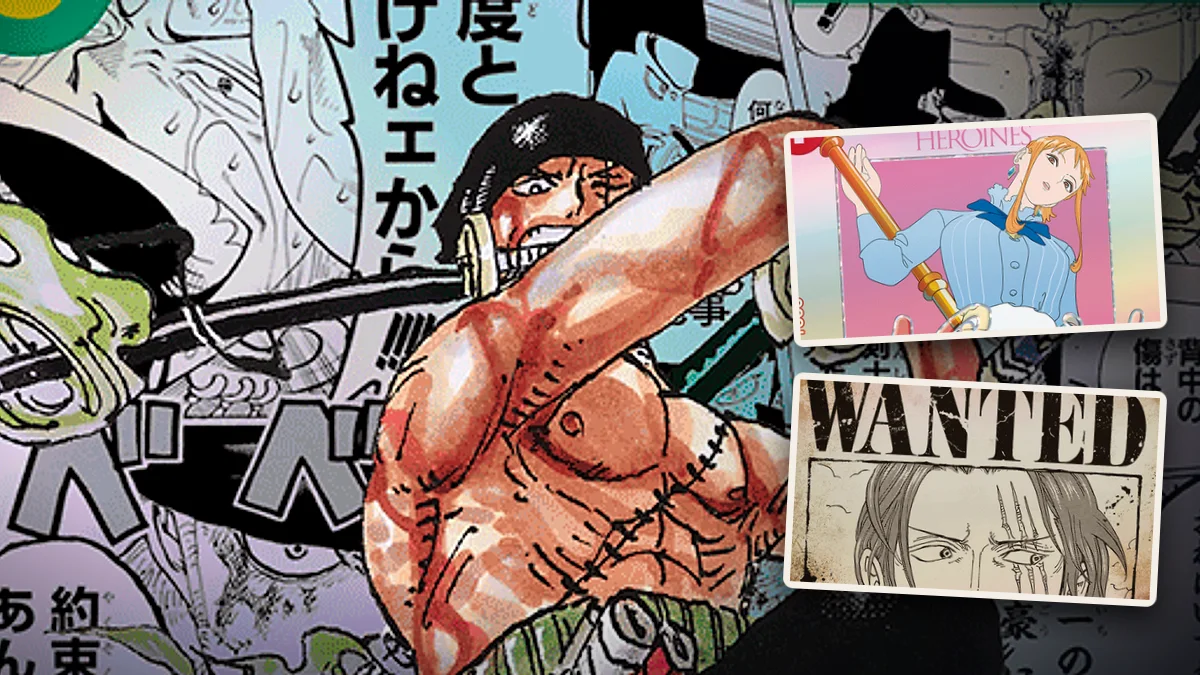
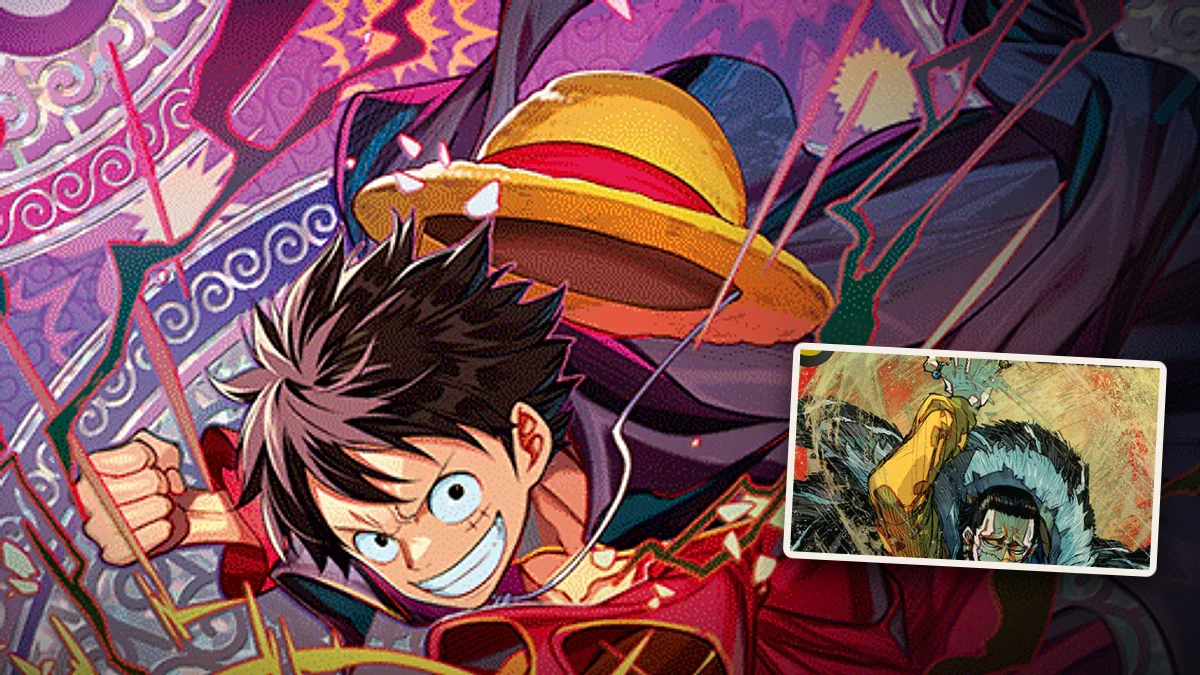
You have spotted a One Piece card with different artwork, a full-frame scene or manga panels in the background, listed far above the same card in its standard version. That is an alternate art card, also called a parallel. Same name, same code, same effect in play, yet the price gap can be huge, and the real question becomes: what exactly am I paying for?
The short answer: a One Piece alternate art card is a differently illustrated version of an existing card, rarer in boosters and printed with a special finish. It is worth its price when the artwork, the type of parallel and the condition all line up, and it gets overpaid the moment you buy in release hype without comparing or checking condition. Here is how to recognise one, what drives its price, and the method to buy at the right level.
What exactly is a One Piece alternate art card?
In the One Piece Card Game, every card carries a unique code made of the set code (OP05, EB02, ST10...) followed by a number. An alternate art card keeps that code and that effect exactly, but uses different artwork and a different print treatment. In Japan it is called a parallel; Western collectors usually say alt art. They are the same thing.
In play, nothing changes. A parallel works exactly like the regular version and counts as the same card in a deck. The whole difference is visual and tied to rarity: artwork that often fills the frame, a character shown in a new scene, a particular texture or shine, and a much rarer presence in boosters.
That is what explains the price gap. You are not paying for extra power on the table, you are paying for a collector's piece. Keeping this in mind is your first defence against overpaying: if the artwork does not truly speak to you, the regular version does exactly the same job in a game.
| Criterion | Regular version | Alternate art (parallel) |
|---|---|---|
| Card code | Identical | Identical |
| In-game effect | Identical | Identical |
| Playable | Yes | Yes |
| Artwork | Base artwork | Different artwork, often full frame |
| Finish | Standard or foil depending on rarity | Special treatment, visible texture or shine |
| Presence in boosters | Common for its rarity | Much rarer |
| Main appeal | Playing | Collecting, displaying |
What types of alternate art cards are there?
Not all alternate arts are worth the same. Japanese sets contain several tiers, and mixing them up is the most expensive mistake: you end up paying the price of a highly sought version for a far more common parallel.
Parallel leaders and parallel R or SR cards form the base: beautiful, wanted, but present in every set. Parallel SECs and so-called manga versions, with comic panels in the background, sit clearly above them. SP cards, which bring back cards from earlier sets with a special treatment, are another category of their own.
Special sets such as the EB line and the PRB01 and PRB02 premium boosters blur the picture a little, because they reprint well-known cards with new finishes. The same card can therefore exist in several alternate versions, each with its own value.
- Parallel leader (L): new artwork for the leader, often the entry point into alternate arts.
- Parallel R or SR: alternate artwork for a character or event card, widely present in sets.
- Parallel SEC: alternate version of the set's rarest card, highly sought after.
- Manga parallel: artwork set against manga pages, usually the most coveted version in a set.
- SP: a card from an earlier set reprinted with a special treatment.
- Promo (P): cards handed out at events or bundled with products, sometimes with alternate artwork.
How do you tell a Japanese parallel from a regular version?
On a Japanese card, the code and rarity are printed at the bottom, just like on the regular version. The difference shows first in the artwork: a lighter or missing frame, a background that spills over, a different pose for the character. Put both versions side by side, in photos if needed, and the gap is obvious.
Next, look at the finish. Alternate arts usually have a shiny or textured treatment that catches light differently from a standard card. Tilt the card: on a genuine parallel, the effect should be crisp and even, with no dull patches and no blurry printing.
Finally, check the set. The code tells you where the card comes from (OP, EB, ST, PRB, P), which matters for reprints: a card first released in an OP set and later reprinted in a PRB does not necessarily share the same finish or the same value. On our site, every Japanese card is listed with its code and condition, which removes any ambiguity.
- Compare the artwork with the regular version of the same code.
- Read the set code and rarity at the bottom of the card.
- Tilt the card to check the finish and print sharpness.
- Ask for sharp front and back photos when buying from a private seller.
What drives the price of an alternate art card?
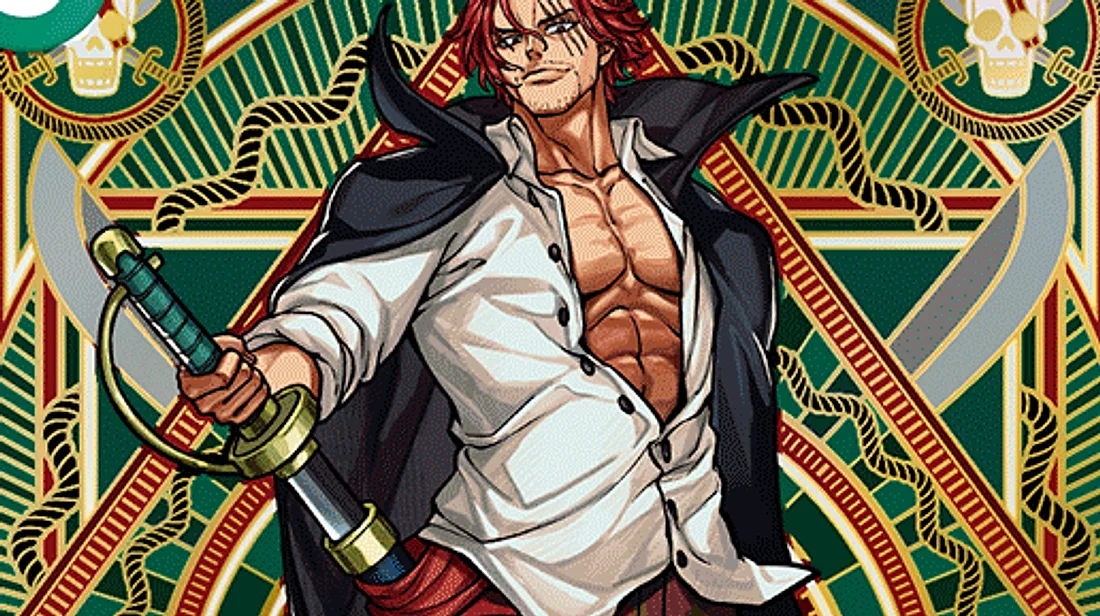
The price of an alternate art does not depend on its strength in play but on a mix of four factors: the character, the type of parallel, the condition and availability. A central character of the saga, such as Luffy, Zoro, Shanks or Nami, pushes demand upwards at equal rarity.
The type of parallel then weighs heavily: a manga version or a parallel SEC of a popular character has nothing in common with a parallel R of a supporting character. Condition comes third: a card in A condition generally trades well above one in B or C condition, especially for pieces meant for display or a possible grading.
One factor is often forgotten: playability. When a card becomes a tournament staple, its alternate version also benefits from players who want the most beautiful copy for their deck. That extra demand can fade when the meta shifts, which makes these cards the most volatile on the market.
| Factor | Weight on price | Stability over time |
|---|---|---|
| Character popularity | Strong | Fairly stable |
| Type of parallel (SR, SEC, manga, SP) | Strong | Stable |
| Condition (A, A-, B, C) | Strong | Stable |
| Tournament use | Variable | Volatile, follows the meta |
| Release effect | Strong at launch | Often fades as supply grows |
How do you avoid overpaying for an alternate art card?
Most overpayments come from three situations: buying in the days right after release, when supply is still scarce; buying from a single listing without comparing; and paying A condition prices for a card that is not in A condition. A simple method is enough to avoid all three.
Start by comparing several offers for the same card, with the same code and in the same condition. Then look at the trend rather than one isolated price: if the card has just been released, waiting for supply to settle often pays off. Finally, ask yourself whether the card is wanted for its beauty or for play, because tournament-driven demand can drop.
Think about the total cost too. A card listed at an attractive price can become expensive once shipping, customs or middleman fees are added. With us, prices are shown in euros including VAT and card delivery costs €4.20, free from €30: you know exactly what you pay.
- Identify the exact version: code, rarity, type of parallel.
- Compare several offers in the same condition.
- Avoid the days right after release, unless it is a deliberate crush.
- Separate collector demand from tournament-driven demand.
- Calculate the delivered price, fees included.
- Check the stated condition and the photos before paying.
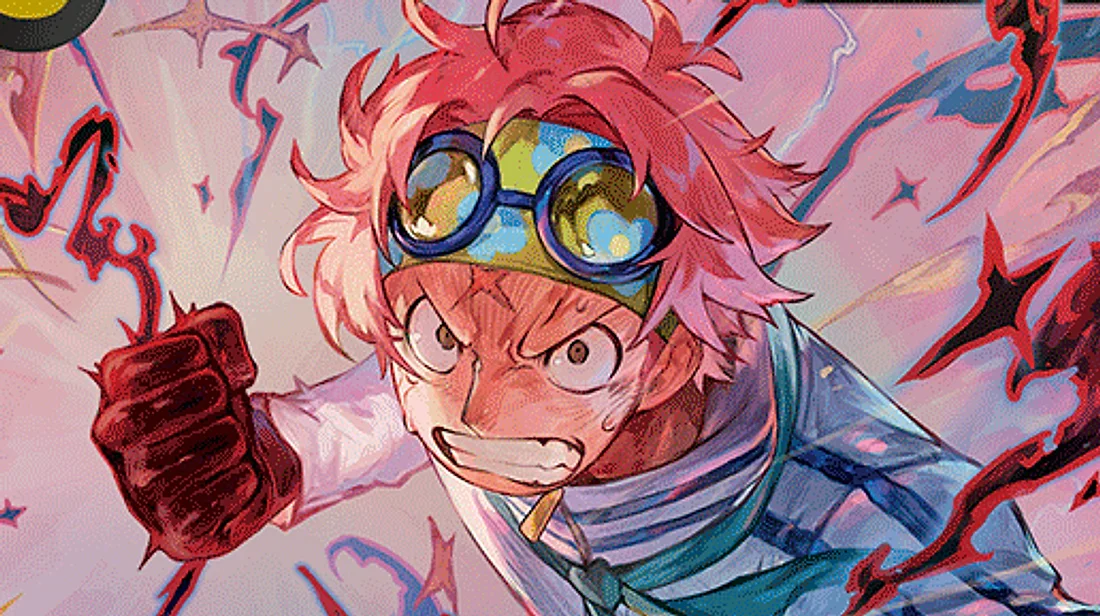
Should you choose a Japanese or an English alternate art card?
For an alternate art, the Japanese version has several strengths. Sets come out in Japan first, giving earlier access to new artwork. The print and cut quality of Japanese cards is also highly valued by collectors, and many find their look closer to the spirit of the manga.
Price is the other argument: depending on the card, a Japanese alternate art is often more affordable than its English counterpart, but this is not an absolute rule and should be checked card by card. Japanese text is no obstacle for a display card, and players easily find the effect through the code.
The English version still makes sense if you play with cards every opponent must be able to read, or if you are completing an English collection. For a display shelf, a gift or a first standout piece, Japanese remains the most consistent choice.
How should you protect and display an alternate art card?
An alternate art deserves better than a binder at the back of a drawer. As soon as it arrives, slide it into a sleeve, then into rigid protection. Keep it out of direct sunlight, which can fade colours over time, and away from changes in humidity.
To display it, our aluminium one-touch magnetic frame, double glazed, in black or white, protects the card on both sides while keeping it fully visible. It costs €24.80 each, and the third one is free when you buy two. The frames snap together face to back to stack, stand upright like books, or sit side by side on the wall thanks to an adhesive magnetic strip, with no drilling.
It also protects value: a card handled carelessly quickly loses its A condition, and with it part of what you paid. Framing an alternate art right after buying it means preserving the very artwork you chose it for.
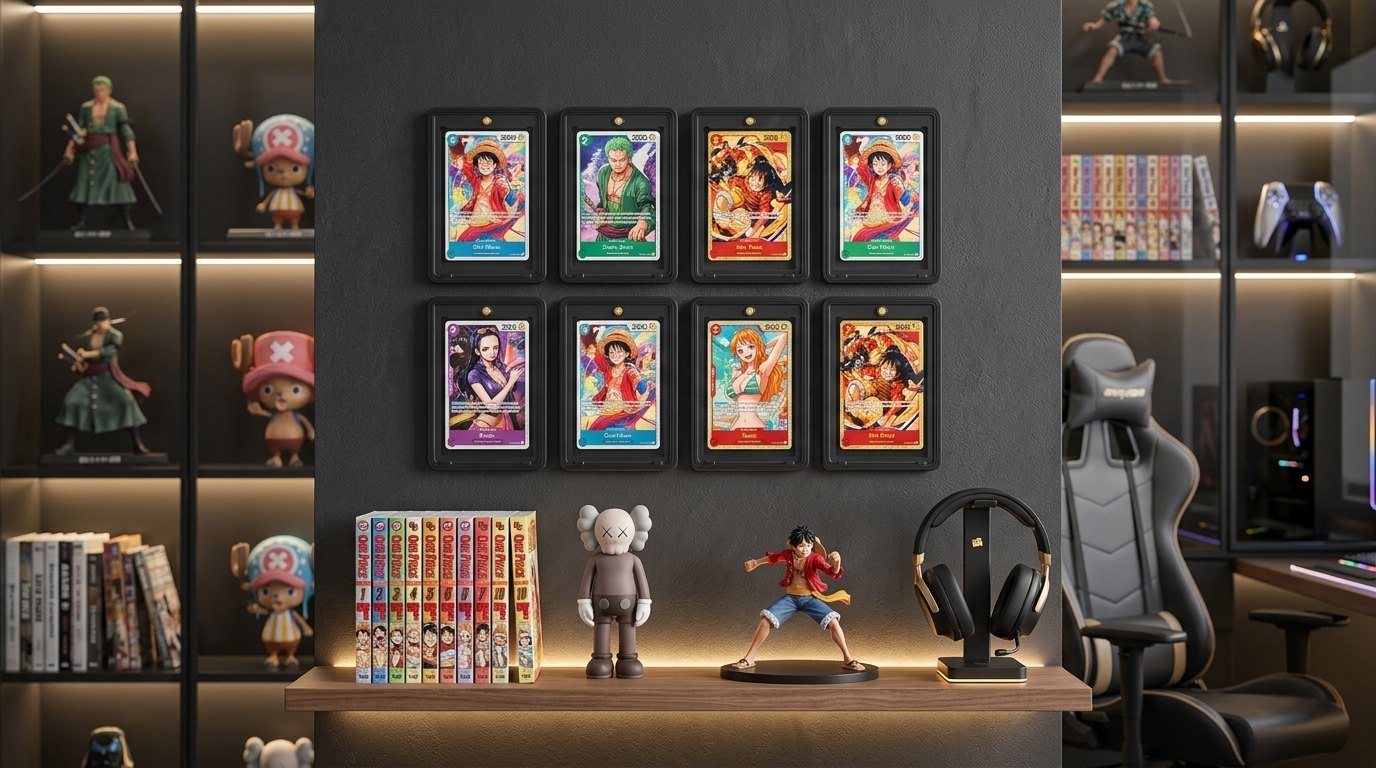
A One Piece alternate art card is worth its price when three conditions are met: artwork you genuinely love, a precisely identified type of parallel and a condition that matches the asking price. The rest is method: compare, avoid release hype and reason in delivered price. The next step is simple: browse our Japanese single cards, compare versions and stated conditions, then plan a frame to display your alternate art as soon as it arrives.
Frequently asked questions
Is a One Piece alternate art card playable in tournaments?
Yes. An alternate art card has the same code and effect as the regular version, so it plays exactly the same way. Only the artwork, the finish and the rarity change.
What is the difference between an alternate art and a parallel card?
None in substance. Parallel is the term used in Japan, while alternate art or alt art is what Western collectors say. Both describe a differently illustrated version of an existing card.
Why does an alternate art cost more than the regular version?
Because it is much rarer in boosters and sought after for its artwork. The character, the type of parallel, the condition and tournament use then make its price vary.
Is it better to open boosters or buy the alternate art as a single?
If you want one specific card, buying the single is almost always safer: you know what you pay and in what condition. Opening boosters is fun, but nothing guarantees you will pull the parallel you want.
Read next
Buying guides
Buy One Piece cards as singles: the math that beats opening boosters
Buying a single One Piece card usually costs less than opening boosters to chase it. Here is the calculation, the exceptions and a clear method.
November 13, 2026
Buying guides
Buying Japanese One Piece cards from Europe: the complete guide
Where to buy Japanese One Piece cards in Europe, what they really cost once delivered and how long they take: a clear method to buy without bad surprises.
November 13, 2026
Buying guides
Japanese or English One Piece booster: differences and which to choose
Japanese or English One Piece booster? Real differences in content, price, rarity and resale, and which version to pick for your goal.
November 13, 2026