
One Piece Card Game rarity: C, UC, R, SR, SEC, L, SP and P explained
One Piece Card Game rarities explained: what C, UC, R, SR, SEC, L, SP and P mean, where to read them, and why the parallel version changes everything.
Published on November 13, 20267 min read
Key points
- The One Piece Card Game uses eight rarity codes: C (common), UC (uncommon), R (rare), SR (super rare), SEC (secret rare), L (leader), SP (special card) and P (promo).
- Rarity is printed at the bottom of every card, next to its set code and number, in Latin characters, including on Japanese cards.
- A parallel card usually keeps the same rarity code as its base version but is often far more sought after: only the artwork tells them apart.
- The letter L indicates a role (Leader card) and the letter P a distribution method (promo): neither one alone guarantees that a card is rare.
You have just opened a Japanese booster, or you are looking at a card listing, and a string of letters leaves you puzzled: C, UC, R, SR, SEC, L, SP, P. These codes, printed on every One Piece Card Game card, show its rarity, meaning how often it comes out of boosters or how it is distributed. Understanding them is the first step to knowing what you actually hold, and to never paying rare-card money for a common card.
The short answer: C (common) and UC (uncommon) are the base, R (rare) comes next, SR (super rare) and SEC (secret rare) sit at the top of the standard ladder, L marks leaders, SP covers special cards inserted in very small numbers, and P stands for promos distributed outside boosters. But the printed rarity does not tell the whole story: the same card can exist as a base version and as a parallel, and that difference is often what drives the price. Here is how to read it all, and how to use it to buy well.
In this article
- 1. What are the rarities in the One Piece Card Game?
- 2. Where do you read the rarity on a Japanese card?
- 3. C, UC and R: are the common cards worth anything?
- 4. SR, SEC and L: what sets them apart?
- 5. Parallels, SP and manga versions: why letters are not enough
- 6. Are P cards really rare?
- 7. How do you use rarity to buy well?
What are the rarities in the One Piece Card Game?
The One Piece Card Game, published by Bandai, uses eight main rarity codes, identical on Japanese and English cards. They fall into three groups. First, the standard booster rarities, from most frequent to hardest to pull: C, UC, R, SR and SEC. Then a functional rarity, L, which marks Leader cards, the ones that start the game and set the colour of the deck. Finally two special cases: SP, for special cards slipped into some sets, and P, for promos.
The ladder is easy to remember, but it reads differently depending on whether you play or collect. For a player, a common can be essential to a competitive deck. For a collector, interest almost always focuses on the top of the table and on parallel versions. The table below sums up what each code means in practice and how much it matters for a collection.
| Code | Name | What it is | Collecting interest |
|---|---|---|---|
| C | Common | Base cards, the most numerous in a booster | Low, except to complete a set |
| UC | Uncommon | One step above commons | Low |
| R | Rare | Less frequent cards, sometimes with a nicer finish | Moderate, higher as a parallel |
| SR | Super Rare | Strong characters, shiny finish | High, especially as a parallel |
| SEC | Secret Rare | Top of the standard booster rarities | Very high |
| L | Leader | Card that starts the game and sets the deck colour | Low as base, strong as a parallel |
| SP | Special | Special card inserted in very small numbers | Very high |
| P | Promo | Distributed outside boosters: events, products, tournaments | Depends on distribution |
Where do you read the rarity on a Japanese card?

On a Japanese card, the rarity sits at the bottom, next to the card code, for example a set code such as OP05 followed by a number. The set code tells you where the card comes from: OP for main boosters, EB for Extra Boosters, PRB for Premium Boosters, ST for starter decks, P for promos. The number identifies the card within the set, and the letters next to it give its rarity.
The card text is in Japanese, but all these markers are in Latin characters, so you do not need to read Japanese to identify a card and its rarity. That is one of the reasons the Japanese version is so accessible to European collectors. Here is the method, step by step.
- Find the set code and the number at the bottom of the card.
- Read the rarity letters right next to them: C, UC, R, SR, SEC, L, SP or P.
- Compare the artwork and finish with the base version to see whether it is a parallel.
- Finally, check the stated condition of the copy (A, A-, B or C) before buying.
C, UC and R: are the common cards worth anything?
Commons (C) and uncommons (UC) make up most of every booster. They are printed in large numbers and most of them change hands for very little, when they are not simply passed around between players. Rares (R) sit one step higher: less frequent, sometimes with a nicer finish, they often include cards that see tournament play.
For collecting, these cards mostly serve two purposes. Completing a full set, which means gathering every single one, and keeping a character you love: a common with a beautiful illustration of your favourite character fully deserves a place in a frame. What you should not expect from them is resale value.
There is one exception worth knowing: a card of R rarity can exist as a parallel version with alternative artwork, and then become far more sought after than its base version. That is exactly why a card is never judged on its letters alone.
SR, SEC and L: what sets them apart?

Super rares (SR) are the first tier collectors really chase. They feature the set's strong characters, often with a shiny treatment, and come out much less often than R cards. Secret rares (SEC) sit at the top of the standard ladder: few per set and hard to pull, they often feature the iconic characters of the story arc being highlighted.
Leaders (L) follow a different logic. Their code indicates a role in the game, not pull difficulty: some leaders come in starter decks, others in boosters. A base-version leader is therefore rarely an expensive piece. Parallel leaders, on the other hand, are among the cards collectors follow most closely, because they combine a central character with distinctive artwork.
Between SR and SEC, a collector's first instinct is often to aim for the SEC. It is a good starting point, not a rule: a parallel SR of a very popular character can be more sought after than a SEC of a secondary one. The character's popularity weighs as much as the printed code.
Parallels, SP and manga versions: why letters are not enough
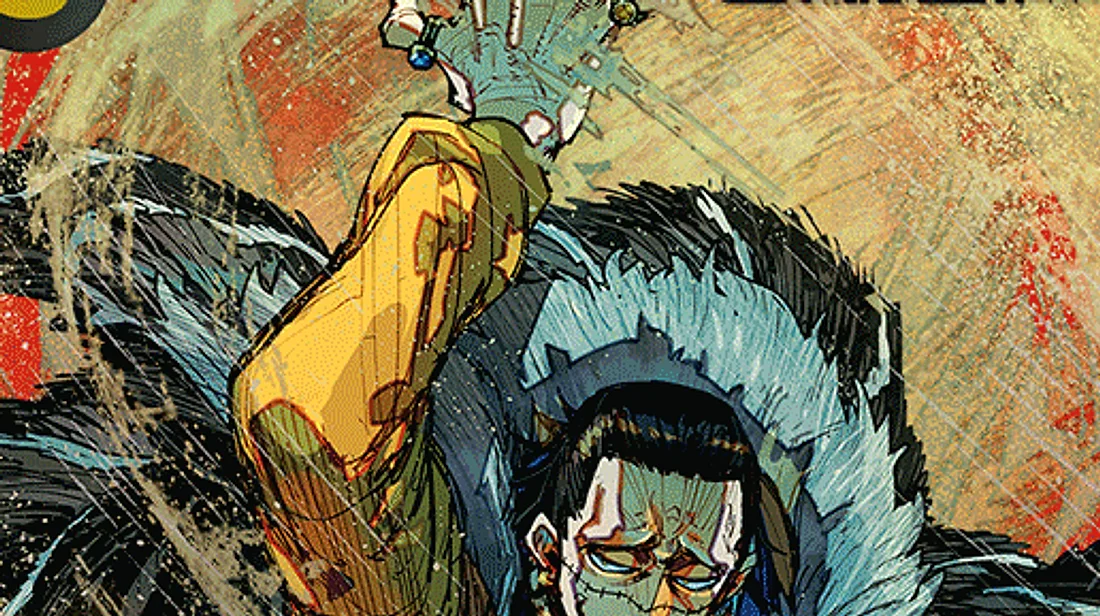
A parallel card, also called an alternate art, takes an existing card with different artwork and often a more elaborate finish. It usually keeps the same rarity code as the base version, which catches many beginners out: two 'SR' cards with the same number can have values that are worlds apart. You need to compare the artwork with the base version to know which one you are holding.
SP cards are a category of their own. They are special cards, often characters that have already appeared, reinserted into a set with a distinctive presentation and in very small quantities. Some sets also include so-called manga versions, illustrated from manga panels, which are among the hardest pieces to obtain. Their presence and number vary from one set to another, so always check the official card list.
The practical rule fits in one sentence: the printed rarity gives the family, the version gives the level. Before you even look at a price, ask yourself whether it is the base version, a parallel, an SP or a manga version.
Are P cards really rare?

The code P stands for promos. Strictly speaking it is not a rarity tier but a distribution method: tournaments, events, magazines, special products or one-off campaigns in Japan. Promos carry their own code, P followed by a number, instead of a set code.
Their real scarcity therefore depends entirely on how they were distributed. A promo widely given away with a product stays easy to find; a promo reserved for participants of a specific tournament or event can become very hard to track down. For a collector, a promo's appeal often lies in its story and its unique artwork.
DON!! cards also deserve a mention. They are resource cards without a standard rarity, but some special versions, slipped into boosters or handed out as promotions, are collected in their own right.
How do you use rarity to buy well?
Rarity is a filter, not a price. It helps you spot the cards worth your attention, but the final value depends on several criteria. Buying single cards removes the luck of boosters: you pick the exact version and condition you want, instead of opening packs hoping for one specific SEC or parallel.
Before buying, run the card through these criteria, in this order. They apply to all our Japanese cards, bought in Japan to order.
Once the card arrives, protect it straight away: sleeve first, then frame. Our double-glass magnetic one-touch frame keeps an SR or a SEC safe from dust and knocks while showing it off on a shelf or on the wall.
- Printed rarity: the card's family (C to SEC, L, SP or P).
- Version: base, parallel, SP or manga, the factor that moves the price most.
- Character: a central character of the series has a larger following.
- Set: its age and its appeal among collectors.
- Condition: A, A-, B or C, checked on the exact copy.
Verdict: remember the C, UC, R, SR, SEC ladder for boosters, L for leaders, SP for special inserts and P for promos, then always check the version, because a parallel changes everything. The next step is simple: pick a character you love, find their SR, SEC or parallel version among our Japanese single cards, and compare the stated condition before ordering. You will pay for the card you want, not for the luck of a booster.
Frequently asked questions
What is the highest rarity in the One Piece Card Game?
Among the standard booster rarities, the secret rare (SEC) is at the top. However, SP cards, manga versions and some parallels are often even harder to obtain. The letter ladder alone is therefore not enough to name the rarest card in a set.
Are rarities the same on Japanese and English cards?
Yes, rarity codes are identical in both languages and printed the same way, in Latin letters. A Japanese card can therefore be read without knowing Japanese. Only the card text and the release schedule differ.
How can I tell if my card is a parallel?
Compare it with the base version bearing the same code and number: the parallel has different artwork and often a more elaborate finish. Since the rarity code is usually the same, the artwork is what settles it. If in doubt, check the set's official card list.
Can a common card be worth anything?
Rarely, because commons are printed in large numbers. Their value lies mostly in play, set completion or attachment to a character. Promos and special versions, however, are not judged on printed rarity alone.
Read next
 Sets and releases
Japanese EB05 display: what's inside and who it's for at 129 €
November 25, 20267 min read
Japanese EB05 display at 129 €: what an Extra Booster is, 10 named cards with single prices, and the verdict: box or chosen singles.
 Sets and releases
Japanese OP17 display: what do its 24 boosters hold for 129 €?
November 25, 20267 min read
Japanese OP17 display at 129 €: 24 boosters, 144 cards, Leaders and secret rares named by code, and when buying singles is the better call.
 Sets and releases
One Piece Card Game Japan release schedule: how to read it and plan ahead
November 13, 20267 min read
One Piece Card Game Japan release schedule: how to read it, how far ahead of Europe Japan runs, when to preorder and what reprints change.