
One Piece collection theme: collecting by crew, arc or colour
Published on November 24, 2026 · 7 min read
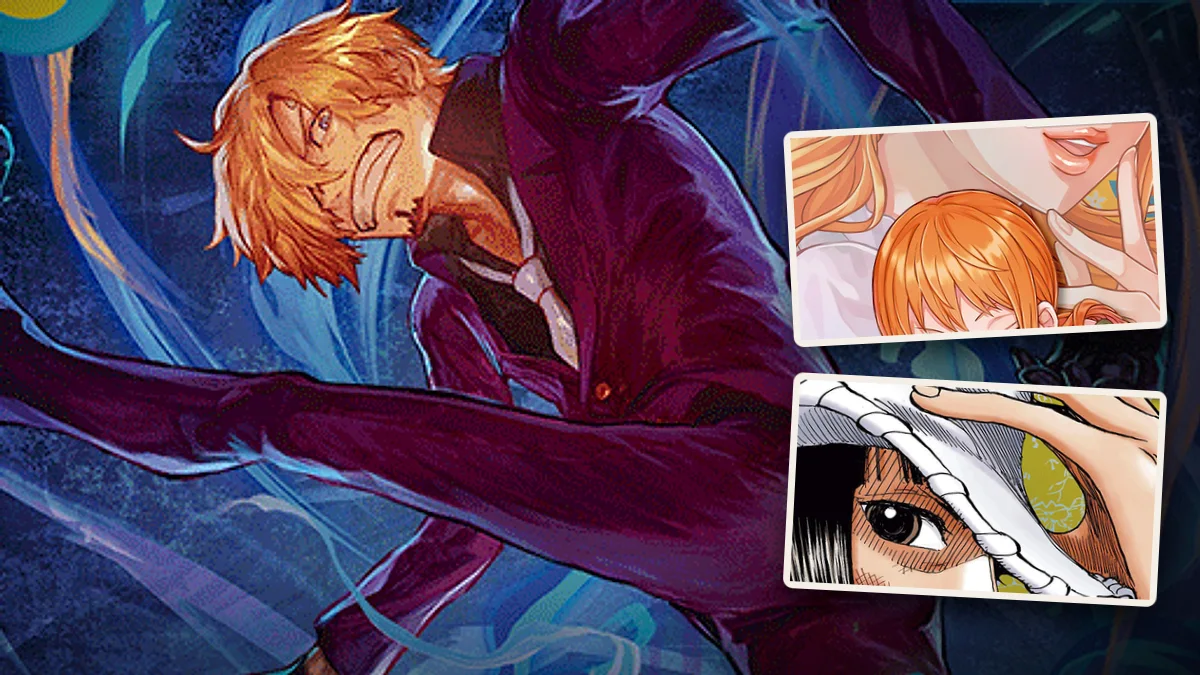
Key points
- A strong One Piece collection theme has a finite scope, such as a crew, a story arc or a colour, plus written rules that say which cards belong to it.
- For beginners, a crew is the best theme: its scope is clear, its characters return across many sets and it reads well on a wall.
- A themed collection is built in stages: one card per member first, then matching condition and rarity, then alternate versions.
- One language, a minimum condition and one frame colour are enough to make a themed collection look coherent.
You own a handful of One Piece cards, maybe a Luffy pulled from a booster and a Zoro bought on impulse, yet the whole thing tells no story. Most collectors hit this point after a few months: purchases pile up with each release, the budget slips away and the shelf looks like a junk drawer. Picking a One Piece collection theme fixes that in one move, because every card finally has a reason to be there.
Our answer is clear: choose a theme with a finite scope (a crew, a story arc or a colour), write three simple rules about what gets in and what stays out, then buy the missing cards as singles. This guide compares the strongest themes, shows how to set your rules, explains which Japanese versions to favour and shows how to display the set so it reads at a glance.
Why collect by theme instead of buying everything?
The One Piece Card Game releases a lot of cards: OP sets, EB Extra Boosters, PRB Premium Boosters, ST starter decks and P promos keep coming, always in Japan first. Trying to follow everything means chasing a catalogue that never stops growing. A theme turns that chase into a project: you know what is missing, you know when a stage is finished, and every purchase has its slot.
A theme also has a very concrete effect on your budget. Once you know you collect the Whitebeard Pirates, a Kaido card, however beautiful, loses much of its pull. You spend less on impulse buys and more on the few cards that matter to your set. That is what separates a pile of cards from a collection.
Finally, a themed collection displays better. Cards that share a crew, a colour or a moment in the story form a coherent group on a wall or shelf. Anyone looking at it sees the link at once, which never happens with a random assortment.
Which theme should you choose: crew, arc, colour or character?
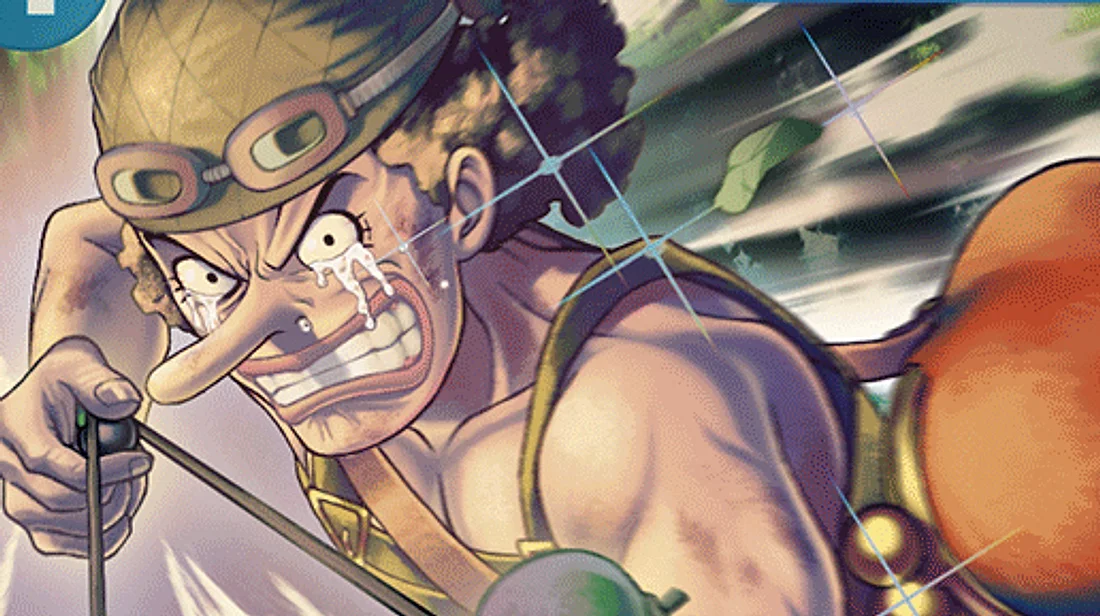
There are five main families of themes, and they don't suit every collector equally. A crew is the most natural choice for fans of the story: the Straw Hat Pirates, the Whitebeard Pirates, the Red-Haired Pirates or Kaido's Beasts Pirates. The scope is clear, and the characters come back in many sets with varied artwork.
A story arc (Alabasta, Enies Lobby, Marineford, Wano, Egghead) appeals to readers who love seeing the story in pictures. You do have to check which cards really belong to the arc, because the artwork doesn't always make it obvious. Colour (red, green, blue, purple, black, yellow) is the most graphic theme: a single-colour wall looks striking. A single character and rarity complete the picture.
Our view: if you're just starting, pick a crew. It offers the best balance of enjoyment, readability and budget, and it's the easiest theme to expand later.
| Theme | Scope | Readability on a wall | Budget | Best for |
|---|---|---|---|---|
| Crew | Finite and clear | Very good | Flexible | Story fans, beginners |
| Story arc | Clear, check card by card | Good | Flexible | Keen manga readers |
| Colour | Very wide, needs a filter | Excellent | Depends on target rarity | Home decor lovers |
| Single character | Finite | Good | Climbs fast with rare versions | Fans of one hero |
| Rarity (SEC, SP, parallels) | Wide | Average | High | Experienced collectors |
How do you build a crew collection?
Take the most common case, the Straw Hat Pirates. The scope is well known: Luffy, Zoro, Nami, Usopp, Sanji, Chopper, Robin, Franky, Brook and Jinbe. The first goal is simple and within reach: one card per member. Ten cards in a row already make a set that looks the part.
Only then do you move up a level: one alternate version per member, or the same rarity across the whole crew. What matters is applying the same rule to everyone. A Secret Rare Luffy next to a common Usopp creates a visual imbalance that jumps out.
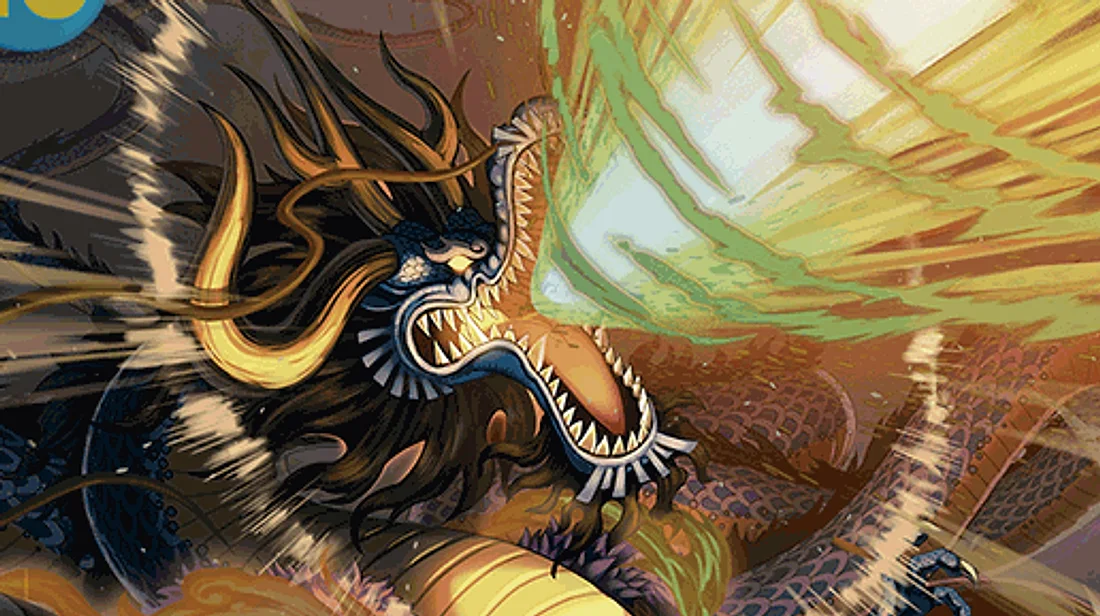
The method works for every crew. The Whitebeard Pirates lend themselves to a set built around the division commanders, Kaido's crew around the captain and his main lieutenants, and the Red-Haired Pirates around their officers.
- Step 1: list the members in scope, and don't add new ones along the way.
- Step 2: set a first stage, one card per member, any rarity.
- Step 3: pick a shared visual thread (same rarity, same art style or same set).
- Step 4: complete it with singles, member by member, comparing the stated condition.
- Step 5: only then move on to the next stage (alternate versions, leaders).
Collecting by arc or colour: how do you set the rules?
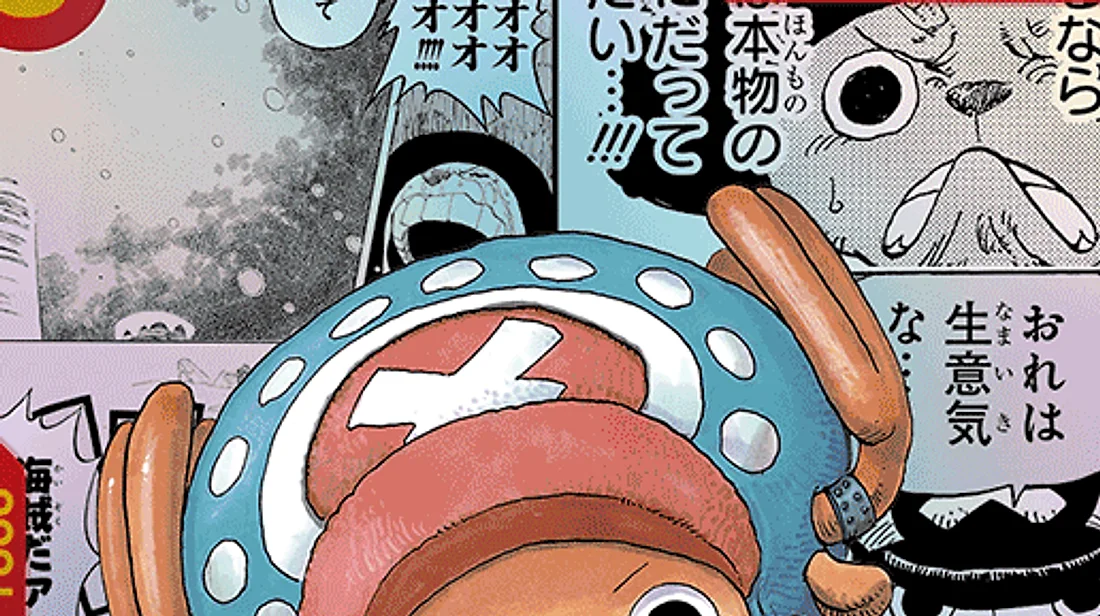
A broad theme needs written rules, or it turns back into a catch-all. For an arc, the rule fits in one sentence: a card gets in if its artwork or character clearly belongs to the arc. For Wano, that covers the samurai, Kaido, Big Mom and the Straw Hats in their Wano outfits. A Luffy in his usual outfit stays out.
For a colour, the problem is the opposite: there are a huge number of red or purple cards. So add a second filter, for instance colour plus a card type (leaders only), or colour plus a rarity level (parallels only). A wall of same-colour leaders reads at a glance.
Either way, write your rules down, in a notebook or a spreadsheet. When a gorgeous off-theme card catches your eye, read them again. It's the best defence against impulse buying, and it's what makes the collection easy for visitors to understand.
- An entry rule: what qualifies a card for the theme.
- A level rule: the rarity or type of version you are aiming for.
- A form rule: one language and a minimum condition, A- for example.
Which Japanese versions should you include, and which should you skip?
A themed collection works best in a single language. Japanese cards come out first, and collectors really appreciate their finish. Mixing Japanese and English cards in one row stands out, if only because of the card text. Pick one language and stick to it.
On rarity, aim for consistency at each stage rather than the rarest card everywhere. Commons and uncommons are enough for a first pass at a crew, SRs and leaders add depth, and parallel or alternate versions make a fine centrepiece. Keep Secret Rares and SPs for one or two star cards.
Finally, condition should match across the set. On a wall, a B-condition card with visible wear catches the eye for the wrong reasons next to A-condition cards. Set a minimum condition and check it with every purchase: our single Japanese cards show the condition stated by the Japanese shop, from A (near mint) to C (fair).
How should you display a themed collection?
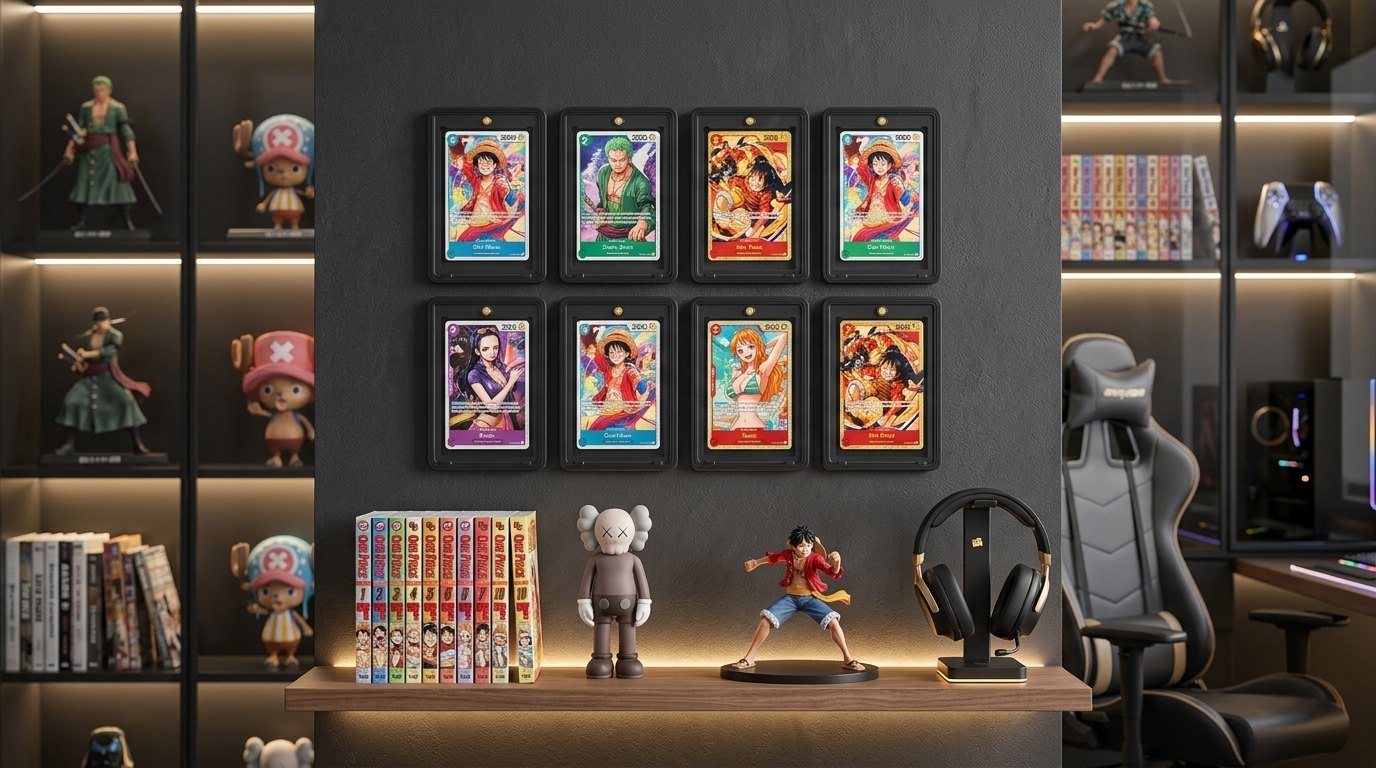
A theme tells its story in a set order. For a crew, follow the order in which members join the story, or put the captain in the centre. For an arc, follow the timeline. For a colour, play with rarity: plain cards on the edges, the flashiest one in the middle.
The display matters as much as the order. Our aluminium magnetic one-touch frame with double glazing protects each sleeved card while keeping it fully visible. In black or white, it ties very different artwork together. At €24.80 each, with the third one free when you buy two, you can frame a full crew one purchase at a time.
The frames snap together face to back to stack, stand upright like books, or sit side by side on the wall with adhesive magnetic tape, no drilling needed (€15 for 1 m, €29 for 3 m). When the theme grows, you just add frames to the end of the line.
How do you grow the theme without blowing your budget?
The key is to work in stages. A stage is a finite goal: a full first pass at the crew, then the leaders, then one alternate version per member. Each finished stage brings real satisfaction and gives you a natural place to stop, so the spending doesn't run on forever.
Buying singles is the most efficient method for a theme, because you only pay for the cards you're missing. Opening boosters is still fun, but when you're completing a specific crew, chance often costs more than the card you actually want. Group your orders: card shipping costs €4.20, it's free from €30, and you only pay shipping once per order.
Finally, only start a second theme once the first stage of the first one is complete. Two half-finished themes are worth less, both visually and in your head, than one complete theme.
- Stage 1: one card per member or slot, any rarity.
- Stage 2: even out condition and rarity.
- Stage 3: add the leaders and a centrepiece.
- Stage 4: alternate or parallel versions, member by member.
The best One Piece collection theme is the one you can finish: a crew to start with, an arc if you love the story, a colour if you're thinking about decor. Write three rules, set a first stage of one card per member, then complete it with singles. Your next step: list the members of your favourite crew and look through our Japanese cards for the ones you still need to finish that first pass.
Frequently asked questions
What is the best theme to start a One Piece collection?
A crew, especially the Straw Hat Pirates. The scope is finite, the characters return in many sets and the result reads well on a wall. It's also the easiest theme to upgrade in stages.
Can I mix Japanese and English cards in the same theme?
You can, but it's not recommended for a collection on display. The language difference is obvious in a row and breaks the visual unity. Pick one language per theme and keep to it.
How many cards does a themed collection need?
There's no set number. A first stage of one card per member, around ten cards for the Straw Hats, is already enough for a coherent set. You can then add to it at your own pace.
How can I display a themed collection without damaging the cards?
Put each card in a sleeve, then in a closed double-glazed frame, away from direct sunlight. Magnetic frames attach to the wall with adhesive tape, no drilling required, and you can add more as the theme grows.
Read next
Collecting and display
One Piece Emperors cards: how to build a Yonko display in Japanese
Four Emperors One Piece cards: which Yonko lineup to pick, which Japanese versions to target and how to frame and hang the display without drilling.
November 25, 2026
Collecting and display
Ace, Sabo and Luffy card collection: how to build a Brothers trio
Ace, Sabo and Luffy card collection in Japanese: three ways to match the trio, the buying order, layout and framing that make it one set.
November 25, 2026
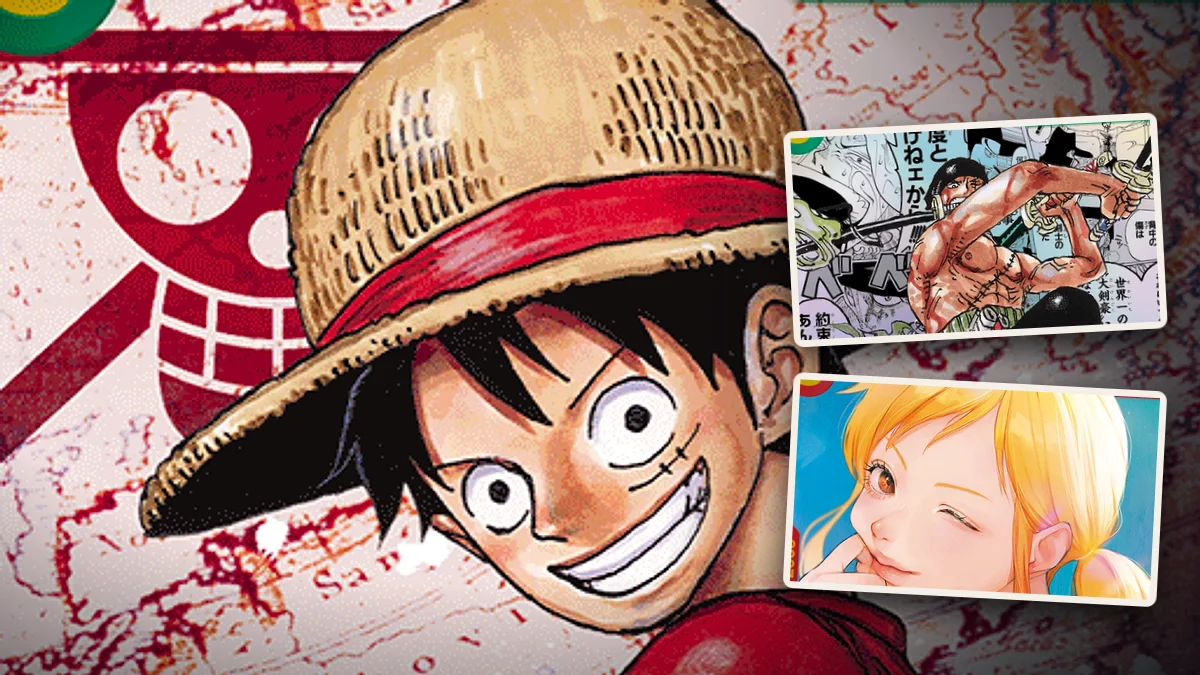
Collecting and display
Straw Hat crew collection: assembling all 10 members in Japanese cards
How to build a Straw Hat crew collection in Japanese cards: the common thread to pick, the buying order and the best way to display all ten members.
November 24, 2026