One Piece Card Game reprint: what it does to value and when to buy
One Piece Card Game reprint: which cards lose value, which hold up, and the right moment to buy a booster box or a single card.
Published on November 13, 20267 min read

Key points
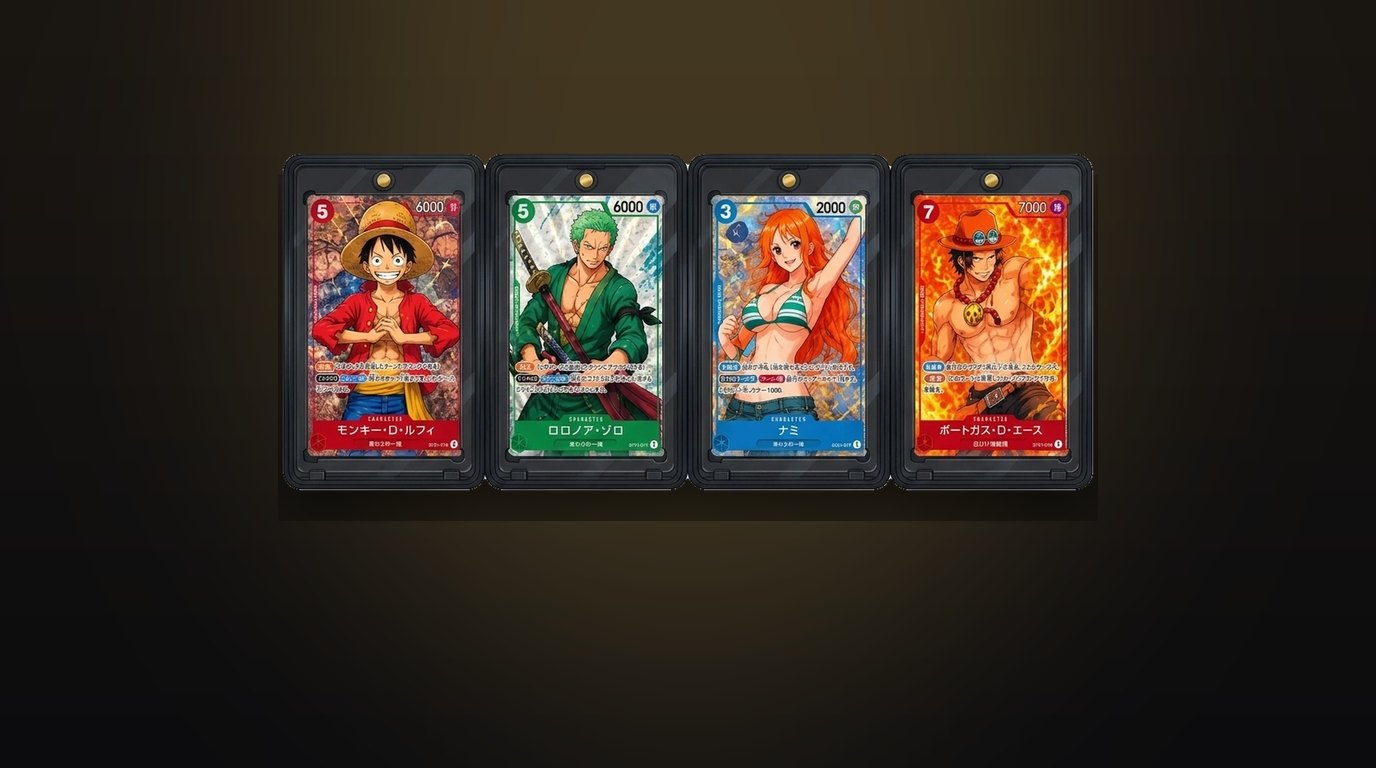
- In the One Piece Card Game, a reprint can mean two things. Either Bandai prints an already released set again, or a card comes back in another product: a starter deck, an EB set, a Premium Booster or a promo.
- A reprint mostly pushes down tournament cards and booster boxes whose price rose because of scarcity.
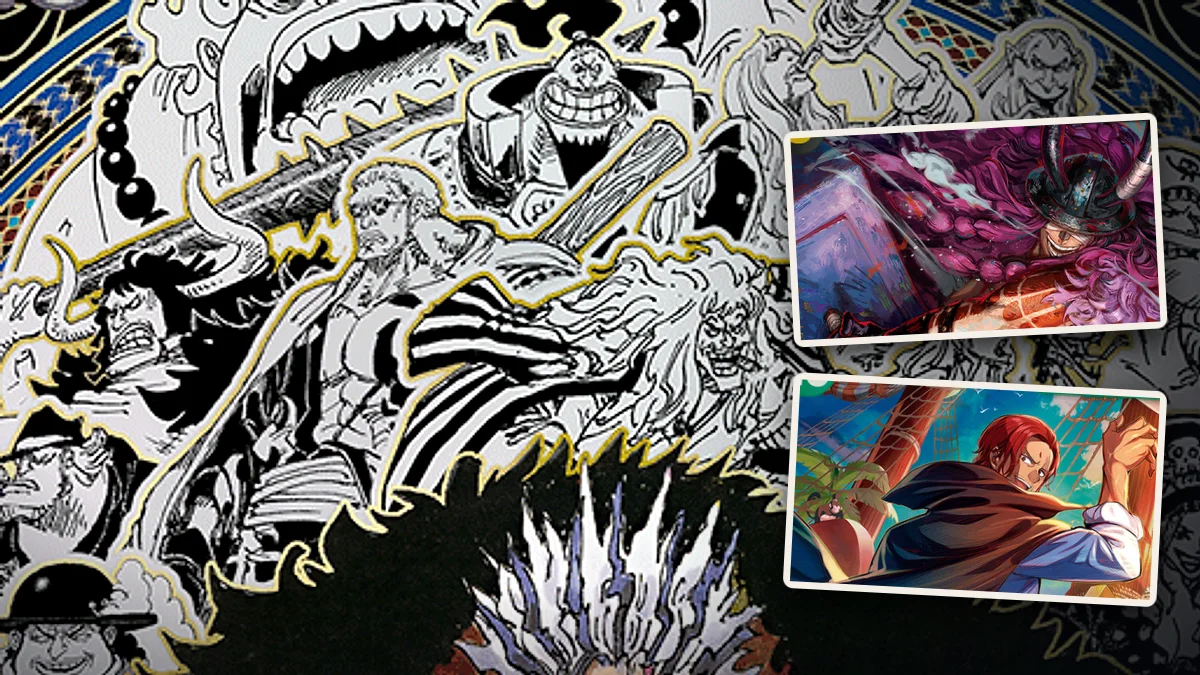
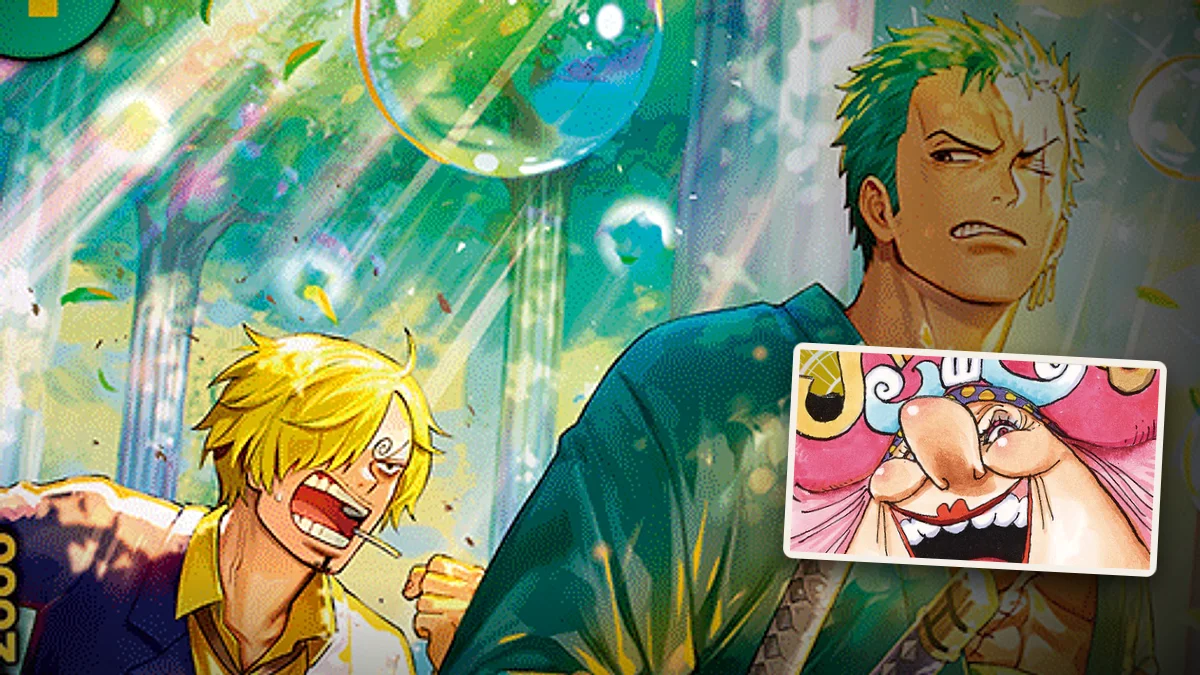
- Parallel, SP, manga rare and event promo cards generally hold up better. They stay rare in each booster box and collectors want them for their artwork.
- In the Japanese One Piece Card Game, a first print single generally cannot be told apart from a reprint, so condition is what sets the price.
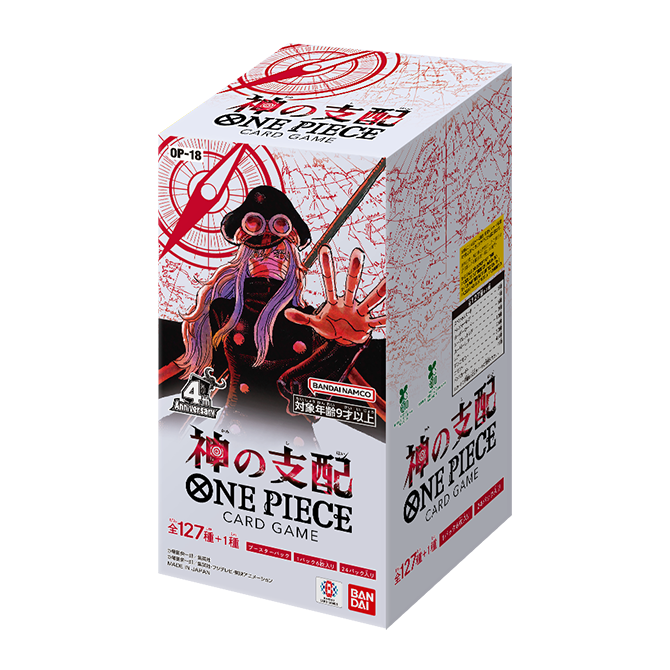
You have seen a reprint announced for a Japanese set, or a seller is urging you to buy "before it goes back up". Now you are not sure whether a card or a booster box is about to lose value. It is a fair question: in the One Piece Card Game, Bandai regularly puts already released Japanese boosters back into production, and every announcement shakes prices in the short term.
In short, a reprint mostly pushes down two things: tournament cards and booster boxes bought at a premium during a shortage. It affects the parallel, SP and manga rare cards of a set far less. Here is how to tell the types of reprint apart, gauge their effect by rarity, and pick the right moment to buy.
In this article
- 1. What does a reprint mean in the One Piece Card Game?
- 2. Why does Bandai reprint Japanese sets?
- 3. Does a reprint lower card values?
- 4. Can you tell a first print from a reprint?
- 5. When should you buy a booster box given the risk of a reprint?
- 6. Single cards: buy before or after a reprint?
- 7. How do you build a collection that withstands reprints?
Frequently asked questions
How do I know if a One Piece set will be reprinted?
Only an official Bandai announcement counts. It is usually published on its Japanese channels, along with the products involved. Sets that are heavily played in tournaments and sold out are the most likely to be rerun, but nothing is guaranteed, so do not sell or buy in a hurry because of a rumour.
Is a first print card worth more?
Generally not in the Japanese One Piece Card Game: a reprint reproduces the same card, with the same code and the same rarity. Without an official mark to tell them apart, both sell as the same card. Condition and the exact version set the price.
Should I sell my cards when a reprint is announced?
For a playable card bought during a shortage, the announcement often drops the price very quickly, so selling afterwards means taking the loss. For a collector piece, the dip is often temporary. Think about how long you plan to keep the card rather than about today's announcement.
Are parallel cards reprinted too?
When a set is reprinted, its parallels are produced again in the same proportion as the other cards. They still remain rare in each booster box. A card reused in another product usually comes back as a different version, which is why parallels hold up better than standard playable cards.