One Piece card wall: layout, mounting and lighting done right
How to build a One Piece card wall: pick a theme, plan the grid, mount frames without drilling and light your Japanese cards without damaging them.
Published on November 22, 20267 min read

Key points
- A successful One Piece card wall relies on a shared theme (a character, a crew, a leader colour or a set) and on identical frames aligned with consistent spacing.
- An adhesive magnetic strip lets you mount magnetic frames side by side without drilling, then move or add cards whenever you like.
- Displayed cards should stay away from direct sunlight and heat; LED lighting angled from the side or above brings out the foil without glare on the glass.
- A row of three frames is the ideal starting format, and a grid of six or nine cards then creates a gallery effect that grows row by row.
You own a few beautiful Japanese cards, maybe a parallel leader, an alternate art of your favourite character or a Secret Rare pulled from a box, and they are sleeping in a binder. You want to see them every day, show them off and turn them into real decor, without damaging them or filling your wall with holes. That is exactly what a well planned One Piece card wall delivers.
The answer comes down to three decisions: a theme that ties everything together, a regular layout in identical frames, and drill free mounting away from direct sun, with soft light that makes the foil shine without heating it. Here is the full method, from the first card to a wall that keeps growing, with the traps to avoid at each step.
In this article
- 1. Which cards belong on a One Piece card wall?
- 2. Which layout gives a balanced wall?
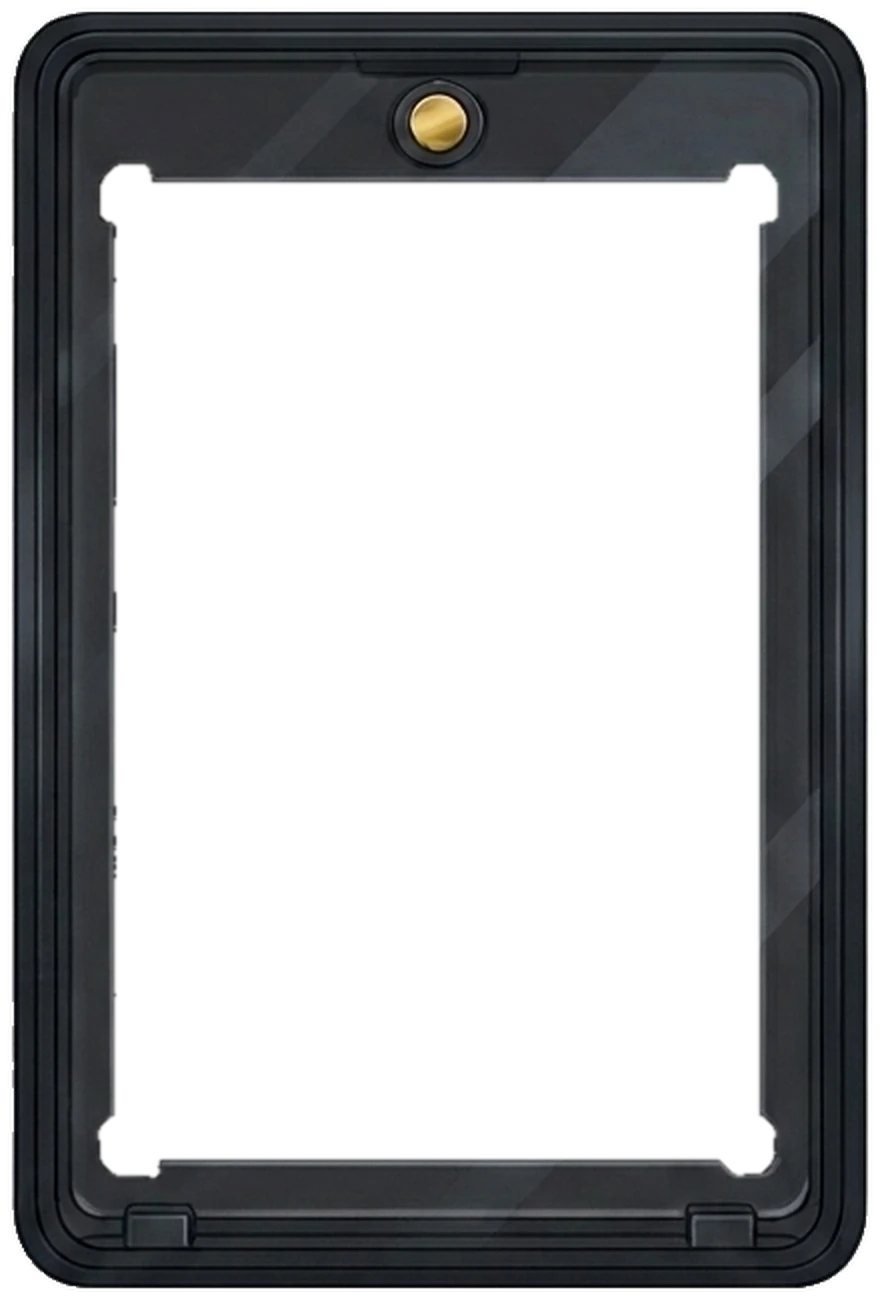
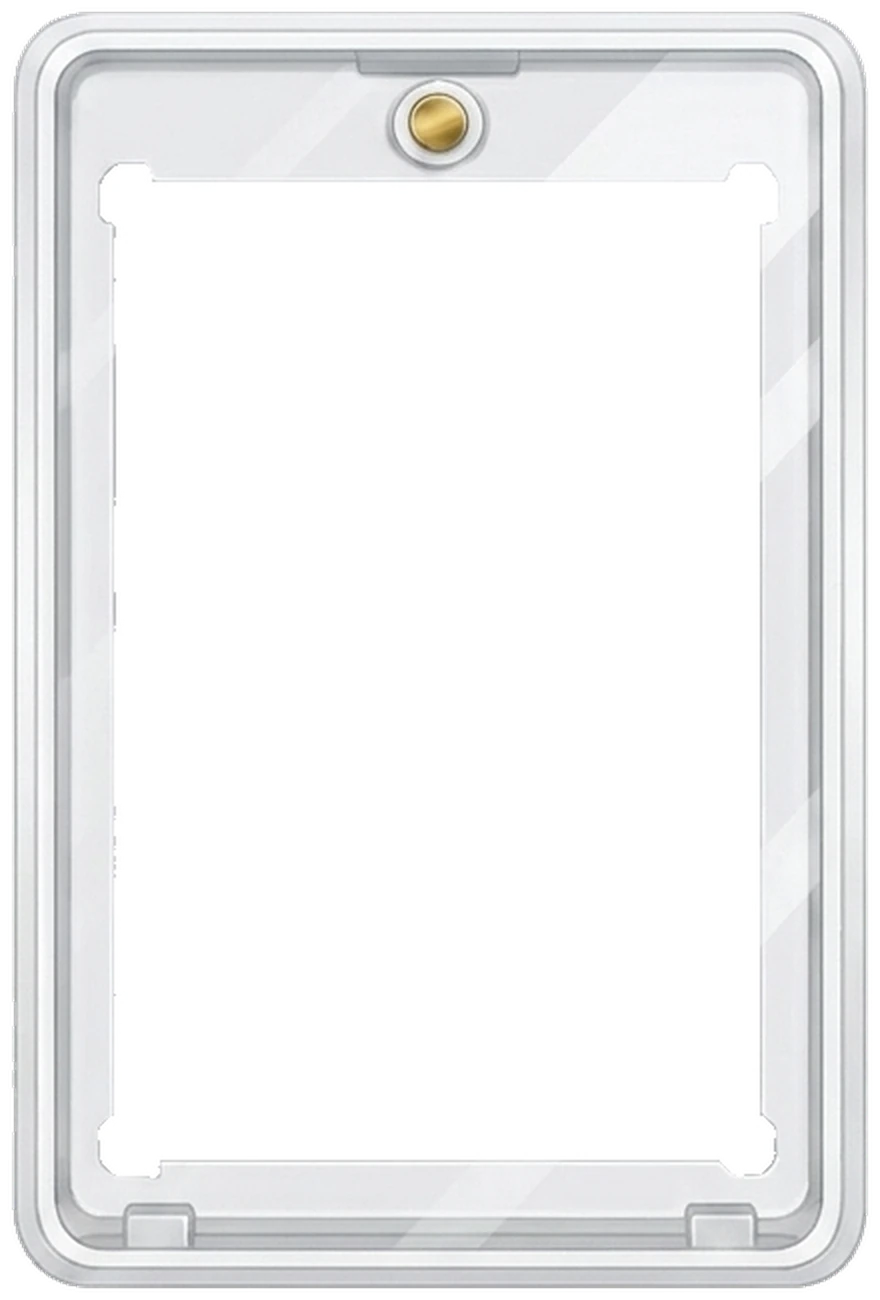
- 3. Black or white frames: which suits your wall?
- 4. How do you mount frames on a wall without drilling?
- 5. What lighting works for a card wall without damaging cards?
- 6. Where should the wall go and how do you protect cards over time?
Frequently asked questions
Can you make a One Piece card wall without drilling?
Yes. An adhesive magnetic strip stuck to the wall holds magnetic frames side by side, with no screws or nails. It needs a clean, dry, smooth surface and lets you move or add frames at any time.
How many cards do you need to start a wall?
Three cards in a row are enough for a first coherent wall, especially around a centrepiece. You can then move to a grid of six or nine cards. With the buy 2, get the 3rd free frame offer, thinking in threes is also the most economical.
Do cards fade when displayed on a wall?
The risk mainly comes from direct sunlight and hot lights at close range. A wall away from windows, angled LED lighting and rotating cards from time to time greatly limit exposure. The glass protects against knocks and dust, not against daily sun.
Can you mix graded and raw cards on the same wall?
Yes, using the PSA slab compatible frame, sold empty at €34.80, next to standard one-touch frames. To keep the wall balanced, group the slabs on one row or in one area. The different formats then stay neatly aligned.