Japanese One Piece Leader cards: why collect them and which to choose
Japanese One Piece Leader cards: what makes them unique, standard vs parallel, which condition to target and how to pick the one worth framing.
Published on November 13, 20267 min read

Key points
- A Leader card in the One Piece Card Game defines the whole deck: it sets its colors, its life total and its play style, and stays visible for the entire game.
- A Leader exists as a standard version (L rarity), a parallel version with alternate art and sometimes a promo (P). For a collection, the Japanese parallel version is usually the most sought after.
- One Piece Card Game sets are released in Japan first, so a Japanese Leader is available before its English counterpart.
- For a Leader meant for display, aim for condition A or A- and protect it in a sleeve inside a double-glass one-touch frame rather than in a binder.
Every deck in the One Piece Card Game revolves around a single card set apart on the playmat: the Leader. You may have a favorite character, Luffy, Zoro, Law or Yamato, and wonder whether it is worth buying their Leader card in Japanese, which version to pick between standard, parallel and promo, and how to avoid overpaying for a card that will not really lift your collection.
The short answer: yes, a Japanese Leader is one of the best entry points into a One Piece collection, because it brings together a character, a deck and an era of the game in a single card. For display, favor the parallel version with alternate art; for a first purchase or a tight budget, the standard version of a Leader you love is more than enough. Either way, aim for condition A or A-, buy singles rather than gambling on boosters, and protect the card as soon as it arrives. Here is the full method, criterion by criterion.
In this article
- 1. What is a Leader card in the One Piece Card Game?
- 2. Why collect Leaders in Japanese?
- 3. Standard, parallel or promo: which Leader versions exist?
- 4. How do you choose the Leader that deserves a spot in your collection?
- 5. Which condition should you aim for on a Japanese Leader?
- 6. Starter deck, booster or single card: where should you get your Leader?
- 7. How do you protect and display a Japanese Leader?
What is a Leader card in the One Piece Card Game?
The Leader is the card the entire deck is built around. Each player places exactly one, face up, at the start of the game, and it stays in play until the end. It sets the colors allowed in the 50-card deck, a life value that determines how many life cards the player lays down, a power and, most of the time, an effect that shapes the whole strategy.
You can spot one by its L rarity, printed next to the card code, and by the absence of a cost, replaced by a life value. Some Leaders are dual-colored, which widens the possible combinations and makes them instantly recognizable to players and collectors alike.
That central role changes everything for a collector. A Leader is not just another card in a booster: it is the face of a deck, the one you see on tournament tables and in gameplay videos. That is why Leaders of major characters often keep lasting appeal, even after new sets come out.
Why collect Leaders in Japanese?
First, timing: One Piece Card Game sets are released in Japan first. A Japanese Leader is therefore available before its English version, and some products, promo cards or special editions sometimes only circulate in Japanese. If you want to follow the game as it unfolds, Japanese stays one step ahead.
Second, aesthetics: many collectors love the Japanese printing and text, which leave the artwork center stage and echo the manga's origins. On a display card the text barely matters; the artwork, the framing and the finish create the effect you are after.
Third, consistency: a collection of Japanese Leaders forms a coherent whole, one language, one look, a gallery of captains and rivals. Framed side by side, they tell the story of the game set after set. Our Japanese single cards let you build that series without relying on booster luck.
Standard, parallel or promo: which Leader versions exist?
The standard version is the L rarity Leader as found in a starter deck or in a set's boosters. It is the version played in tournaments and the most affordable: ideal for a first Leader, for building a deck or for completing a series without blowing your budget.
The parallel version features the same Leader with alternate art, often more elaborate, and a different finish. It is harder to pull from boosters, which usually makes it the version collectors want most. Promo cards (P), handed out at events or bundled with certain products, round out the picture with sometimes unique artwork.
Your choice therefore depends on your goal: playing, completing or displaying. The table below sums up the differences on qualitative criteria, with no invented prices, since values vary with the character, the set and the card's condition.
| Version | Where to find it | Difficulty when opening | Display appeal |
|---|---|---|---|
| Standard (L) | Starter decks and boosters | Accessible | Good, especially for a favorite character |
| Parallel (alternate art) | Set boosters | Rarer than standard | Very strong, the display favorite |
| Promo (P) | Events and special products | Depends on distribution | Strong if the artwork is unique |
How do you choose the Leader that deserves a spot in your collection?
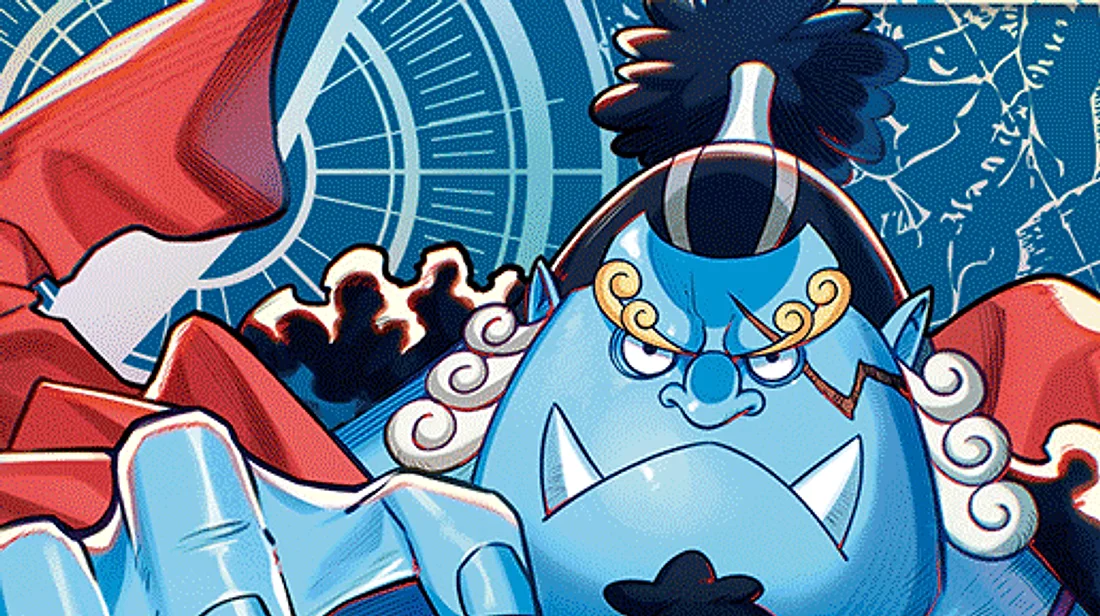
Start with the character, not the market value. A Leader you enjoy looking at will make you happy for years, whatever the market does. Then study the artwork: composition, colors, the character's presence. A display card must work from two meters away, framed on a shelf or mounted on a wall.
Next, check the concrete details: the card code (a set such as OP01 or ST01 followed by a number), the L rarity, any mention of a parallel version and the stated condition. This information lets you compare two listings without relying on a photo alone.
Also keep in mind that a popular character can receive several Leaders across sets, each with its own effect and artwork. Compare them before buying, and pick the one whose artwork speaks to you rather than the newest one by reflex.
- The character: a Leader you love before a trendy card.
- The artwork: readable from afar, bold colors, real framing.
- The version: standard to start, parallel for the centerpiece, promo for originality.
- Code and rarity: set (OP, ST, EB, PRB), number and L rarity checked.
- Condition: A or A- for display, B acceptable for a deck.
- Total budget: card, shipping and protection, not just the listed price.
Which condition should you aim for on a Japanese Leader?
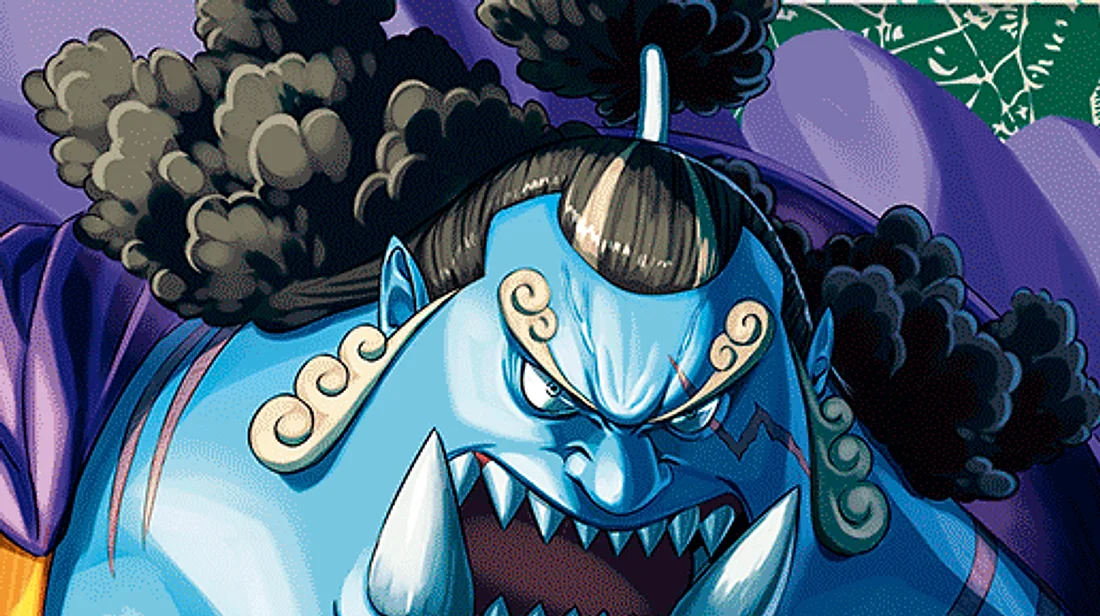
Our cards are described using the condition stated by the Japanese shop: A (near mint), A- (very good), B (good, visible wear) and C (fair). For a Leader you plan to frame, condition A is the natural target: sharp corners, clean surface, decent centering. A- remains an excellent compromise if the small flaw disappears once the card sits behind glass.
Condition B suits a Leader you intend to play, sleeved, in a deck. Visible wear does not matter during a game, but it shows under display lighting. Condition C is best kept for play cards or very tight budgets.
On a parallel version, the shiny finish makes scratches and marks more visible. Be stricter about the condition of a parallel Leader than of a standard one, especially if it is meant to become the centerpiece of your collection.
Starter deck, booster or single card: where should you get your Leader?
A starter deck (ST) comes with a guaranteed standard Leader and a playable deck. It is the simplest way to discover the game, but it only gives you one specific version, rarely the most striking one for a display.
Boosters and displays offer the thrill of opening: a Japanese display contains 24 boosters of 6 cards, and that is where parallel versions hide. But nothing guarantees you will pull the Leader you want. If opening is what you enjoy, OPCG.Shop offers Japanese displays, boosters and preorders; if your goal is one specific Leader, opening boosters is the least predictable method.
Buying singles is the direct route: you choose the character, the version and the condition. With us, every card listed is genuinely for sale in Japan and bought to order, with shipping at €4.20, free from €100. To build a Leader collection, it is usually the most economical and predictable method.
How do you protect and display a Japanese Leader?
As soon as it arrives, slide the Leader into a sleeve. It is the first barrier against dust, fingerprints and micro-scratches. For a play card, a quality sleeve and a deck box are enough. For a display card, you need to go further.
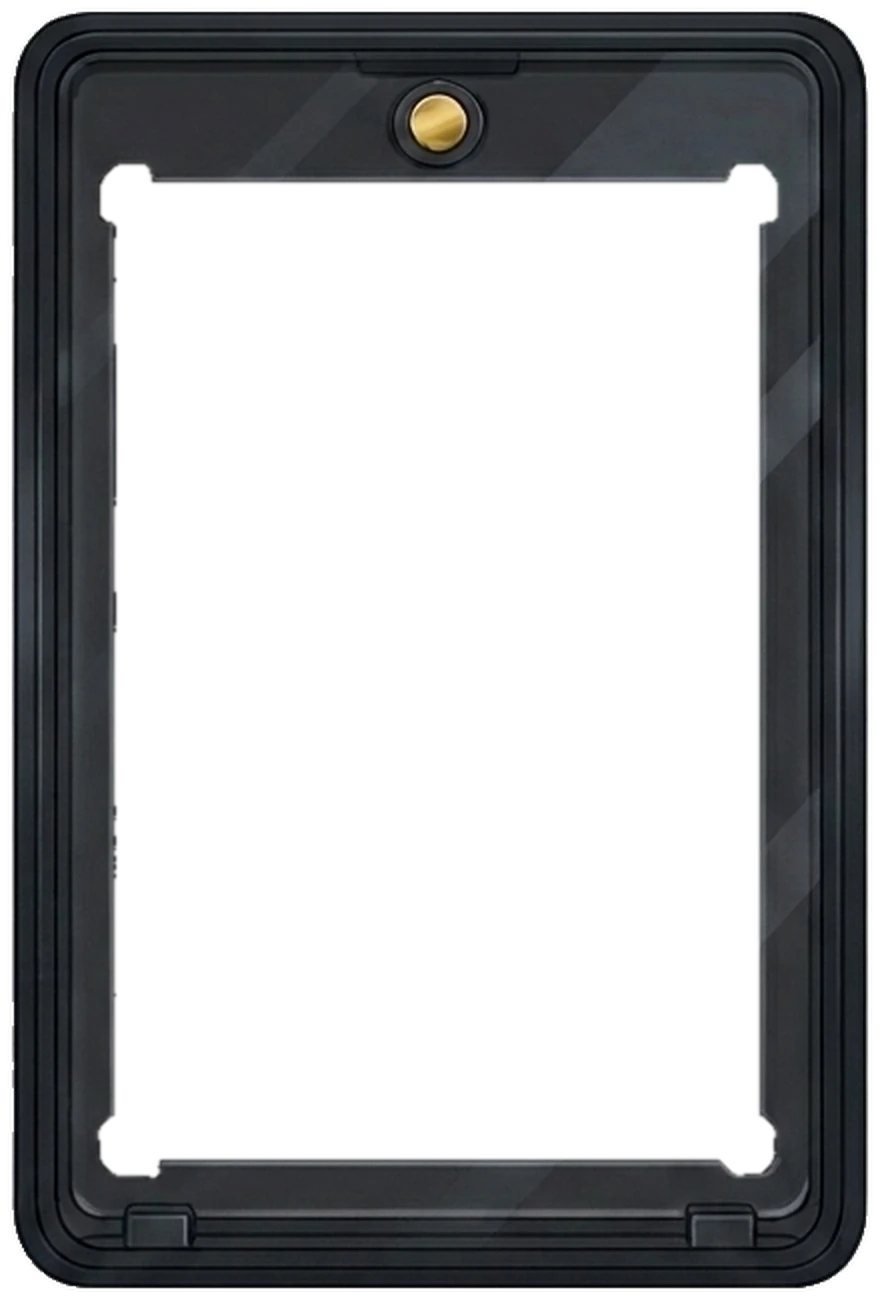
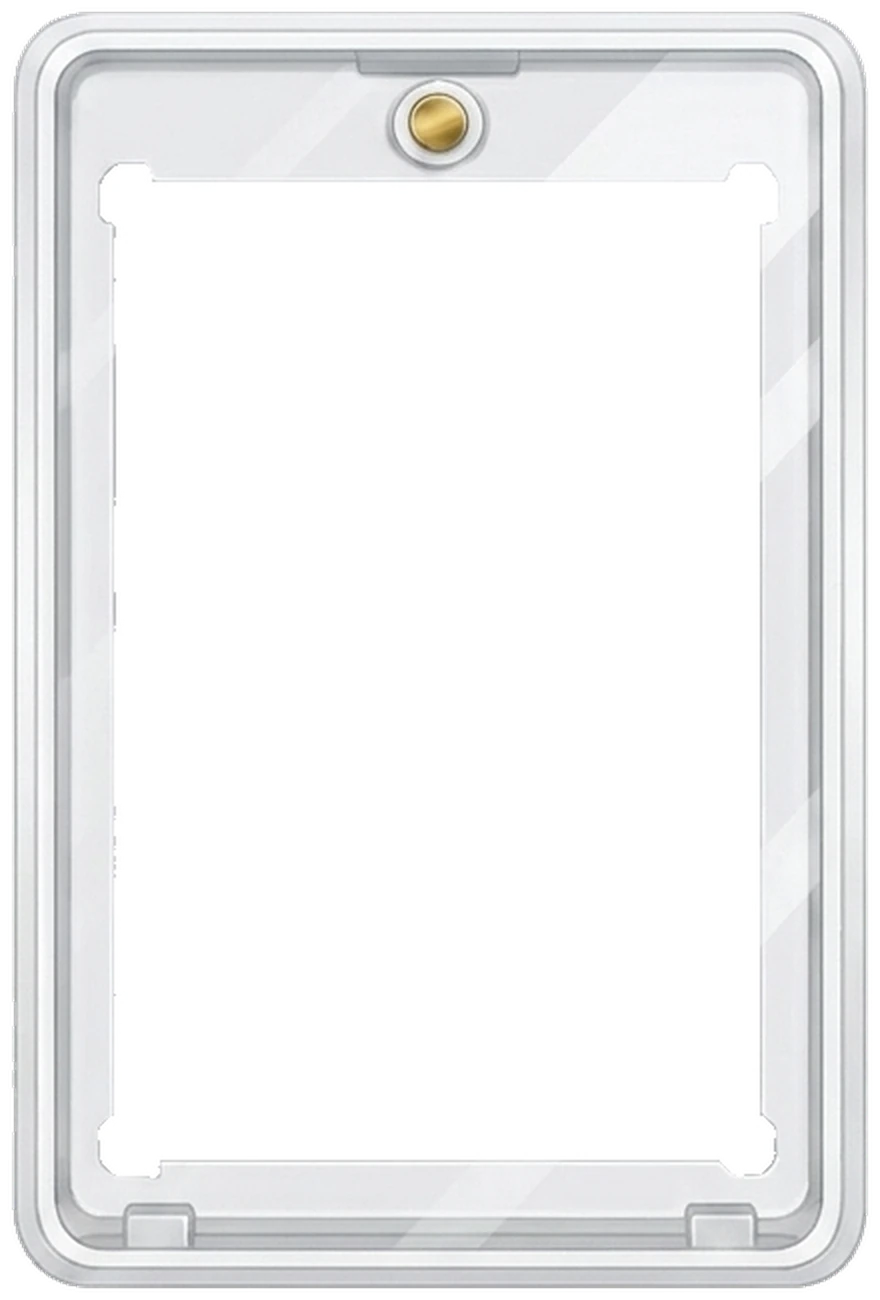
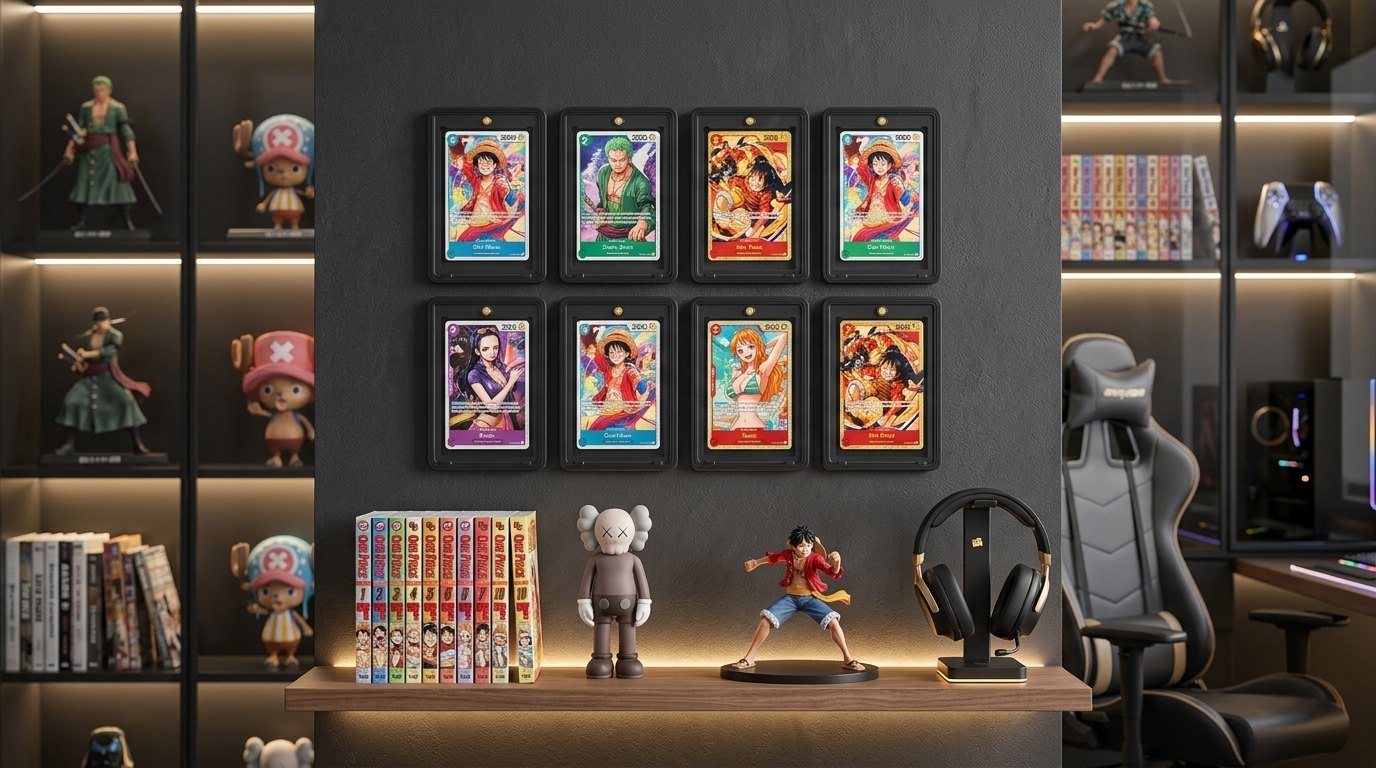
Our aluminum one-touch magnetic frame, with double glass, holds the sleeved card and protects it on both sides. It comes in black or white at €24.80 each, with the third one free when you buy two. The frames snap together face to back to stack, stand upright like books and mount side by side on the wall with an adhesive magnetic strip, no drilling needed.
For a series of Leaders, the wall is often the best option: a row of captains, lined up by crew or by color, becomes a genuine decorative piece. Just avoid direct sunlight, which can fade the colors over time.
The verdict is simple: a Japanese Leader is the most defining card in the One Piece Card Game and one of the best foundations for a collection. Start with a character you connect with, take the parallel version for your centerpiece or the standard one to get started, aim for condition A or A-, and frame the card as soon as it arrives. Your next concrete step: browse our Japanese single cards, search for your favorite character and find the Leader version that will open your display.
Frequently asked questions
Can I play a Japanese Leader in tournaments in Europe?
It depends on the organizer and the format: some tournaments only accept cards in a given language. Always check the event rules before registering. For casual play and collecting, a Japanese Leader is no problem at all.
What is the difference between a standard Leader and a parallel Leader?
Both versions share the same effect and game stats. The parallel stands out with alternate art and a different finish, and it is harder to pull from boosters. It is usually the preferred version for a display.
How do I recognize a Leader card?
Look for the L rarity next to the card code and the absence of a cost, replaced by a life value. The code also shows the original set, for example OP, ST, EB or PRB followed by a number.
Do I need to buy a starter deck to get a Leader?
No. A starter deck guarantees a standard Leader and a playable deck, which is handy for beginners. If you want a specific Leader, or its parallel version, buying the single card is more direct and usually cheaper.
Read next
 Buying guides
Display OP16 or OP15: which one to catch up on at 129 €, plus 6 singles
November 25, 20267 min read
Display OP16 or OP15 at 129 €: the verdict by character, 6 named cards with their prices, and when buying singles is the smarter move.
 Buying guides
Which Japanese One Piece display to choose: OP18, OP17 or EB05 at 129 €?
November 25, 20267 min read
OP18, OP17 or EB05 at the same 129 €: a decision table, 5 reference cards with prices, and the maths on two displays with free shipping.
 Buying guides
One Piece Mystery Box: how it works, 6 steps from payment to frame
November 25, 20268 min read
Payment, age check, online reveal of your 3 cards, purchase in Japan, shipping: the Mystery Box at 29,90 € step by step, and what you don't choose.