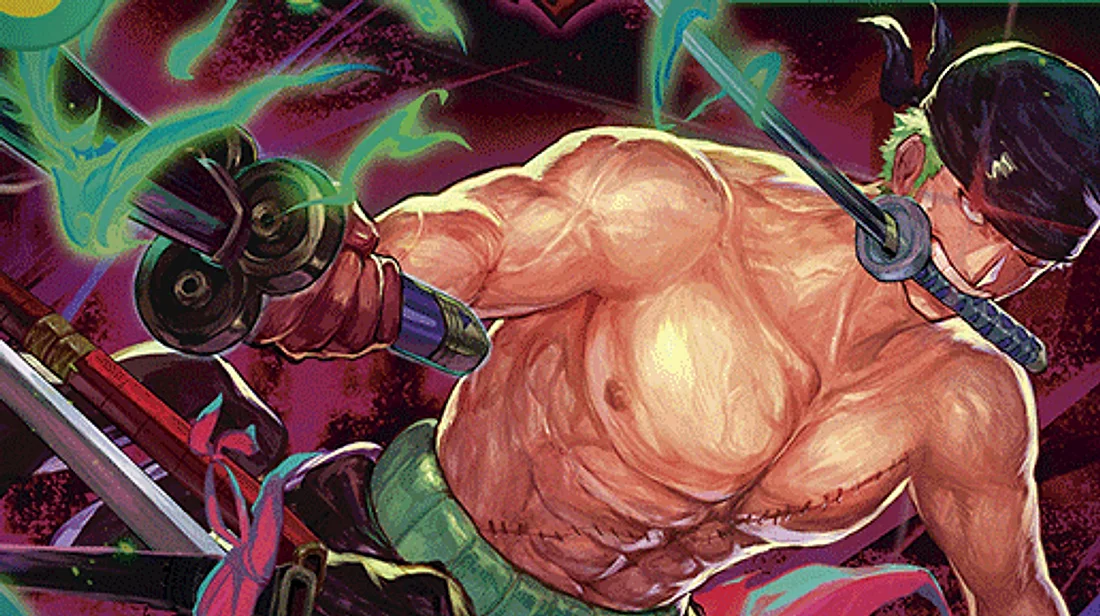
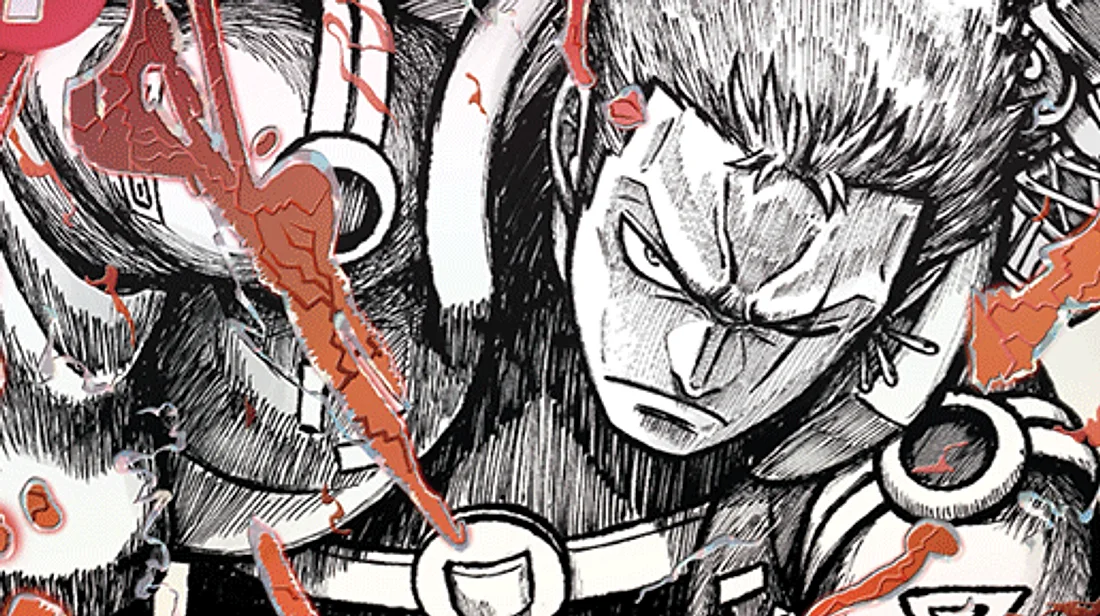
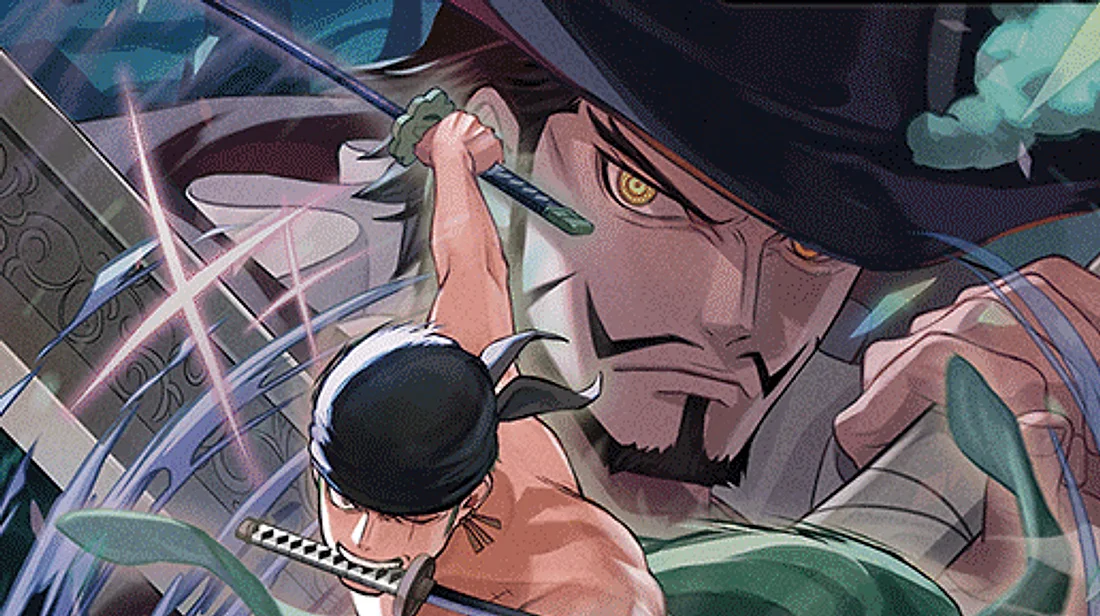
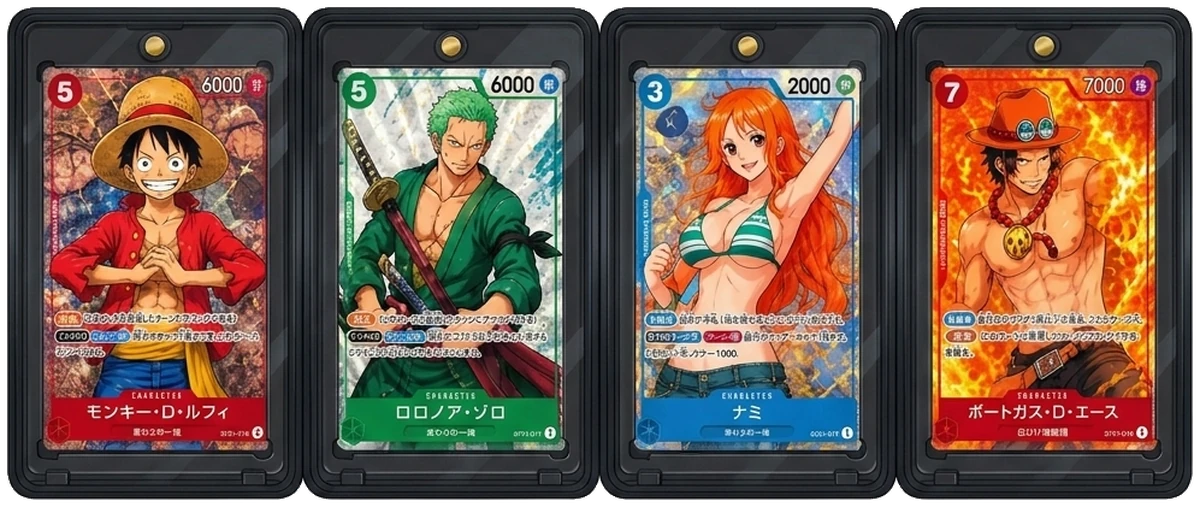
Rare One Piece Zoro card: the Japanese versions collectors should target
Rare One Piece Zoro cards: which Japanese versions to target (Leaders, AA parallels, SR), what condition to demand and how to buy safely.
Published on November 13, 20268 min read
Key points
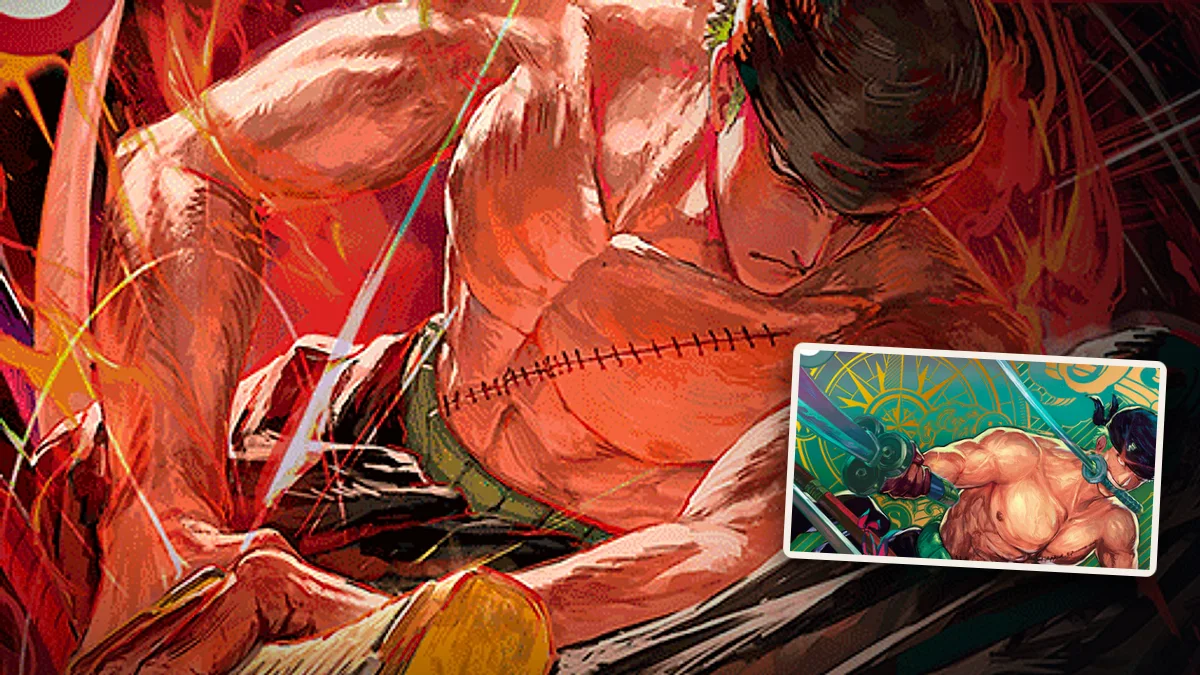
- For collectors, the most sought-after Zoro cards in the One Piece Card Game are usually the parallel versions (alternate art, AA) of his Leader and SR cards.
- A parallel card keeps the same code and the same effect as the regular version: only the artwork changes, and it is pulled far less often from boosters.
- Japanese One Piece cards are released first and are the original version of the game; at equal rarity they can be more affordable than English ones, to be checked card by card.
- To get one specific Zoro card, buying singles is the only reliable method: a Japanese display of 24 boosters with 6 cards each guarantees no particular card.
You are looking for a rare One Piece Zoro card and you keep running into dozens of versions of the same character: Leaders, SRs, parallels, promos, codes that look alike. Roronoa Zoro is one of the most printed and most wanted characters in the One Piece Card Game, and that is exactly what makes choosing hard. Not all of his cards are equal for a collector, and the Japanese version adds vocabulary you should master before you buy.
The short answer: the Zoro cards that matter are first the alternate art versions (parallels, marked AA) of his Leader and SR cards, especially those from the earliest sets such as OP01, followed by SP versions and some promos. This guide shows you how to recognise these versions, how to compare them, how to read the condition grades used by Japanese shops, and why buying the exact card as a single beats hunting for it in boosters.
Frequently asked questions
What is the rarest Zoro card in the One Piece Card Game?
There is no fixed answer: rarity depends on the version, and demand shifts as new sets come out. Generally, SPs, certain promos and parallels of historic Leaders and SRs, such as OP01-001 or OP01-025, are among the most sought after. Always check current availability before drawing conclusions.
How do I recognise a Zoro parallel?
Compare the printed code with the regular version: same code, different artwork, it is a parallel. It often features extended artwork and a shinier finish. On our site, every alternate art is labelled and photographed.
Can I play a Japanese Zoro at tournaments in Europe?
Among friends, no problem as long as everyone knows the card's effect. For official English-format tournaments, English cards are generally required. Always read the event rules before building your deck.
Should I get my rare Zoro card graded?
It mainly makes sense for an A condition card with no visible flaws that you plan to keep for a long time. A grade is never guaranteed, and grading involves cost and waiting time. If the card is already graded, a PSA slab compatible frame lets you display it as it is.