One Piece Sanji card: which Japanese versions to target first
Common, SR, SEC or parallel: which Japanese Sanji cards to buy for your budget, and how to check version and condition before ordering.
Published on November 13, 20266 min read
Key points
- Sanji has appeared in the One Piece Card Game since OP01, as commons, R, SR, SEC, parallels and promos, and a single card code can have several alternate art variants.
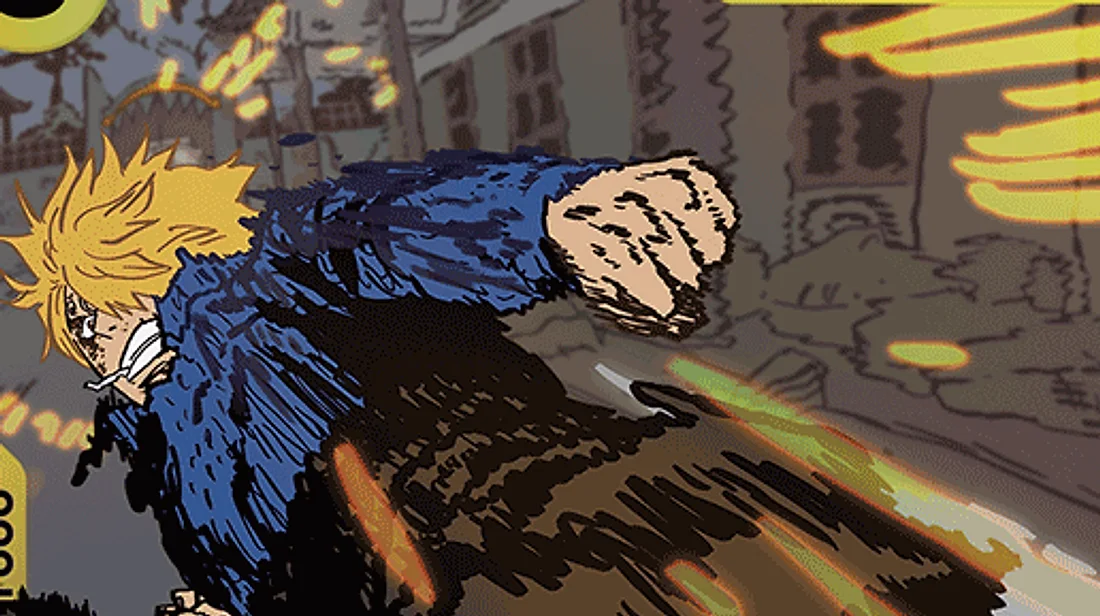
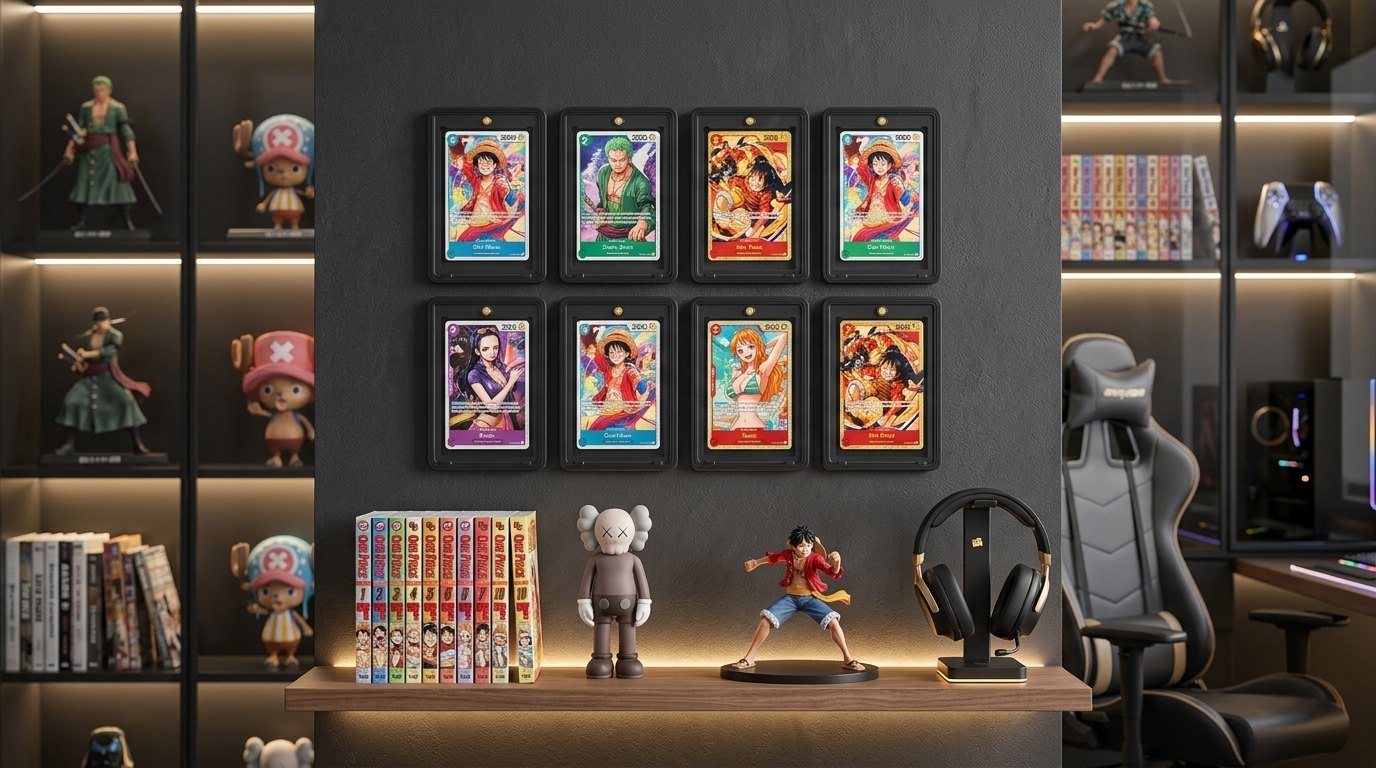
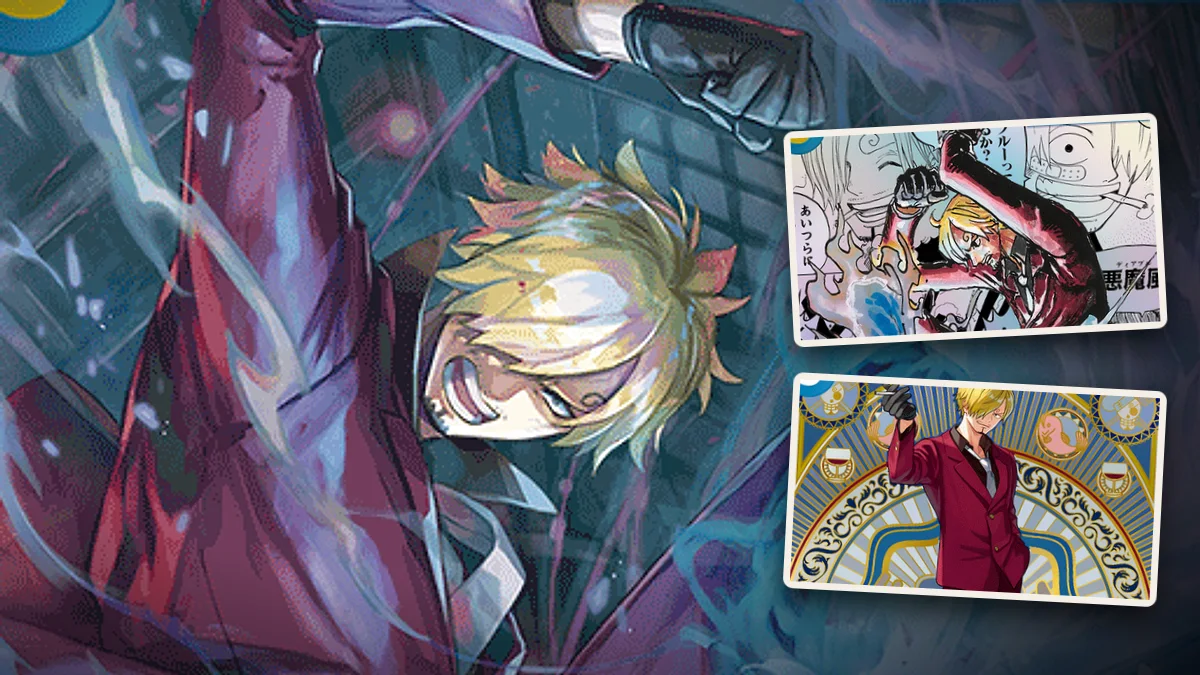
- To play Sanji, a base Japanese version is enough; to display him, the parallel or the SEC carries almost all of the visual appeal.
- A parallel shares the same code as the regular card, so only the photo and the variant label prove which version you are actually buying.
- For a Sanji card going into a frame, condition A or A- is recommended, because even small marks show behind glass.
You are looking for a One Piece Sanji card and suddenly face dozens of versions: commons, SR, SEC, parallels, promos, cards from the EB extra boosters. The Straw Hat cook is one of the most printed characters in the One Piece Card Game since the very first set, OP01, and almost every new release adds another illustration. The result is that it is easy to overpay for a common version, or to miss the one that would truly stand out in a binder or a frame.
Our answer is clear: to play, a Japanese common or R is enough; to collect, focus first on the parallels (alternate arts) and the SEC, checking the exact variant and condition before you order. This guide covers the rarities you need to know, a table to choose according to your goal, the codes worth targeting, how to recognise a genuine parallel, the right condition to aim for and the best way to display your Sanji.
Frequently asked questions
What is the rarest Japanese Sanji card?
SEC cards and alternate art versions are the rarest. Among the Sanji cards in our stock, the OP06-119 SEC in alternate art has the highest rarity. SP cards and some promos are also uncommon in circulation.
Does a Sanji parallel have the same code as the regular card?
Yes, the parallel keeps the code and effects of the base card, only the illustration and the finish change. That is why you should always check the photo and the variant label before buying.
Can you play with Japanese Sanji cards?
Yes, they have the same effects as their equivalents in other languages and are perfect for casual games. For an official tournament, check the event rules regarding which card languages are allowed.
Should you get a Sanji card graded?
It is not required: a sleeve and a one-touch frame already protect a displayed card very well. Grading can make sense for a SEC or a parallel in condition A that you plan to keep for a long time, and our PSA slab compatible frame at €34.80 lets you display it afterwards.