Rare Luffy One Piece cards: which Japanese versions to target by budget
Rare Luffy cards in Japanese: which SEC, SP and parallel versions to target for your budget, and how to check condition before buying.
Published on November 13, 20268 min read
Key points
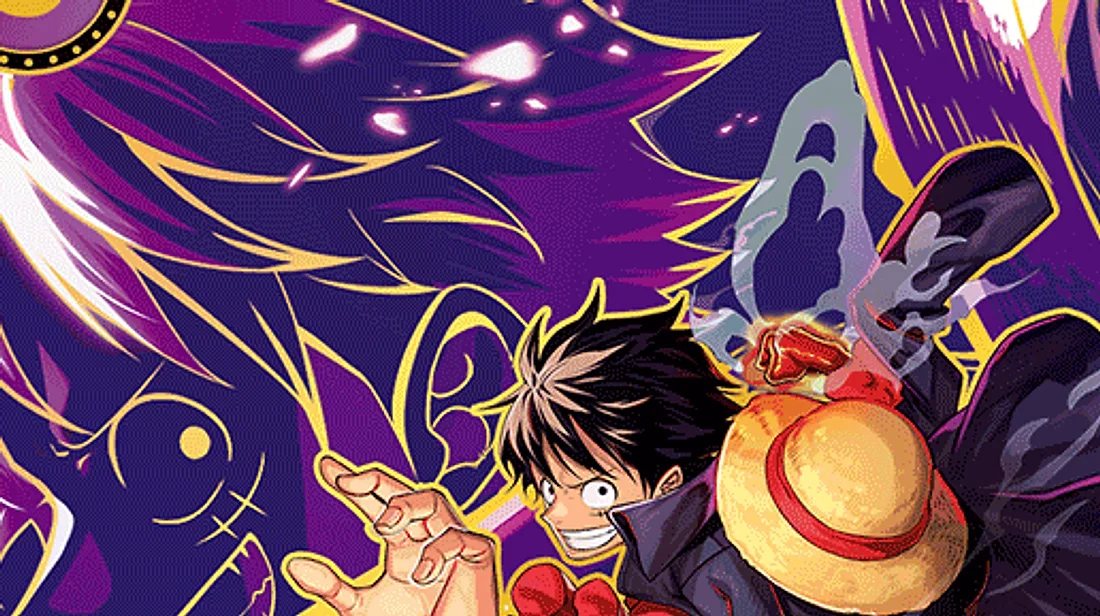
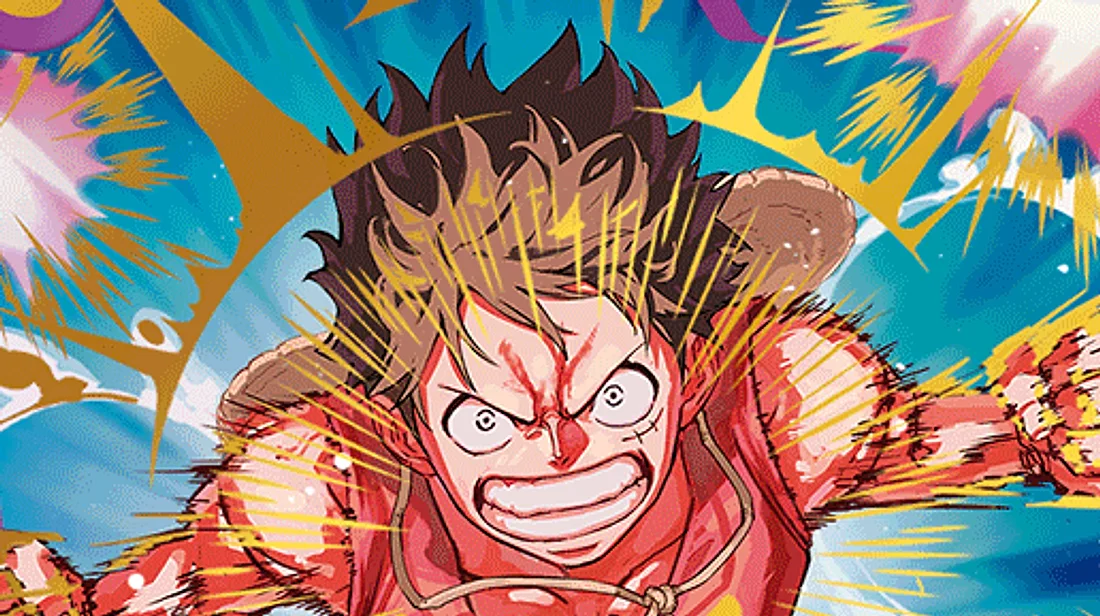
- The most sought-after Luffy cards in the Japanese One Piece Card Game are the SEC (secret rare) cards, their parallel alternate-art versions and the SP cards, well above R, SR and Leader cards.
- On a small budget, a Luffy SR, a Luffy Leader or a standard SEC in B condition gives you a genuine collector's Luffy without chasing parallel versions.
- A parallel version keeps the same code as the standard SEC but carries a rarer alternate illustration, which usually places it at the very top of the price range.
- Before buying a rare Luffy card, check the exact code (for example OP11-118), the printed rarity, whether it is standard or parallel, and the stated condition (A, A-, B or C).
You want a rare One Piece card of Luffy, but between SEC, SP, parallel versions and dozens of set codes, it is hard to know which one deserves your budget. Luffy is the most printed character in the game: he appears as a Leader, as a Character, in starter decks and in boosters alike, and that abundance blurs the picture. Not all of his cards are equal, and the rarest one is not necessarily the right one for you.
Our answer is clear: in Japanese, target a standard SEC in good condition if your budget allows, a parallel or an SP if you want a centrepiece, and an SR or a Leader if you are just starting. This guide ranks the rarities, explains why Japanese is the smart choice from Europe, then walks through each budget level, the cards to target and the checks to make before you order.
Frequently asked questions
What is the rarest Luffy card in the One Piece Card Game?
There is no single answer: the rarest are generally the parallel versions of SEC cards, SP cards and some limited promotional cards. Rarity combines the printed rarity and the version. A parallel Luffy SEC almost always sits at the top.
Is a Japanese Luffy card cheaper than an English one?
Often, because the Japanese market is deeper and more copies circulate there, but it varies by card and over time. Always compare copies in the same condition. Import and shipping costs also count in the final price.
How can I recognise a parallel version of a Luffy card?
A parallel keeps the same code and rarity as the standard card but carries an alternate illustration, often wider or more detailed. Compare it with the image of the standard version. In our catalogue it is labelled as an alternate illustration.
Should I get a rare Luffy card graded?
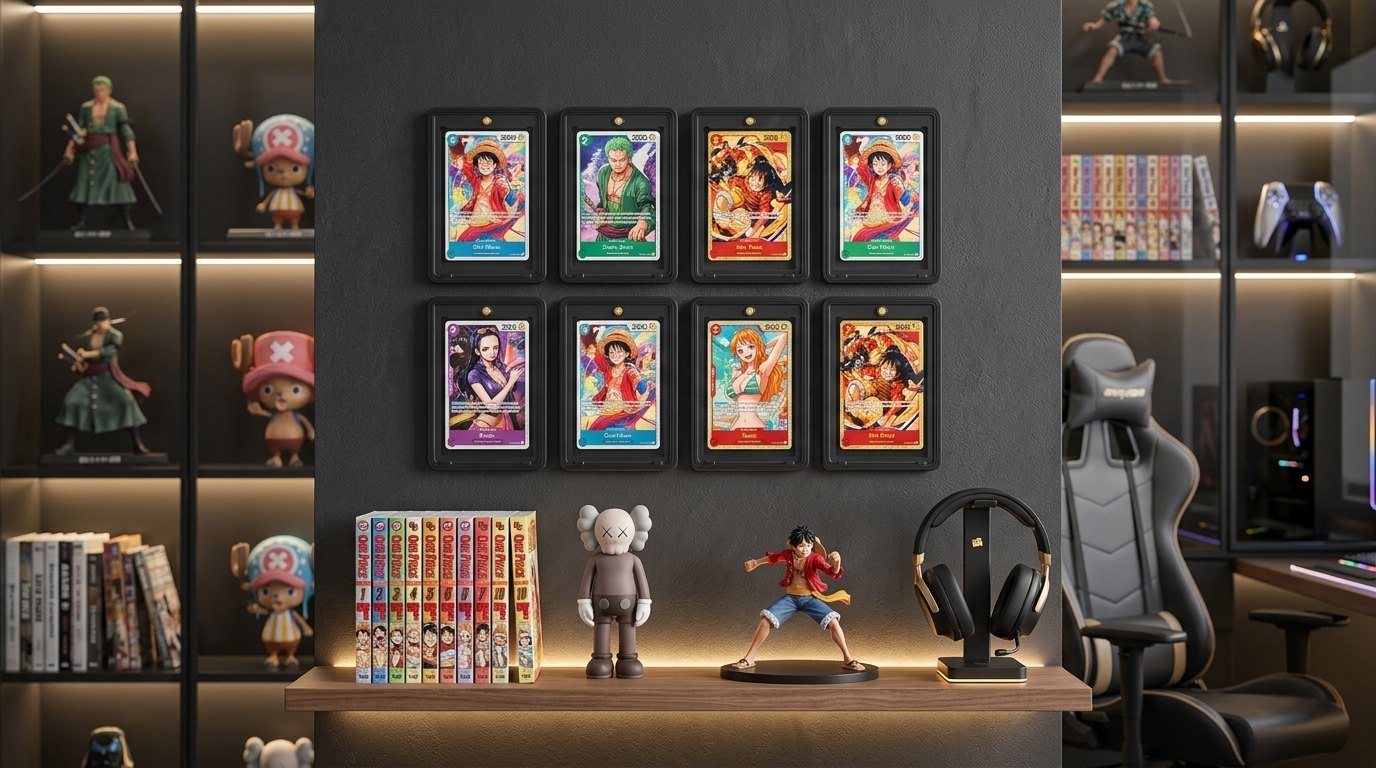
It is not necessary. Grading makes sense for an A condition card you want to keep long term, much less for a B condition card. If you do have it graded, our PSA slab compatible frame lets you display it in its case.