Rare One Piece Nami cards: which Japanese versions to go for
Rare One Piece Nami cards: which Japanese versions to target (SEC, parallels, SP, promos), how to identify them and which ones to buy first.
Published on November 13, 20267 min read

Key points
- A One Piece Nami card's rarity is read in two places: the printed rarity (SR, SEC, SP, P) and the version. A parallel keeps the same code as the standard card but changes the artwork and finish.
- For a first purchase, an alternate art Nami offers the best balance between rarity, recognition and budget. A parallel SEC remains the centrepiece.
- For a Japanese Nami bought for collecting, aim for condition A (near mint) or A- (very good). Condition B is mainly suited to play.
- To get a specific Nami, buying the single is safer than opening a display: a Japanese display of 24 boosters of 6 cards guarantees no particular card.
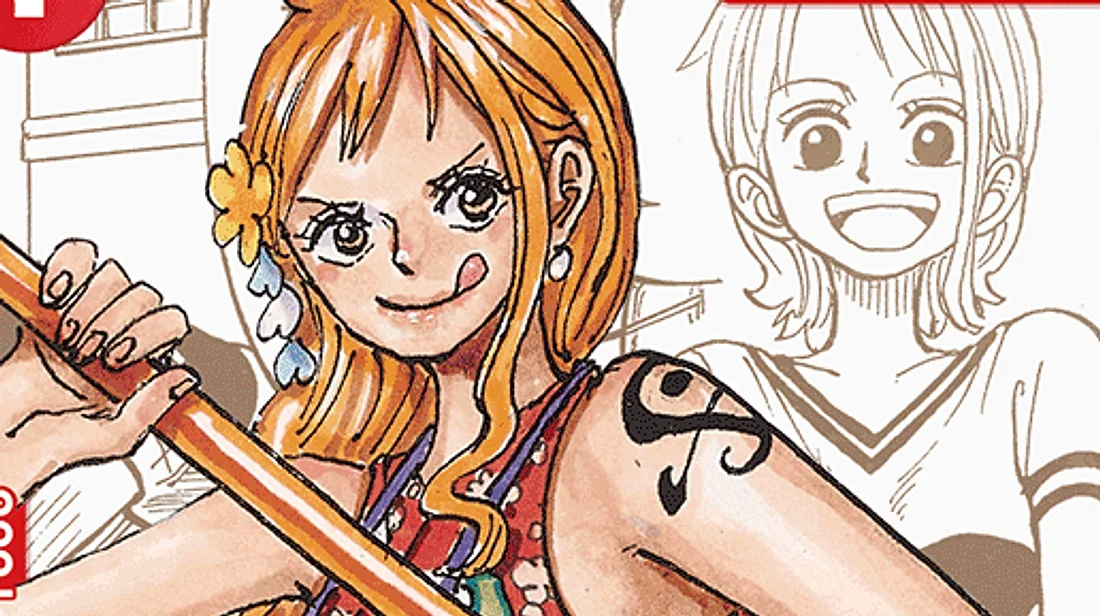
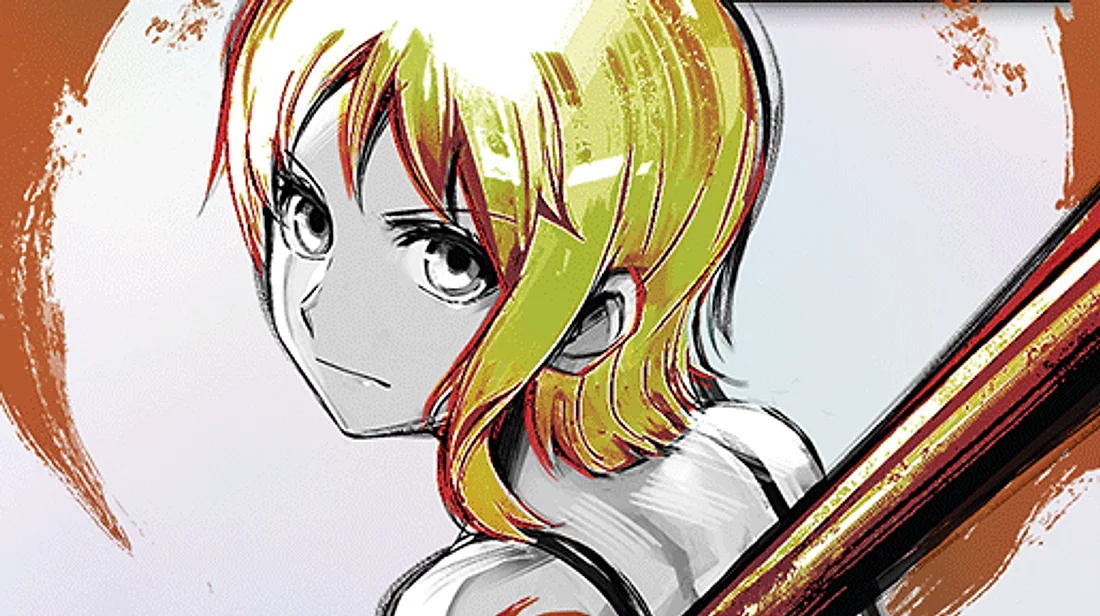
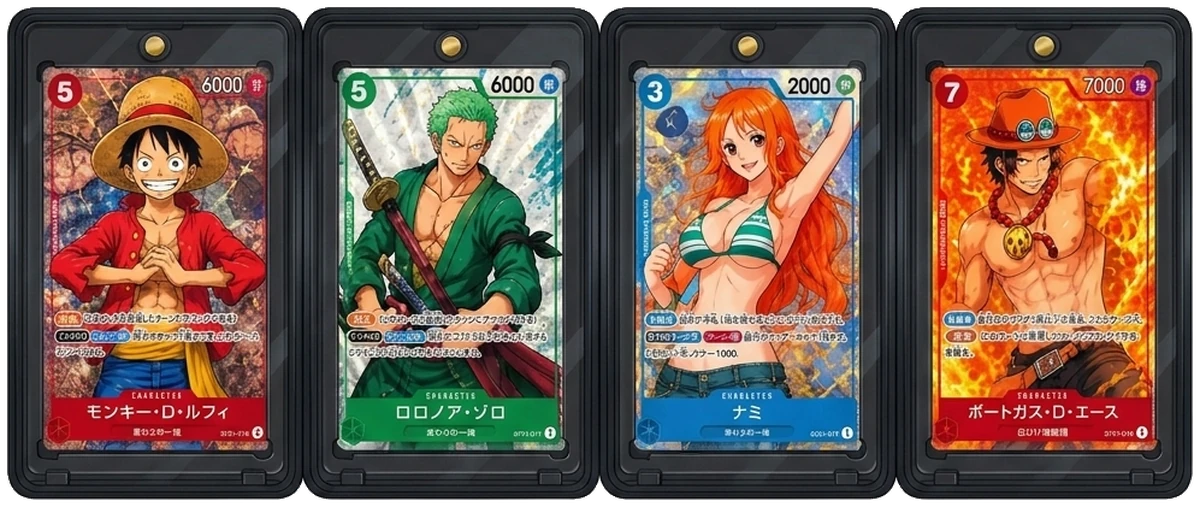
You are looking for a rare One Piece Nami card and you land in a jungle of codes: SEC, AA, parallel, SP, promo, suffixes like _p1 or _p3. Nami is one of the most illustrated characters in the One Piece Card Game. The same card often exists in several versions, and comparing them quickly gets confusing, especially when you buy Japanese cards from Europe without reading the listings.
The short answer: start with an alternate art (parallel) of an iconic card. Move up to a SEC if your budget allows, and keep SP and limited promos for a deliberate collecting goal. This guide gives you the rarity hierarchy, a method to recognise each version, the condition to insist on, the best way to get the card and how to protect it once it arrives.
In this article
- 1. Which Nami cards are actually rare?
- 2. Parallel, alternate art, SP: how do you tell them apart?
- 3. Which Nami should you prioritise for your budget?
- 4. Should you choose a Japanese Nami over an English one?
- 5. What condition should you insist on for a rare Nami?
- 6. Singles, display or Mystery Box: which route gets you a Nami?
Frequently asked questions
What is the rarest Nami card in the One Piece Card Game?
The rarest Nami cards are parallel SECs, SP cards and some promos released in limited quantities. Among our cards in stock, the Nami SEC EB05-061 in alternate art (EB05-061_p1) sits highest. A promo's rarity depends on how it was distributed, which you should check card by card.
What is the difference between an AA Nami and a parallel Nami?
Essentially none: AA stands for alternate art, which is what is also called a parallel. The card keeps the same code as the standard version, with different artwork and a different finish.
How can you tell if a parallel Nami is genuine?
Compare it with a reference card: print sharpness, Japanese font, code position and foil effect. A price far below other listings is a warning sign. Buying from a seller who states the card's condition and origin greatly reduces the risk.
Should you get a rare Nami graded?
Grading makes sense for a SEC or parallel in condition A that you plan to keep for a long time or resell one day. For a card meant to be displayed at home, a good frame is often enough. If you do grade, our PSA slab compatible frame holds the case.